
Best Bitcoin Wallets 2026: Trezor vs Ledger vs Ellipal (Secure Your BTC)
If you’re serious about Bitcoin in 2026, one thing matters more than price predictions: how you store it.
Every cycle, we see the same mistake—people leave funds on exchanges, trust third parties, and learn the hard way why self custody matters. The reality is simple: if you don’t control your keys, you don’t control your Bitcoin.
That’s where choosing the right bitcoin wallet becomes critical.
In this guide, we break down the best bitcoin wallets in 2026, focusing on the three leaders in hardware security: Trezor, Ledger, and Ellipal. These wallets dominate for one reason—they offer true ownership through cold storage, advanced security, and long-term reliability.
We’ll also cover wallet types, software alternatives, and how to choose the right setup—whether you’re holding long-term or actively using BTC.
Table of Contents
⚠️ Before You Choose a Wallet (Read This First)
Before selecting a wallet, it’s important to understand how Bitcoin ownership actually works.
A wallet doesn’t store your Bitcoin—it stores your private keys, which give you control over your funds.
If you’re new to this concept:
👉 Read first: → Bitcoin Self-Custody Guide
This will help you avoid common mistakes like:
- trusting third parties unnecessarily
- losing access to your funds
- misunderstanding recovery phrases
Best Bitcoin Wallets by User Type
Not all wallets are suited for the same type of user. Here’s a quick breakdown to help you choose:
| User Type | Best Choice | Why |
|---|---|---|
| Beginner | Hardware wallet (Ledger / Trezor) | Easy setup + strong security |
| Max security | Air-gapped wallet (Ellipal) | Fully offline protection |
| Bitcoin-only user | Trezor (Bitcoin-focused setup) | Simplicity + open-source |
| Multi-coin user | Ledger | Supports many cryptocurrencies |
| Privacy-focused | Trezor + Bitcoin-only firmware | More control + transparency |
| Advanced user | Multisig setup | Highest level of security |
Wallet Types Explained (Quick Overview)
Understanding wallet types helps you make better decisions.
- Hot Wallet: Connected to the internet, easier to use but less secure
- Cold Wallet: Offline storage, more secure for long-term holding
- Multisig Wallet: Requires multiple approvals to access funds
👉 Learn more:
- Hot vs Cold Wallets → see glossary
- Multisig Explained → see glossary
How This Guide Fits Your Bitcoin Journey
This page helps you choose a wallet, but it’s part of a bigger process.
👉 Recommended path:
- → Buy Bitcoin safely → /bitcoin/how-to-buy-bitcoin
- → Choose your wallet → (this page)
- → Learn self-custody → /bitcoin/bitcoin-self-custody
- → Practice sending & receiving → /bitcoin/how-to-send-and-receive-bitcoin
Common Mistakes When Choosing a Wallet
Even good wallets can be used incorrectly.
Avoid:
- buying hardware wallets from unofficial sources
- choosing convenience over security
- not backing up your recovery phrase
- storing large amounts in hot wallets
Wallet Types Explained: Hot vs Cold Storage
Before choosing the best bitcoin wallet, you need to understand the difference between wallet types.
Hot Wallets (Convenient but Risky)

A hot wallet is connected to the internet. Examples include:
- Phoenix Wallet (Lightning)
- Electrum
- Mobile apps
- Exchange wallets
These wallets are easy to use and perfect for small amounts or daily transactions. But they are also more vulnerable to hacks, malware, and phishing.
If you’re holding serious Bitcoin, a hot bitcoin wallet alone is not enough.
Cold Wallets (Maximum Security)
Cold storage means your private keys never touch the internet.
This is where hardware wallet solutions like Trezor, Ledger, and Ellipal come in. A hardware wallet stores your keys offline, making it extremely difficult for attackers to access your funds.
For long-term holders, a hardware bitcoin wallet is essential.
Multisig Wallets (Advanced Setup)
For higher security, some users use multisig, where multiple devices must approve a transaction.
Example:
- 2-of-3 setup using Trezor + Coldcard + Sparrow
Multisig adds redundancy and removes single points of failure—but it requires more setup and knowledge.
Top Hardware Wallets in 2026
Here are the three best hardware wallet options dominating 2026.
1. Trezor Safe 3 / Model T (Best Open-Source Bitcoin Wallet)
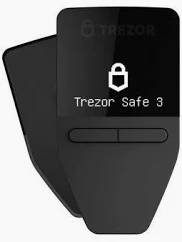
Trezor remains one of the most trusted names in the bitcoin wallet space, especially for users who value transparency.
Key Features:
- Fully open-source firmware
- Shamir backup support
- Color touchscreen (Model T / Safe 5)
- Strong Bitcoin-first ecosystem
- Compatible with Sparrow and Electrum
Why choose Trezor?
Trezor is built for users who prioritize self custody and verifiability. Unlike competitors, its code is publicly auditable, reducing hidden risks.
It also integrates well with multisig setups, making it a favorite among advanced Bitcoin users.
Pros:
- Open-source security model
- Strong community trust
- Great for multisig setups
- Bitcoin-focused features
Cons:
- No Bluetooth or mobile-native experience
- Limited altcoin focus
Price: ~$150
If your goal is maximum transparency in a hardware bitcoin wallet, Trezor is hard to beat.
2. Ledger Nano X / Ledger Flex (Best Versatile Wallet)
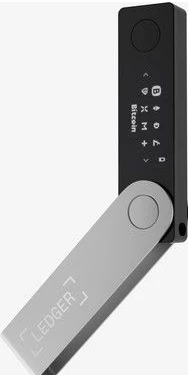
Ledger is the most widely used hardware wallet globally, offering flexibility and a polished user experience.
Key Features:
- Supports 5,500+ assets
- Bluetooth connectivity (Nano X)
- Ledger Live app ecosystem
- Secure element chip
- New devices like Ledger Flex with improved UX
Why choose Ledger?
Ledger is ideal for users who want both Bitcoin and altcoins in one wallet. Its mobile-friendly experience makes it easy to manage assets on the go.
However, Ledger has faced criticism over its optional recovery service, which sparked debate around privacy and self custody.
Pros:
- Best all-in-one bitcoin wallet and crypto wallet
- Easy mobile use
- Strong ecosystem
Cons:
- Closed-source components
- Past controversy around recovery features
Price: ~$150–$250
If you want versatility and convenience in a hardware wallet, Ledger is a top choice.
3. Ellipal Titan (Best Air-Gapped Cold Wallet)
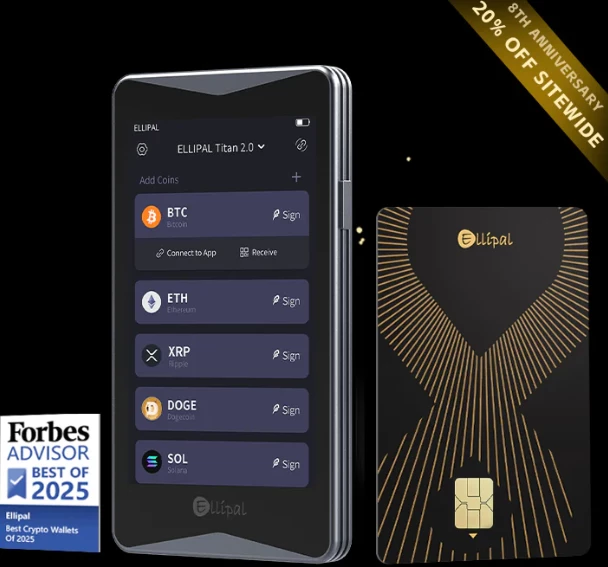
Ellipal takes a different approach to the bitcoin wallet—complete isolation.
Key Features:
- Fully air-gapped (no USB, no Bluetooth)
- QR code transaction signing
- Solid metal body
- Tamper-resistant design
- Supports multiple assets
Why choose Ellipal Titan?
The Ellipal Titan is designed for extreme cold storage. It never connects directly to a network, making remote attacks nearly impossible.
Transactions are signed using QR codes, keeping your private keys completely offline.
Pros:
- True air-gapped security
- Durable hardware design
- No physical attack vectors via cable
Cons:
- Bulkier than other wallets
- Slower transaction workflow
Price: ~$170
If your priority is maximum isolation in a cold wallet, Ellipal is one of the strongest options.
Check out EllipalSoftware Wallet Alternatives
Not everyone needs a hardware bitcoin wallet for every use case.
Here are strong software options:
Electrum / Sparrow (Desktop)
These are powerful tools for advanced users:
- Full control over fees
- Works with hardware wallet setups
- Ideal for multisig
Sparrow is especially popular for pairing with Trezor or Coldcard.
Phoenix Wallet (Lightning)
Phoenix is a mobile bitcoin wallet designed for Lightning payments:
- Instant transactions
- Low fees
- Beginner-friendly
However, it is still a hot wallet, so it’s not ideal for large holdings.
Coldcard (Bitcoin Maximalist Choice)
Coldcard is another hardware wallet focused purely on Bitcoin:
- Advanced air-gapped features
- PSBT workflows
- Strong multisig support
Often used alongside Trezor in multisig setups.
Hardware Wallet Comparison
| Wallet | Security Model | Price | Coins Supported | Best For |
|---|---|---|---|---|
| Trezor | Open-source | $150 | BTC + limited | Transparency |
| Ledger | Secure element | $150+ | 5,500+ | Versatility |
| Ellipal | Air-gapped | $170 | Multi-asset | Offline security |
Each bitcoin wallet here serves a different type of user—but all provide strong cold storage security.
How to Choose the Right Bitcoin Wallet
Choosing the best bitcoin wallet depends on your goals.
For long-term holders:
- Use a hardware wallet (Trezor or Ellipal)
- Store your seed phrase offline
- Consider cold storage setups
For active users:
- Combine a hardware wallet with a hot bitcoin wallet
- Use Phoenix for Lightning
- Keep only small balances online
Golden Rules of Self Custody:
- Never share your seed phrase
- Always verify addresses
- Backup securely (metal plates recommended)
- Avoid keeping funds on exchanges
Your bitcoin wallet is your bank—treat it that way.
Final Thoughts
In 2026, the best bitcoin wallets are clear: Trezor, Ledger, and Ellipal.
Each offers a different balance of security, usability, and control—but all support what matters most: true self custody.
If you’re serious about Bitcoin, moving to a hardware wallet isn’t optional—it’s essential.
FAQ
What is the safest bitcoin wallet in 2026?
Hardware wallets like Trezor, Ledger, and Ellipal are considered the safest options due to cold storage and offline key protection.
Is Ledger or Trezor better?
Trezor is better for open-source transparency, while Ledger offers more features and asset support.
What is a cold wallet?
A cold wallet is a bitcoin wallet that stores private keys offline, reducing the risk of hacking.
Do I need a hardware wallet for Bitcoin?
If you hold significant Bitcoin, a hardware wallet is highly recommended for security and self custody.