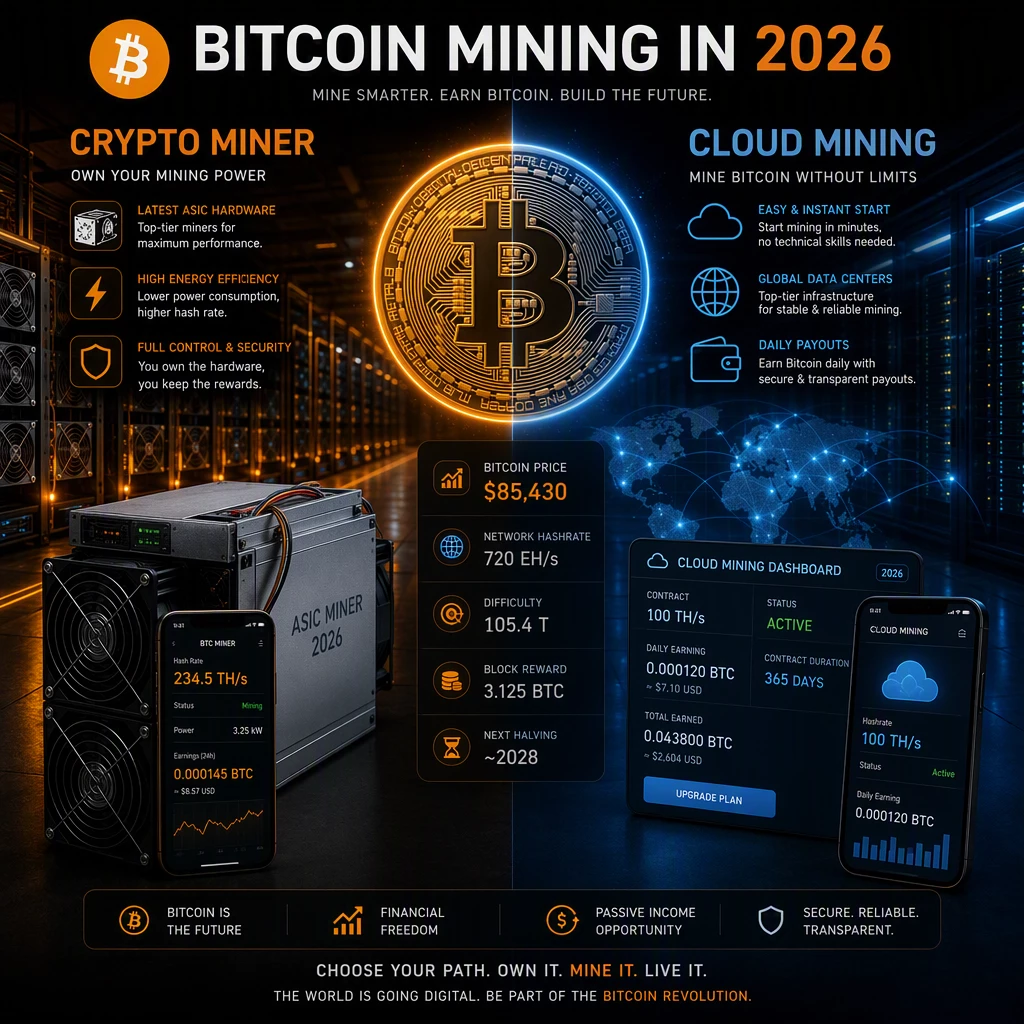
Bitcoin mining in 2026 depends on efficient hardware, dependable electricity, network difficulty, and disciplined risk controls. This guide compares a Crypto Miner, pool operations, solo mining, and Cloud Mining while explaining rewards, fees, security, and realistic profitability.
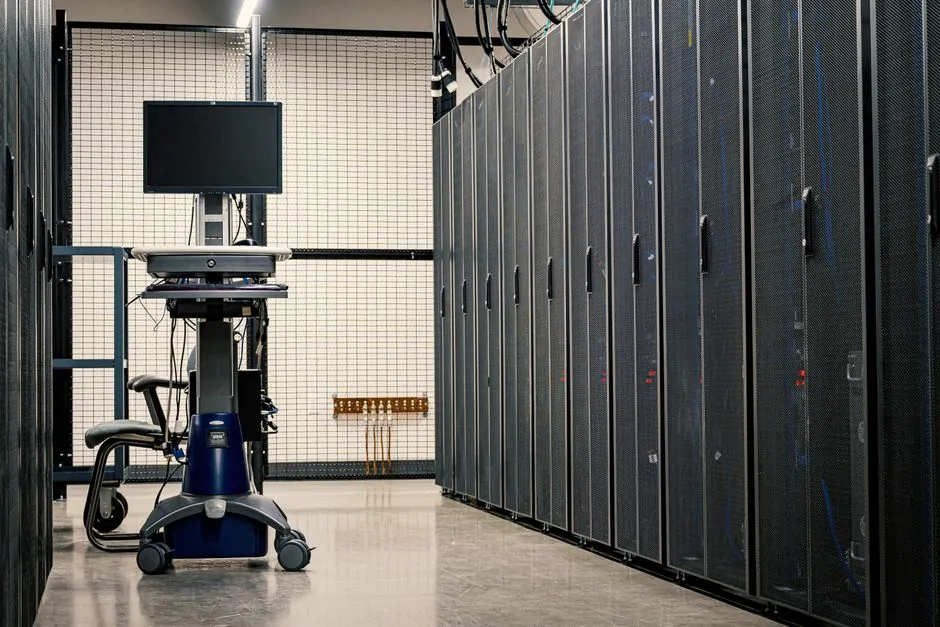
Modern Bitcoin mining facility showing ASIC servers, cooling systems, electricity meters, and monitoring screens
The Essential Bitcoin Mining 2026 Landscape: Rewards, Risks, and Real Costs
The essential Bitcoin Mining landscape combines competitive hashing power with volatile Bitcoin prices, changing fees, and substantial energy consumption. Calculate hardware, hosting, repairs, taxes, and downtime before treating cryptocurrency rewards as income.

Infographic comparing Bitcoin rewards, electricity costs, hardware investment, operational risks, and net mining returns
How Bitcoin mining works for a modern Crypto Miner
How Bitcoin mining works begins when a Crypto Miner receives candidate transactions, builds a block, and repeatedly changes a nonce until its hash satisfies network difficulty. Nodes then perform transaction verification before accepting the proof-of-work blockchains result.
Bitcoin block reward changes every Crypto Miner should understand
Bitcoin block reward changes through programmed halvings. The 2024 Bitcoin halving reduced the subsidy to 3.125 BTC per block, and future halvings will continue lowering newly issued Bitcoin. Miners therefore increasingly depend on fees and efficiency.
Transaction fees and Mining earnings behind each payout
Transaction fees supplement the block reward and vary with demand for block space. A miner’s Bitcoin rewards depend on successfully mining a block, while pool payouts usually distribute expected earnings according to contributed hashing power and share quality.
What drives Bitcoin mining profitability in 2026?
What drives Bitcoin mining profitability includes Bitcoin’s market price, network difficulty, machine efficiency, uptime, pool charges, taxes, and electricity. Use conservative price assumptions and stress-test profitability against a 20% price decline or higher difficulty.
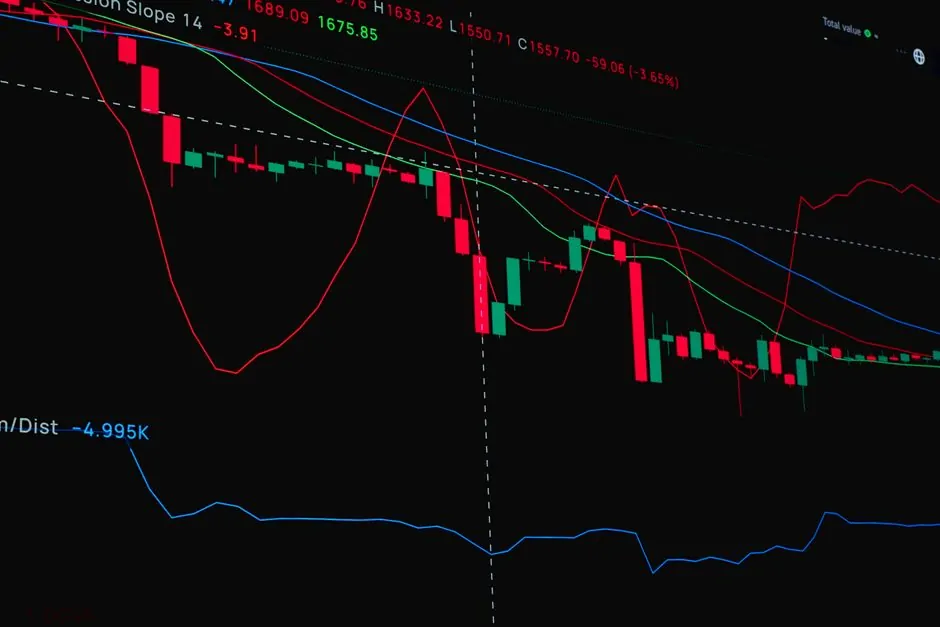
Profitability dashboard displaying Bitcoin price, network difficulty, machine efficiency, power rate, and payout scenarios
Transaction fees and Mining earnings behind each payout
Electricity costs shape Bitcoin mining profitability because power is usually the largest recurring expense for a Crypto Miner. An ASIC rated at 3,500 watts running continuously consumes about 84 kilowatt-hours per day, or roughly 2,520 kWh per month, before cooling and facility overhead. At $0.05 per kWh, that is about $126 monthly; at $0.12, it is approximately $302, and the difference can erase the expected Bitcoin rewards from the same hashing power. A realistic calculation should add ventilation, networking, repairs, pool fees, hosting charges, taxes, and downtime.
Efficiency matters as much as the electricity rate: a newer machine producing more terahashes per joule can remain viable after a difficulty increase, while an older ASIC may become unprofitable even when Bitcoin’s price rises modestly. Compare the machine’s daily revenue with its complete daily operating cost, and stress-test the result against higher rates, warmer weather, reduced uptime, and changes in transaction fees. Cheap, stable power and reliable cooling often determine whether mining is a business or an expensive experiment.
Documentation for estimating Mining earnings before launch
Documentation for estimating Mining earnings before launch should combine technical specifications, financial assumptions, and evidence from the intended operating environment. Record each ASIC’s hashrate, power draw, efficiency in joules per terahash, purchase price, shipping, installation cost, expected uptime, and warranty terms. Then document the electricity tariff, demand charges, cooling load, hosting fee, pool fee, maintenance allowance, and payment schedule.
A current profitability model should reference Bitcoin’s market price, network difficulty, total network Hashrate, block reward, transaction fees, and the miner’s pool payout method; these inputs can change daily. Show both gross Bitcoin rewards and net cash flow, including depreciation and the expected effect of a Bitcoin halving. Use conservative, base, and optimistic scenarios rather than relying on a single calculator result, and state the date and source of every assumption. Keep invoices, firmware versions, meter readings, pool statements, and transaction history so projected performance can be compared with actual results. This documentation also helps identify unrealistic Cloud Mining promises and supports informed decisions about hardware, financing, and shutdown thresholds.
Choosing Mining hardware for Bitcoin Mining without costly mistakes
Choosing Mining hardware requires comparing joules per terahash, purchase price, warranty, firmware quality, noise, heat, and expected service life. A new ASIC may outperform older equipment, but shipping, customs, installation, and transformer capacity can change the calculation.
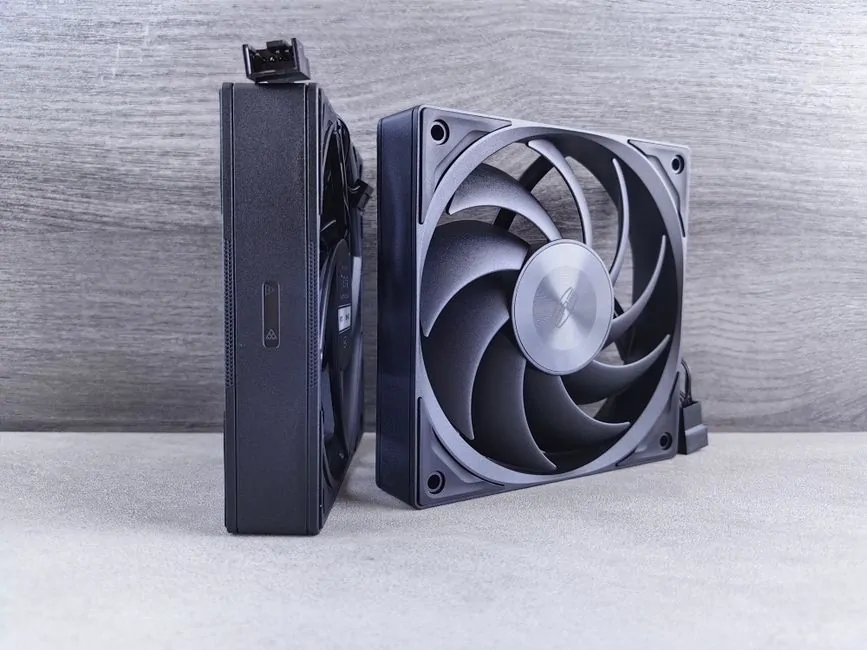
Side-by-side comparison of ASIC miners showing efficiency ratings, noise levels, prices, warranties, and cooling requirements
Proven Mining hardware for efficient Bitcoin mining
Proven Mining hardware generally means current-generation ASICs designed specifically for Bitcoin’s SHA-256 algorithm. Compare manufacturer specifications with independent field data, verify power draw at the wall, and confirm that the facility can safely support continuous load.
Transaction fees and Mining earnings behind each payout
CPU mining is useful for learning wallets, node software, and basic concepts, but it is not competitive for Bitcoin. Specialized ASICs deliver vastly greater hashrate and efficiency, although they require dedicated power, ventilation, firmware management, and noise tolerance.
Device security checks before powering new equipment
Device security checks should include authentic firmware, changed default credentials, restricted management interfaces, updated routers, segmented networks, and read-only monitoring access. Record serial numbers and back up configuration data without exposing wallet seeds or passwords.
How Mining risks change with a Crypto Miner investment
How Mining risks change with a Crypto Miner investment depends on capital concentration, resale liquidity, hosting reliability, and market volatility. Treat projected returns as estimates, maintain a repair reserve, and avoid borrowing against uncertain Bitcoin revenue.
Mining risks from heat, noise, downtime, and resale value
Mining risks include sustained heat, industrial noise, dust, fan failure, voltage interruptions, and declining resale value. Temperature sensors, filtered airflow, scheduled cleaning, spare fans, and service-level agreements can reduce downtime, but no setup eliminates operational losses.
Electricity costs that shape Bitcoin mining profitability
Contribution records reveal dependable equipment performance by tracking accepted shares, rejected shares, uptime, temperature, power consumption, and payout history. Compare daily results with expected hashrate rather than relying only on vendor claims or User Reviews.
Cloud Mining or Solo mining: Which route fits your 2026 plan?
Cloud Mining avoids direct hardware ownership but introduces counterparty, contract, pricing, and withdrawal risks. Solo mining offers full control but extremely irregular outcomes; pool mining provides steadier distributions. Compare verifiable infrastructure, fees, contract terms, and custody arrangements.
The honest case for Cloud Mining contracts
The honest case for Cloud Mining contracts is convenience rather than guaranteed profit. A credible provider discloses machine models, power costs, maintenance deductions, contract duration, payout rules, and legal identity. Calculate the break-even Bitcoin price before depositing funds.
Mining scams hidden behind guaranteed Cloud Mining returns
Mining scams often advertise guaranteed Cloud Mining returns, fixed daily percentages, or risk-free Bitcoin income. Real mining revenue fluctuates with price, difficulty, fees, outages, and maintenance. Refuse pressure tactics and independently verify facility evidence.
Electricity costs that shape Bitcoin mining profitability
Wallet scams targeting Cloud Mining payouts may request a fake release fee, seed phrase, remote-access installation, or identity payment. Use a hardware wallet, verify addresses on a trusted device, and remember that legitimate payouts do not require surrendering private keys.
What drives Bitcoin mining profitability in 2026?
Solo mining can produce the entire Bitcoin block reward but has highly variable timing, while pool mining shares results among participants. The choice depends on scale, tolerance for variance, technical skill, and whether predictable cash flow matters.
Diagram contrasting solo mining’s rare full reward with pool mining’s frequent proportional payouts
Electricity costs that shape Bitcoin mining profitability
getwork RPC supplied older miners with simplified work packages, whereas the getblocktemplate RPC lets software construct current templates containing transactions, a merkle root, and a coinbase transaction. Modern miners generally use pool protocols that manage this coordination.
Documentation for estimating Mining earnings before launch
Documentation for connecting Solo mining to a pool should explain Bitcoin Core configuration, Stratum endpoints, worker credentials, firewall rules, wallet payout addresses, and log interpretation. Test with a small device before expanding and never expose RPC ports publicly.
Pool mining, Bitcoin mining profitability, and payout reality
Pool mining smooths Bitcoin mining profitability by paying for valid contributed work rather than waiting for one complete block. Compare PPS, FPPS, and PPLNS models, then subtract pool fees, electricity, taxes, conversion costs, and rejected shares.

Mining pool interface showing worker hashrate, accepted shares, fee deductions, and projected payout
What drives Bitcoin mining profitability in 2026?
How Pool mining turns hash rate into Mining earnings involves measuring valid shares as statistical evidence of work. A pool estimates each worker’s proportional entitlement, updates balances, and pays after a threshold, subject to fees, outages, and Bitcoin network conditions.
Electricity costs that shape Bitcoin mining profitability
Transaction fees included in Pool mining payouts depend on the pool’s accounting method and the transactions selected in mined blocks. Read whether quoted rewards include fees, examine payout statements, and compare effective returns rather than advertised gross amounts.
Documentation for estimating Mining earnings before launch
Electricity costs measured against Bitcoin mining profitability should use the all-in rate, including demand charges, taxes, hosting margins, and cooling overhead. Multiply watts by operating hours, divide by one thousand for kilowatt-hours, and compare the bill with expected daily revenue.
Can Solo mining ever deliver a meaningful Bitcoin block reward?
Can Solo mining ever deliver a meaningful Bitcoin block reward? Yes, but probability depends on personal hashrate divided by total network hashrate, making outcomes highly uncertain for small operators. Solo mining is usually a long-horizon experiment, not reliable monthly income.
Documentation for estimating Mining earnings before launch
CPU mining experiments can demonstrate hashing, nonce searches, and block construction, but Bitcoin’s ASIC-dominated network makes meaningful earnings impractical. Use testnet or regtest to learn safely, measure performance, and avoid confusing educational success with commercial profitability.
Contribution models that make Solo mining more transparent
Contribution models make Solo mining more transparent when participants document hashrate, expenses, ownership, payout rights, and failure procedures. Shared arrangements should define custody, accounting, dispute resolution, and how a rare block reward is divided.
App Support, Device security, and the newest Bitcoin scams
App Support and Device security matter when a mobile interface controls mining accounts, payouts, or alerts. A useful Mobile App should offer clear login protection, device notifications, withdrawal controls, and accessible records without pretending that phone software can replace specialized ASIC mining.
Secure mobile mining dashboard showing two-factor authentication, payout history, alerts, and device authorization controls
How reliable App Support protects a mobile Crypto Miner
How reliable App Support protects a mobile Crypto Miner is visible through response times, documented incidents, clear escalation, and accurate payout explanations. Support should never request a seed phrase, remote control, or irreversible transfer to investigate an account.
Documentation for estimating Mining earnings before launch
Device security essentials for a Bitcoin mining app include official app stores, biometric locking, two-factor authentication, operating-system updates, encrypted backups, and withdrawal allowlists. Review permissions carefully and avoid installing unofficial mining packages that may contain Ransomware.
Documentation and App Support signals of a trustworthy service
Documentation and App Support signals of a trustworthy service include named operators, transparent fees, uptime policies, audit information, privacy terms, and plain-language explanations of payout calculations. Data Safety disclosures should identify collection, retention, sharing, and deletion practices.
Bitcoin scams, Wallet scams, and Mining scams to avoid in 2026
Bitcoin scams, Wallet scams, and Mining scams commonly combine fake endorsements, cloned dashboards, urgency, and withdrawal barriers. Verify domains independently, inspect wallet addresses, question unrealistic returns, and remember that professional design is not proof of operational legitimacy.
Wallet scams that imitate familiar Bitcoin Mining brands
Wallet scams that imitate familiar Bitcoin Mining brands copy logos, support channels, and familiar terminology. Navigate through bookmarked official sites, confirm addresses character by character, and use a separate device for significant transfers. Never approve an unexpected transaction.
Mining risks and Mining scams behind urgent deposit requests
Mining risks and Mining scams increase when operators demand urgent deposits for taxes, activation, insurance, or account release. Legitimate services publish conditions in advance; they do not invent escalating payments after a withdrawal request. Preserve messages and transaction history.
The Definitive 2026 Bitcoin Mining checklist for smarter decisions
The Definitive 2026 Bitcoin Mining checklist covers machine efficiency, electricity, cooling, network access, pool terms, wallet security, taxation, maintenance, and exit value. Model pessimistic cases before purchase and keep operational reserves separate from speculative capital.
A practical Bitcoin mining profitability case study for [your region]
A practical Bitcoin mining profitability case study for [your region] should insert the local power tariff, taxes, climate, hosting price, internet reliability, and import costs. Compare projected daily revenue with a fully loaded cost model rather than using a global average.
Regional profitability worksheet combining local electricity tariff, climate data, ASIC consumption, taxes, and Bitcoin price assumptions
Electricity costs and Bitcoin block reward assumptions for 2026
Electricity costs and Bitcoin block reward assumptions for 2026 must reflect the current 3.125 BTC subsidy, expected future halving effects, local tariff changes, and uncertain fees. Use multiple Bitcoin prices and difficulty scenarios, then calculate payback under each case.
Transaction fees, Mining earnings, and a conservative forecast
Transaction fees, Mining earnings, and a conservative forecast should separate subsidy income from fee income, apply pool deductions, include downtime, and exclude optimistic appreciation. Update the model monthly using actual hashrate, meter readings, payout records, and Bitcoin prices.

How to build a safer Crypto Miner plan after comparing Cloud Mining
How to build a safer Crypto Miner plan after comparing Cloud Mining means choosing transparent ownership, controllable custody, verified infrastructure, and affordable downside. Start with one tested machine or a small contract, define loss limits, and expand only after measured results.
getblocktemplate RPC and getwork RPC learning resources
getblocktemplate RPC and getwork RPC learning resources should include Bitcoin Core developer documentation, protocol references, regtest exercises, and pool-stratum specifications. Study template fields, transaction selection, nonce ranges, merkle roots, and validation before operating production equipment.
CPU mining versus specialized rigs for beginners
Contribution and Documentation steps for responsible Bitcoin Mining include recording hardware ownership, hashrate, power readings, pool statements, wallet movements, maintenance, and tax information. Strong governance also addresses vendor consolidation, AI-enabled security, cybersecurity, operational technology, and the skills shortage.