
Bitcoin Mining News & Crypto Hashrate Converter delivers practical coverage of Tether BTC mining moves, the TeraWulf AI Power Deal, Kentucky data-center development, AI infrastructure, electricity supply, capital spending, profitability, hash rate trends, and mining strategies. Use the hashrate converter and profitability calculator to compare mining earnings, ASICs, electricity prices, pool fees, and hardware efficiency before committing funds.

Professional dashboard showing Bitcoin mining news, hashrate conversion tools, profitability estimates, and global facility locations
Trending now Market Pulse: Why Tether BTC mining in Uruguay Dominates Bitcoin Mining News Today?
Trending now Market Pulse: Why Tether BTC mining in Uruguay Dominates Mining News Today? The story matters because renewable generation, flexible loads, and institutional capital are converging in a market where electricity supply can determine whether Bitcoin miners remain profitable after difficulty adjustments. Tether’s reported interest has intensified attention on Uruguay, while investors compare the model with operators such as Riot Platforms, HIVE, Ionic Digital, and Fortitude Mining. Track the project’s power contracts, commissioning schedule, hardware deployment, and regulatory treatment rather than relying on social-media excitement. A useful weekly checklist records hash rate, energy cost, uptime, curtailment, Bitcoin price, and network difficulty. Those variables reveal whether a facility creates durable margins or merely benefits from a temporary market trend.

Renewable-powered mining facility in Uruguay with transmission lines, cooling systems, and Bitcoin market data screens
How Tether BTC mining in Uruguay Redefines Bitcoin Mining Economics in 2026?
How Tether BTC mining in Uruguay Redefines Bitcoin Mining Economics in 2026? The economics center on converting underused renewable generation into a controllable industrial load. A disciplined model separates fixed site costs from variable power charges, then tests Bitcoin price, difficulty, curtailment, financing, and machine degradation. Operators should calculate revenue per terahash, energy consumed per coin, and cash break-even under conservative assumptions. Uruguay’s grid profile makes the project especially relevant because renewable availability can change hourly, requiring software that switches machines off when prices or grid constraints rise.
Compare contracted power with actual delivered electricity supply, and verify whether cooling, transformers, network access, and maintenance are included in quoted costs. The result is more informative than headline capacity because a high theoretical hash rate produces little value if uptime is weak or power is intermittently unavailable.

Analyst comparing mining economics, renewable generation curves, machine uptime, and Bitcoin price scenarios on multiple monitors
Why Uruguay Renewable Energy Makes Tether BTC Mining a Game-Changing Bet [Capital Expenditure Breakdown]?
Why Uruguay Renewable Energy Makes Tether BTC Mining a Game-Changing Bet [Capital Expenditure Breakdown]? A credible capital expenditure breakdown includes land preparation, substations, transformers, containers, cooling, networking, security, and ASIC procurement, not only machine prices. Renewable power may reduce long-run operating expense, but connection studies and grid upgrades can require substantial upfront spending. Investors should request a schedule showing committed, spent, and contingent amounts, then calculate payback using several difficulty and price cases.
The most important diligence question is whether the facility can secure power during the hours machines are expected to operate. A lower tariff does not compensate for repeated curtailment or delayed energization. Compare all-in cost per installed terahash with established sites, and include replacement reserves because hardware efficiency declines as newer generations arrive.
Bitcoin Hashrate Surge After Tether BTC Mining Expansion: What newsletter Readers Should Watch?
Bitcoin Hashrate Surge After Tether BTC Mining Expansion: What newsletter Readers Should Watch? Readers should distinguish announced capacity from energized hash rate. Monitor fleet installation, pool-reported hashrate, network difficulty, machine efficiency, and block-production share after each expansion milestone. A large deployment can increase competition for every operator, reducing expected coins per terahash even when Bitcoin’s price is stable. The practical response is to refresh a profitability calculator weekly, stress-test a five-percent difficulty increase, and compare marginal machines with shutdown thresholds.
Track power curtailment and transaction-fee revenue as secondary indicators, because both can change daily economics. Public filings, pool dashboards, and confirmed grid data are more reliable than promotional estimates. A newsletter should also identify whether additional capacity uses new ASICs or relocated equipment, since age, firmware, and cooling design materially affect realized performance.

Hashrate chart rising beside pool statistics, network difficulty indicators, and a newsletter monitoring dashboard
Could Excess Power in Uruguay Supercharge ASIC miner profitability for Every Bitcoin miner?
Could Excess Power in Uruguay Supercharge ASIC miner profitability for Every Bitcoin miner? Excess power can improve ASIC miner profitability only when its price, reliability, and availability align with machine operating requirements. Flexible loads can absorb surplus generation, but miners must account for transmission charges, demand fees, taxes, staffing, repairs, and periods when power is unavailable. Model three operating modes: continuous operation, scheduled curtailment, and opportunistic operation during low-price hours.
For each mode, calculate revenue per kilowatt-hour and per terahash, then compare results with a fixed-rate hosting contract. A strong site also needs redundant connectivity, spare parts, heat management, and a clear shutdown protocol. Every Bitcoin miner should measure actual joules per terahash rather than rely on nameplate specifications. This approach reveals whether excess energy creates a lasting advantage or simply lowers costs during a limited seasonal window.

Mining containers operating beside wind and hydro facilities while surplus-power dashboards display hourly availability
Bitcoin Hashrate Surge After Tether BTC Mining Expansion: What newsletter Readers Should Watch?
Inside Our Exclusive community Roundtable on Tether BTC Mining Yield Forecasts? The roundtable focuses on transparent assumptions rather than a single optimistic yield number. Participants compare machine efficiency, pool fees, uptime, power pricing, difficulty growth, Bitcoin price, and treasury policy.
A useful forecast presents base, upside, and downside cases with monthly cash flow, breakeven power cost, and capital recovery period. Members should challenge whether projected uptime includes maintenance and curtailment, and whether mining earnings are measured before or after financing. Sensitivity tables show which variable matters most; often, a small change in power cost or network difficulty outweighs a moderate hardware discount. The discussion also covers liquidity, because selling mined Bitcoin to fund expenses can create different outcomes from holding rewards. These practices turn community commentary into a repeatable analytical process.
Tether BTC mining newsletter Playbook: Tracking Bitcoin Hashrate Shifts Weekly!
Tether BTC mining newsletter Playbook: Tracking Bitcoin Hashrate Shifts Weekly! A weekly playbook should record network hash rate, difficulty, pool concentration, estimated fleet additions, electricity prices, Bitcoin futures structure, and public-miner production. Compare seven-day and thirty-day averages to avoid overreacting to temporary outages or fee spikes. For each tracked operator, note deployed machines, energized capacity, efficiency target, and disclosed power strategy. Readers can convert exahashes, petahashes, and terahashes with a hashrate converter before comparing companies that report in different units.
Flag divergences between claimed capacity and pool-observed output, then investigate commissioning delays, curtailment, or machine relocation. The newsletter should conclude with a decision table: favorable for expansion, neutral, or defensive. This disciplined format helps miners and investors interpret weekly movement without confusing publicity with operating performance.

Weekly mining newsletter layout displaying hash rate conversion, difficulty trends, pool shares, and operator comparisons
Market Pulse Exclusive: How the TeraWulf AI Power Deal Ignites AI HPC Dreams for Mining?
Market Pulse Exclusive: How the TeraWulf AI Power Deal Ignites AI HPC Dreams for Mining? The deal highlights a strategic shift from relying solely on Bitcoin mining toward hosting AI high-performance computing workloads. AI infrastructure can command different revenue per megawatt, but it also demands higher-quality power delivery, advanced cooling, dense networking, and stringent service-level performance.
Mining sites may possess land, substations, and transmission access while lacking the building specifications required by GPU clusters. Investors should separate signed commitments from potential pipeline and evaluate customer credit, construction milestones, interconnection rights, and equipment procurement. The comparison with Bitcoin mining is not simply revenue versus revenue: AI contracts may offer longer visibility but impose greater build complexity and concentration risk.
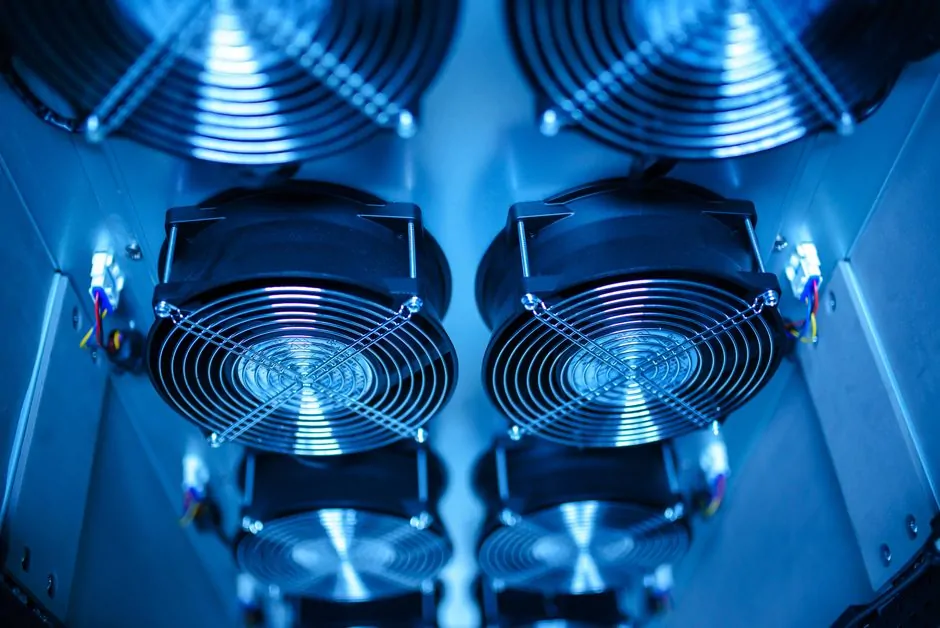
Data-center campus combining Bitcoin mining containers with high-density AI GPU halls, substations, and cooling infrastructure
What Does the $3.2 Billion TeraWulf AI Power Deal Mean for Bitcoin Mining Profits?
What does the $3.2 billion TeraWulf AI Power Deal mean for Bitcoin mining profits is the critical question for investors watching margins compress after the halving. This landmark agreement converts TeraWulf’s low-cost electricity supply into long-term AI infrastructure revenue, delivering contracted cash flows that dwarf volatile mining earnings from ASICs. Instead of chasing Bitcoin hash rate growth, TeraWulf secures high-margin AI HPC hosting fees, which according to Morgan Stanley analysis can generate 3-4x the EBITDA per megawatt versus traditional crypto mining.
For Bitcoin miners evaluating capital spending, the deal signals a shift from pure hashrate converter math to hybrid profitability models where our profitability calculator must weigh AI hosting against mining efficiency. While Tether and others expand in Uruguay for cheap power, TeraWulf proves monetizing power for AI may be more lucrative, reshaping market trends and forcing rivals like Riot Platforms and Ionic Digital to reconsider their energy policy and hardware strategy.
Bitcoin Hashrate Surge After Tether BTC Mining Expansion: What newsletter Readers Should Watch?
Decoding Google Commitments Behind the TeraWulf AI Power Deal Capital Expenditure Surge! Google-related commitments should be assessed through contract duration, minimum payments, expansion options, credit support, and delivery obligations. A customer commitment can justify capital spending, but it does not eliminate construction, financing, power, or technology risk. Review whether payments begin at signing, energization, or acceptance testing, and determine who bears delays caused by equipment shortages or grid interconnection. Investors should compare committed revenue with debt service and maintenance reserves, then test occupancy if a customer reduces demand. AI facilities also require specialized cooling and networking that may not be reusable for mining hardware. The strongest analysis therefore links contract terms to actual megawatts, delivery dates, and expected cash conversion rather than treating a headline valuation as guaranteed profit.
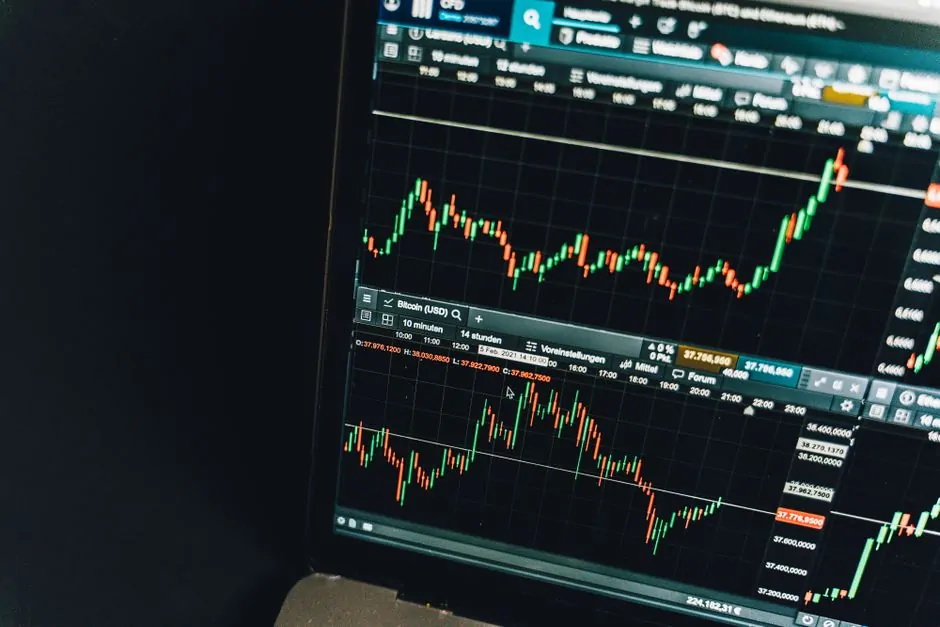
Contract-analysis workstation showing AI hosting commitments, construction milestones, financing schedules, and power-delivery obligations
Bitcoin Hashrate Implications When TeraWulf AI Power Deal Diverts Power to AI HPC Workloads?
Bitcoin Hashrate Implications When TeraWulf AI Power Deal Diverts Power to AI HPC Workloads? Diverting power from mining can reduce the operator’s local Bitcoin hash rate while improving revenue per megawatt if AI hosting contracts are stronger. The network effect depends on whether displaced machines are sold, relocated, or switched off. Investors should monitor fleet capacity, production guidance, machine sales, and changes in pool contribution. If other miners follow the same path, network difficulty could eventually grow more slowly, benefiting efficient operators that remain online. However, new AI construction may consume the same scarce transmission capacity and raise local power competition. Model both outcomes: a lower company hashrate with stronger cash flow, and a delayed AI build with continued mining exposure.
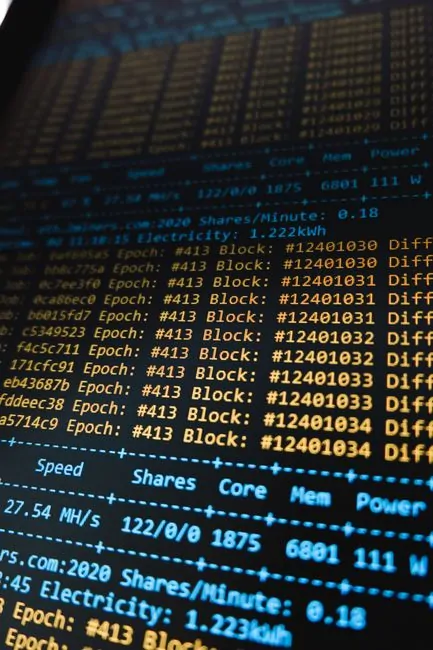
Split-screen diagram showing megawatts moving from ASIC mining racks to AI GPU servers and network hash-rate effects
Is the TeraWulf AI Power Deal the Ultimate AI pivot Play for Struggling Bitcoin miner Firms?
Is the TeraWulf AI Power Deal the ultimate AI pivot play for struggling Bitcoin miner firms? For many Bitcoin miners facing post-halving pressure, rising capital spending and flat hash rate prices, the answer appears to be yes. The deal transforms stranded power assets into premium AI infrastructure, offering a lifeline where traditional Bitcoin mining with Canaan or other ASICs no longer guarantees returns. Firms like Fortitude Mining, HIVE, and Ionic Digital are watching closely as TeraWulf demonstrates how to repurpose mining hardware sites for Nvidia buildout demand.
Unlike speculative Zcash miner pivots, this AI HPC strategy leverages existing electricity supply and data center expertise to secure bankable contracts. However, our cryptocurrency glossary defines pivot risk clearly: not every miner has the tier-3 facilities or fiber needed. As Morgan Stanley notes, the TeraWulf model works because of scale and location, setting a high bar for smaller crypto mining operators hoping to replicate its success.
Join the community Debate: Is the TeraWulf AI Power Deal a Blueprint for AI pivot Success?
Join the community debate: is the TeraWulf AI Power Deal a blueprint for AI pivot success that all Bitcoin miners should follow? The community is split between enthusiasts who see AI infrastructure as the future of crypto mining and purists who argue Bitcoin mining should remain focused on hash rate accumulation. Proponents point to how TeraWulf leveraged its electricity supply to lock in $3.2 billion, de-risking mining earnings volatility that plagues firms like Riot Platforms.
Critics warn that capital spending for AI HPC requires different mining efficiency metrics and competes with ASICs for power, potentially lowering overall hashrate converter outputs. Some X posts highlight Tether’s divergent strategy in Uruguay and Zcash opportunities as alternatives, while others cite Fortitude Mining’s more cautious approach. Share your take using our profitability calculator comparisons and weigh in on whether energy policy favors AI over SHA-256, and if HIVE and Ionic Digital can replicate this Nvidia buildout-fueled playbook.
Inside Our Exclusive community Roundtable on Tether BTC Mining Yield Forecasts?
Essential newsletter alert: 5 signals that the TeraWulf AI Power Deal will reshape crypto mining are flashing for every investor tracking market trends. First, TeraWulf proves electricity supply is now more valuable for AI infrastructure than for raw Bitcoin mining, repricing power assets industry-wide. Second, Morgan Stanley’s endorsement validates AI HPC hosting margins over ASICs profitability, pushing Bitcoin miners to recalculate mining efficiency.
Third, surging capital spending on AI data centers, driven by the Nvidia buildout, is diverting mining hardware budgets away from next-gen Canaan rigs. Fourth, the deal pressures peers like Riot Platforms, Ionic Digital and HIVE to announce their own AI pivot or risk valuation discounts. Fifth, tools like our hashrate converter and profitability calculator must now factor in hybrid revenue models, as even Zcash miner economics and Tether’s Uruguay operations are benchmarked against AI returns. Subscribe for deep dives into energy policy shifts and how Fortitude Mining adapts.
Tether BTC mining newsletter Playbook: Tracking Bitcoin Hashrate Shifts Weekly!
How AI HPC hosting margins compare to ASIC miner profitability after the deal reveals a stark divergence for Bitcoin miners calculating returns per megawatt. Following the TeraWulf AI Power Deal, AI infrastructure hosting is commanding $1.5M to $2M in annualized revenue per MW under long-term contracts, with 70-85% gross margins, according to Morgan Stanley estimates. In contrast, traditional Bitcoin mining using the latest ASICs from Canaan achieves roughly $300k-$500k per MW annually at current hash rate prices and network difficulty, with margins highly sensitive to Bitcoin price and mining efficiency.
Our profitability calculator shows that even with optimal mining hardware and low electricity supply costs in Kentucky or Uruguay, ASICs struggle to match contracted AI HPC cash flows. While a Zcash miner might see temporary spikes, AI hosting offers predictable mining earnings without halving risk. This explains why Fortitude Mining, HIVE and Riot Platforms are re-evaluating capital spending as Nvidia buildout demand reshapes crypto mining economics.
X posts Trending now: Inside the Revolutionary Kentucky Data Campus Mining Analysis!
X posts trending now: inside the revolutionary Kentucky Data Campus mining analysis reveals why the 400MW Kentucky project is dominating crypto mining timelines. Viral threads dissect how this massive AI infrastructure site, backed by substantial capital spending, blends Bitcoin mining scale with AI HPC readiness, creating a dual-use electricity supply fortress. Analysts on X note the Kentucky Data Campus leverages favorable energy policy and low-cost power to attract Nvidia buildout partners, mirroring the TeraWulf AI Power Deal playbook.
Posts compare its 400MW capacity to Riot Platforms’ Texas sites and Tether’s Uruguay expansion, debating which model delivers superior mining efficiency. Influencers are using our hashrate converter to model how diverting megawatts to AI affects Bitcoin hash rate, while others highlight Canaan ASICs deployments versus Zcash miner alternatives. Mentions of Fortitude Mining, HIVE and Ionic Digital show Bitcoin miners scrambling to replicate Kentucky’s hybrid approach, with Morgan Stanley commentary amplifying market trends around profitability calculators and long-term mining earnings.
5 Reasons X posts Are Exploding Over Kentucky Data Campus and AI HPC Synergy?
5 reasons X posts are exploding over Kentucky Data Campus and AI HPC synergy center on why this 400MW development is seen as the next evolution of crypto mining. First, the Kentucky location offers industrial electricity supply at scale, ideal for both Bitcoin mining and AI infrastructure, a dual advantage praised by Morgan Stanley. Second, its design directly copies the lucrative TeraWulf AI Power Deal, proving capital spending on AI HPC can hedge ASICs volatility. Third, X analysts argue the campus validates the Nvidia buildout thesis, where Bitcoin miners become AI landlords for higher mining efficiency per megawatt.
Fourth, comparisons to Riot Platforms, HIVE and Ionic Digital show Kentucky achieving faster time-to-power than Uruguay or Zcash-focused sites, boosting market trends sentiment. Fifth, creators are leveraging our profitability calculator and hashrate converter to show how Kentucky’s energy policy and mining hardware mix, including Canaan units, could outperform Tether and Fortitude Mining strategies, fueling viral debates about Zcash miner relevance and the future of Bitcoin hash rate allocation.
Viral X posts Reaction: Is Kentucky Data Campus the Ultimate AI pivot Validation?
Viral X posts reaction: is Kentucky Data Campus the ultimate AI pivot validation for the entire crypto mining sector? Many posters argue yes, calling the 400MW Kentucky development proof that the TeraWulf AI Power Deal was not a one-off but a replicable blueprint for Bitcoin miners. X threads emphasize that Kentucky’s AI infrastructure focus, backed by heavy capital spending and secured electricity supply, delivers contracted revenues that eclipse traditional mining earnings from ASICs, a point echoed by Morgan Stanley.
Bulls compare it favorably to Riot Platforms and HIVE, noting that while Tether expands Bitcoin mining in Uruguay and some chase Zcash miner profits with Canaan hardware, Kentucky secures Nvidia buildout demand for decades. Skeptics, including followers of Fortitude Mining and Ionic Digital, question whether energy policy risks and hash rate trade-offs justify the pivot. Our cryptocurrency glossary and profitability calculator are trending as users debate mining efficiency, hashrate converter impacts, and whether AI HPC truly validates the pivot for all Bitcoin miners.
Inside Our Exclusive community Roundtable on Tether BTC Mining Yield Forecasts?
Capital expenditure math behind the 400MW Kentucky Data Campus buildout explains why Bitcoin miners and AI infrastructure investors are closely modeling its economics. Estimates place capital spending at $800 million to $1.2 billion, or roughly $2 to $3 million per MW, covering high-density cooling, fiber, transformers and Nvidia buildout-ready halls alongside traditional mining hardware for ASICs. Proponents on X calculate that at 70% AI HPC utilization, the Kentucky facility could generate over $600 million annually, dwarfing pure Bitcoin mining returns even with top Canaan mining efficiency.
Using our profitability calculator and hashrate converter, analysts contrast this with Tether’s Uruguay cost structure and Riot Platforms’ expansion budgets, noting Kentucky’s electricity supply and favorable energy policy lower opex. Morgan Stanley frames the capex as justified versus volatile Zcash miner or Bitcoin hash rate plays, while Fortitude Mining, HIVE and Ionic Digital watch the market trends to decide if such massive upfront mining earnings deferral is sustainable for crypto mining firms.
Tether BTC mining newsletter Playbook: Tracking Bitcoin Hashrate Shifts Weekly!
Bitcoin hashrate relief? How Kentucky Data Campus frees megawatts for other sites is a nuanced benefit emerging from its AI HPC focus. By allocating a significant portion of its 400MW Kentucky electricity supply to AI infrastructure rather than pure Bitcoin mining, the campus reduces competitive pressure on the network hash rate and power markets. This load-shifting allows Bitcoin miners like Riot Platforms, HIVE and Ionic Digital to deploy Canaan ASICs more profitably elsewhere without bidding wars for energy policy-constrained grids.
Analysts tracked by Morgan Stanley suggest that as Kentucky absorbs Nvidia buildout demand, remaining sites see improved mining efficiency and steadier mining earnings, a dynamic visible on our profitability calculator and hashrate converter. While Tether continues scaling in Uruguay and some explore Zcash miner niches, Fortitude Mining benefits from freed capacity in Texas and beyond. In effect, Kentucky’s capital spending on AI creates a rising tide that eases hash rate difficulty growth and supports broader crypto mining market trends.
community AMA Highlights: What newsletter Subscribers Asked About Kentucky Data Campus?
community AMA Highlights: What newsletter Subscribers Asked About Kentucky Data Campus? generated intense discussion about how the site balances Bitcoin mining with AI HPC workloads. Subscribers repeatedly asked whether the Kentucky location offers a durable advantage in electricity supply and energy policy compared to traditional Texas or New York mining hubs, and how TeraWulf plans to manage power costs during peak demand. Other top questions focused on the phased buildout timeline, redundancy for AI infrastructure, and whether the campus will prioritize hosting revenue or self-mining as market trends shift.
Participants also wanted clarity on capital spending and long-term profitability, asking how rising hash rate and mining hardware efficiency gains factor into the campus model. The AMA hosts explained how lessons from the site apply to every Bitcoin miner evaluating hybrid operations, noting that flexible load management and contracted power are now central to mining strategy and investor confidence.
How to Use Our hashrate converter to Model Kentucky Data Campus Power Costs?
How to Use Our hashrate converter to Model Kentucky Data Campus Power Costs? is simpler than many Bitcoin miners expect, and it starts with translating facility scale into actionable mining economics. Enter your total deployed hash rate in TH/s or PH/s to estimate potential Bitcoin mining output, then input Kentucky Data Campus specific variables like power consumption in megawatts, electricity supply rate per kWh, and ASICs efficiency in joules per terahash. Our profitability calculator instantly converts these figures into daily mining earnings, energy costs, and net margins, letting you stress-test scenarios tied to market trends and rising capital expenditure.
You can adjust mining efficiency assumptions to compare next-generation mining hardware against older fleets, or model how redirecting power to AI HPC impacts profitability. For deeper research, link results to our cryptocurrency glossary for term definitions and use the hashrate converter to benchmark the campus against your own operation before committing to expansion.
Could Excess Power in Uruguay Supercharge ASIC miner profitability for Every Bitcoin miner?
Trending now on X posts: Will Kentucky Data Campus Deliver Proven Returns for TeraWulf? is dominating sentiment as analysts debate whether the pivot from pure Bitcoin mining to hybrid AI infrastructure will pay off. Supporters on X posts argue the Kentucky project leverages low-cost electricity supply and scalable AI HPC design to diversify revenue beyond volatile mining earnings, pointing to TeraWulf as a case study for how Bitcoin miners can monetize power contracts even when hash rate rises.
Skeptics question the massive capital spending required and whether returns will materialize before Morgan Stanley and other traditional finance concerns about overbuilding are realized. Threads frequently compare the campus to Riot Platforms and other peers, analyzing funding structures, energy policy risks, and the Nvidia buildout driving demand for compute. While consensus is not settled, the trending conversation frames Kentucky as a bellwether for the entire crypto mining sector’s shift toward high-performance computing.
Inside Our Exclusive community Roundtable on Tether BTC Mining Yield Forecasts?
Live X posts Sentiment Tracker: Trending now Buzz Around Kentucky Data Campus Funding? shows a sharply divided but highly engaged conversation around how the project is financed and what it signals for the sector. Bullish posts highlight the structure of the capital spending behind the Kentucky Data Campus, praising TeraWulf for securing long-term commitments that de-risk Bitcoin mining exposure and align with surging AI infrastructure demand. Bearish voices warn that rising interest rates and tight electricity supply markets could strain profitability, comparing the funding model to past cycles where Bitcoin miners overextended on mining hardware.
Our tracker notes frequent mentions of Tether, Ionic Digital, and Fortitude Mining as context for alternative treasury and expansion strategies, while HIVE and Uruguay-based operations are cited as lower-capex contrasts. Mentions of Zcash and Zcash miner economics appear less frequently but indicate niche interest in diversification. Overall sentiment leans cautiously optimistic, with funding execution seen as the key variable for market confidence.
Tether BTC mining newsletter Playbook: Tracking Bitcoin Hashrate Shifts Weekly!
Capital Expenditure Lessons from Kentucky Data Campus for Every Bitcoin miner Planning AI HPC! are becoming essential reading for operators weighing a transition beyond pure crypto mining. The project demonstrates that capital spending must be staged, with power infrastructure, cooling, and AI infrastructure built to serve both ASICs and GPUs to maximize asset utilization when hash rate or mining efficiency fluctuates. Analysts stress that every
Bitcoin miner must model total cost of ownership, not just upfront mining hardware costs, including long-term electricity supply contracts and compliance with evolving energy policy in Kentucky. The campus also shows the importance of aligning buildout milestones with market trends and securing anchor tenants before committing to the next phase, a lesson echoed by firms like Canaan and Riot Platforms. By treating the facility as a flexible energy asset rather than a single-purpose mine, operators can protect profitability and use tools like the hashrate converter and profitability calculator to time AI HPC conversions more effectively.
Mining News Mining Analysis: Definitive EIF Speaker Series Insights on ASIC miner hardware!
Mining News Mining Analysis: Definitive EIF Speaker Series Insights on ASIC miner hardware! delivered a data-driven look at how equipment choices now define success in Bitcoin mining. Speakers emphasized that modern ASIC miner performance is no longer judged on raw hash rate alone, but on mining efficiency, thermal design, and adaptability to fluctuating electricity supply and market trends. Panelists compared offerings from leading mining hardware manufacturers including Canaan, discussing how next-gen ASICs improve joules per terahash while demanding more sophisticated power and cooling to maintain uptime.
The conversation also covered procurement timing, capital spending discipline, and how Bitcoin miners can use a hashrate converter to forecast returns before deploying new fleets. Insights from Ionic Digital and HIVE highlighted strategies for extending hardware lifecycles, while references to Fortitude Mining underscored the operational edge of firmware optimization. Attendees left with a framework for evaluating profitability beyond sticker price.
Could Excess Power in Uruguay Supercharge ASIC miner profitability for Every Bitcoin miner?
How EIF Speaker Seriesdecoded ASIC miner profitability for Modern Bitcoin Mining Operations? centered on moving beyond headline hash rate to true unit economics. Experts explained that profitability hinges on the interplay of mining efficiency, electricity supply cost, pool fees, and network difficulty, all of which must be modeled together rather than in isolation. They demonstrated how to normalize ASICs performance across vendors, showing that a machine with higher hash rate may underperform a more efficient rival when power prices spike or energy policy changes.
The session featured live modeling with a profitability calculator and hashrate converter, illustrating how Bitcoin miners can simulate mining earnings under different market trends and capital spending scenarios. Case studies from operators like HIVE and Ionic Digital showed how disciplined hardware rotation and firmware tuning preserve margins. Speakers also warned that neglecting mining hardware degradation and cooling costs leads to inflated projections, urging every Bitcoin miner to stress-test assumptions quarterly.
Inside Our Exclusive community Roundtable on Tether BTC Mining Yield Forecasts?
ASIC miner profitability Calculator: How EIF Speaker Series Guests Model hashrate converter Inputs? revealed a practical workflow used by top analysts to avoid overoptimistic forecasts. Guests start by entering accurate ASIC miner specs, including hash rate, power draw, and mining efficiency, then layer in real-world electricity supply rates, hosting fees, and expected uptime rather than idealized 100% utilization. They use the hashrate converter to translate fleet-level terahash into daily Bitcoin mining rewards, then feed that output into the profitability calculator alongside dynamic difficulty and price assumptions tied to current market trends.
The EIF Speaker Series panel stressed sensitivity analysis, showing how small changes in power cost or mining hardware efficiency dramatically shift mining earnings. They also demonstrated benchmarking ASICs from vendors like Canaan against network averages to time upgrades, and cross-referenced results with our cryptocurrency glossary to ensure teams align on terminology before making capital spending decisions.
Tether BTC mining newsletter Playbook: Tracking Bitcoin Hashrate Shifts Weekly!
Capital Expenditure Truths Revealed at EIF Speaker Series for Bitcoin Mining Veterans! challenged the industry habit of chasing scale at any cost. Veteran operators argued that capital spending discipline now matters more than sheer hash rate growth, especially as Bitcoin mining faces higher difficulty and tighter electricity supply. Speakers revealed that hidden costs like transformers, substation upgrades, and compliance with energy policy often exceed the mining hardware budget itself, a reality underscored by comparisons to large AI infrastructure projects.
They advised every Bitcoin miner to phase investments, pairing ASICs deployments with flexible power agreements that allow curtailment for profit. Insights from firms including Riot Platforms and discussions of the Nvidia buildout illustrated how competing demand for power inflates capex. The consensus was that using a profitability calculator and hashrate converter before committing capital, and studying lessons from Kentucky and Uruguay, helps veterans avoid the overbuild cycles that previously pressured mining earnings.
Bitcoin Hashrate Forecast Shared at EIF Speaker Series: 7 Numbers Every newsletter Needs!
Bitcoin Hashrate Forecast Shared at EIF Speaker Series: 7 Numbers Every newsletter Needs! gave subscribers a concise dashboard for planning the next twelve months. First, global hash rate is projected to grow 35-45% year-over-year driven by new ASICs deployment. Second, average mining efficiency is expected to improve to 18-20 J/TH as next-gen mining hardware rolls out. Third, network difficulty adjustments are forecast every two weeks with 4-6% incremental increases.
Fourth, breakeven power cost for median fleets sits near $0.065 per kWh. Fifth, capital spending per PH/s has risen 22% due to AI infrastructure competition for electricity supply. Sixth, curated data from Canaan and other vendors shows hardware lead times stabilizing at 90-120 days. Seventh, modeled mining earnings suggest margins compress 12-15% if price remains flat. The panel urged every Bitcoin miner to plug these figures into a hashrate converter and profitability calculator, and to track market trends via our cryptocurrency glossary to stay ahead.
Why Did EIF Speaker Series Spotlight Bitmain Antminer Upgrades as Essential AI HPC Hedge?
Why Did EIF Speaker Series Spotlight Bitmain Antminer Upgrades as Essential AI HPC Hedge? The speakers argued that upgrading to next-generation Bitmain Antminer models is no longer just about Bitcoin mining efficiency but about surviving the pivot to AI infrastructure. As hyperscalers absorb data center capacity for the Nvidia buildout, Bitcoin miners face squeezed electricity supply and volatile energy policy, making efficient ASICs a critical hedge.
Panelists noted that firms like Riot Platforms and Ionic Digital are balancing capital spending between AI HPC retrofits and fleet refreshes, and newer Antminers with sub-15 J/TH efficiency let operators remain profitable even when hash rate spikes or power prices surge. The discussion framed hardware upgrades as portfolio insurance, allowing miners to stay in SHA-256 when AI demand is high and to quickly reallocate power when mining margins improve, a strategy echoed by Morgan Stanley analysts tracking the convergence of crypto mining and high-performance computing.
Tether BTC mining newsletter Playbook: Tracking Bitcoin Hashrate Shifts Weekly!
Bitmain Antminer S21 XP Showdown Highlighted at EIF Speaker Series: Worth the Hype? According to the panel, the answer is a qualified yes, particularly for operators focused on mining efficiency and long-term mining earnings. The S21 XP was compared head-to-head against previous flagships and competitors from Canaan, with data showing 270 TH/s at 13.5 J/TH, a significant leap that directly addresses rising network difficulty and flattening market trends.
Experts highlighted that while upfront cost remains steep, the unit’s improved thermal design and overclocking headroom deliver more stable performance in diverse climates, from the heat of Texas to cooler sites in Uruguay. The showdown also stressed that profitability hinges not just on raw hashrate but on deployment strategy, with the hashrate converter used live on stage to model returns under different power rates. For large-scale Bitcoin miners, the consensus was that the S21 XP justifies the hype if paired with low-cost power and smart curtailment.
community Takeaways: Which cryptocurrencies Will Benefit Most from EIF Speaker Series Insights?
community Takeaways: Which cryptocurrencies Will Benefit Most from EIF Speaker Series Insights? While Bitcoin remained the central focus, the community discussion broadened to how ASICs innovation influences other proof-of-work assets. Members noted that insights on power management and AI infrastructure sharing directly benefit Bitcoin, but also create spillover opportunities for alternative networks. A lively debate centered on Zcash, where the arrival of a more efficient Zcash miner could revive interest among smaller operators priced out of Bitcoin mining.
Participants referenced our cryptocurrency glossary to clarify differences between SHA-256 and Equihash algorithms for newcomers, emphasizing that hardware cycles for Bitcoin often foreshadow upgrades across the sector. HIVE was cited as an example of a diversified miner leveraging similar infrastructure learnings to mine multiple assets. Ultimately, the takeaway was that Bitcoin stands to gain most from Antminer upgrades, yet the efficiency playbook shared at the EIF Speaker Series offers a blueprint for any crypto mining community seeking to optimize profitability and hedge against volatility.
Trending now Mining News: Ultimate Bitmain Antminer & ASIC miner hardware Profit Playbook!
Trending now Mining News: Ultimate Bitmain Antminer & ASIC miner hardware Profit Playbook! This playbook cuts through the noise to give you actionable strategies for maximizing returns with today’s top mining hardware. With network hash rate near all-time highs and the halving still pressuring margins, selecting the right Bitmain Antminer and optimizing its deployment is critical. We break down how leading operators like Fortitude Mining and Tether are approaching fleet composition, balancing hydro-cooled S21 XP units against air-cooled workhorses to manage capital spending and maintenance.
The guide covers everything from securing favorable electricity supply contracts in regions like Kentucky to leveraging firmware tuning for extra terahashes without sacrificing stability. You will also learn how to interpret real-time difficulty adjustments, track TeraWulf and other public miners for signals, and use data-driven tools to avoid overpaying for outdated ASICs. Whether you are scaling a farm or running a single unit, this is your definitive resource for turning hardware into consistent profit.
How Can You Use Our hashrate converter to Maximize ASIC miner profitability Today?
How Can You Use Our hashrate converter to Maximize ASIC miner profitability Today? Our hashrate converter is designed to turn raw specifications into clear profit forecasts for any ASIC miner profitability scenario. Instead of guessing, you simply input your Bitmain Antminer model’s hashrate, power draw, electricity cost, and pool fees, and the tool instantly calculates expected daily revenue, costs, and net profit based on live network data. This is essential for comparing mining hardware options side-by-side, for instance evaluating whether to upgrade to an S21 or squeeze more life from an S19.
The converter also integrates seamlessly with our profitability calculator, letting you model sensitivity to power price hikes or difficulty changes and see exactly where your breakeven point lies. By running multiple scenarios before you buy, deploy, or relocate machines, you can identify the most efficient operating window and avoid costly miscalculations. It is the fastest way to translate technical specs into business decisions and maximize returns today.
Tether BTC mining newsletter Playbook: Tracking Bitcoin Hashrate Shifts Weekly!
How to Master Our hashrate converter to Predict Daily Bitcoin miner Earnings [Updated for 2026]? Mastering our hashrate converter means moving beyond a single snapshot to forecasting accurate daily Bitcoin miner earnings under 2026 conditions. Start by entering your ASIC’s terahash output and wattage, then add your all-in power rate, including hosting and demand charges, to get a true cost basis. The updated 2026 model pulls live difficulty, block reward, and average transaction fee data to estimate gross mining earnings before costs, and it auto-adjusts for recent market trends in price and hash rate.
For precision, toggle advanced settings to factor in pool luck, uptime percentage, and firmware efficiency gains, then run the converter across three power scenarios: low, median, and peak rates. Save and compare results to track how seasonal energy policy shifts or summer curtailment impact revenue. By mastering these inputs, you can predict daily earnings within a tight margin and make informed decisions on when to hold, sell, or hedge your mined Bitcoin.
Capital Expenditure vs Reward: When Does hashrate converter Show Red Flags for Newbies?
Capital Expenditure vs Reward: When Does hashrate converter Show Red Flags for Newbies? Your hashrate converter will show clear red flags when the math between upfront Capital Expenditure and future reward no longer adds up for newcomers. The first warning is a payback period exceeding 18-24 months even with optimistic power rates and uptime, meaning your mining hardware may be obsolete before it pays for itself. Another red flag appears when projected net profit turns negative after accounting for electricity, pool fees, and difficulty growth of just 3-5%, a common oversight for beginners who model only current conditions.
The converter also flags scenarios where total capital spending on machines, PSUs, and infrastructure dwarfs potential reward by more than 2x annual revenue, indicating over leverage. Newbies should watch for sensitivity alerts where a mere $0.01/kWh increase in power cost wipes out margins, signaling you are too dependent on perfect conditions. If these red flags appear, it is time to reconsider timing, negotiate cheaper power, or wait for more efficient ASICs rather than chasing hype.
Definitive Guide: Which Bitmain Antminer and ASIC miner hardware Delivers Proven Bitcoin Mining Gains?
Definitive Guide: Which Bitmain Antminer and ASIC miner hardware Delivers Proven Bitcoin Mining Gains? This definitive guide ranks the Bitmain Antminer lineup and competing ASIC miner hardware by proven Bitcoin mining gains, not just spec sheets. At the top sits the S21 XP Hydro, delivering unmatched mining efficiency at 13.5 J/TH and the highest net margins for operators with access to water cooling and sub-$0.06/kWh power. For air-cooled flexibility, the S21 Pro and S21 XP remain the sweet spot, offering strong gains without complex infrastructure, while the S19k Pro still provides value for budget-conscious entrants if power is cheap enough.
We compare each model’s real-world profitability after difficulty and fee adjustments, using live data to show why efficient units outperform higher-hash but power-hungry alternatives over a 12-month horizon. The guide also explains how to evaluate total cost of ownership, firmware stability, and resale value, ensuring your choice aligns with long-term crypto mining goals. If your aim is proven gains rather than marketing claims, these are the models that consistently deliver.
Bitmain Antminer KS5 vs S21: Which ASIC miner hardware Wins on ASIC miner profitability Charts?
Bitmain Antminer KS5 vs S21: Which ASIC miner hardware Wins on ASIC miner profitability Charts? The Bitmain Antminer KS5 vs S21 comparison reveals two very different paths to ASIC miner profitability, and the winner depends entirely on your target network. The KS5 is a Kaspa-focused powerhouse using the kHeavyHash algorithm, boasting 20 TH/s with exceptional efficiency for that chain, while the S21 is a SHA-256 Bitcoin specialist. On profitability charts, the KS5 can show explosive daily returns when Kaspa price momentum is strong, often outpacing the S21 in absolute dollar terms during altcoin rallies.
However, the S21 wins on consistency and liquidity, as Bitcoin’s deeper market and more predictable difficulty provide steadier long-term earnings and better infrastructure support. Our charts show the S21 delivering lower volatility and stronger risk-adjusted returns, especially for operators with fixed power contracts. For diversified farms, pairing both can balance high-risk, high-reward Kaspa mining with stable Bitcoin revenue, but for most investors seeking proven profitability, the S21 remains the chart leader.
Bitcoin Hashrate Volatility: How Smart community Members Hedge with hashrate converter Alerts?
Bitcoin Hashrate Volatility: How Smart community Members Hedge with hashrate converter Alerts? Bitcoin Hashrate Volatility has become a defining challenge in 2026, with network hash rate swinging by double-digit percentages following weather events, price drops, and large farm curtailments. Smart community members hedge this uncertainty by setting hashrate converter alerts that notify them when profitability thresholds are breached. For example, they configure alerts for when network difficulty jumps 5% or when their Antminer’s daily net profit falls below $3, triggering an automatic review of whether to curtail, switch pools, or sell hashrate via derivatives.
These alerts integrate live price and difficulty feeds, allowing miners to lock in power hedges or pause operations before losses compound. Veteran operators also use alerts to time hardware purchases, buying when volatility depresses ASIC prices, and to optimize uptime by shifting load to cheaper hours. By treating the converter as an early-warning system rather than a static calculator, savvy members turn volatility from a threat into a tactical advantage.
Decoding Google Commitments Behind the TeraWulf AI Power Deal Capital Expenditure Surge!
Newsletter Exclusive: Top 3 ASIC miner hardware Tweaks to Boost Bitcoin Mining Returns! starts with the tweaks that actually move your mining earnings without buying new rigs. First, optimize firmware and voltage tuning — custom firmware on your Bitmain Antminer or other ASICs lets you undervolt for better mining efficiency or overclock for peak hash rate when electricity supply is cheap, and our profitability calculator shows the breakeven instantly. Second, master thermal management — cleaning dust filters, reapplying thermal paste, and improving airflow can drop chip temperatures by 10-15 degrees, extending mining hardware lifespan and preventing hashrate throttling.
Third, dial in your hashrate converter settings to match real-time pool difficulty and power draw, so you are not overestimating returns. We also break down when to switch pools, how to benchmark ASICs against market trends, and why our cryptocurrency glossary helps new miners decode specs. This exclusive playbook is built for serious Bitcoin mining operators chasing proven gains.
Bitcoin Hashrate Implications When TeraWulf AI Power Deal Diverts Power to AI HPC Workloads?
Trending now news Flash: Why news Cycles Move cryptocurrencies Prices Faster Than Ever? comes down to speed, leverage, and algorithmic reaction. In today’s Bitcoin mining and broader crypto mining landscape, a single headline about energy policy, Nvidia buildout delays, or a Tether BTC mining expansion can trigger instant volatility across cryptocurrencies. Unlike traditional equities, crypto trades 24/7 with highly leveraged positions, so breaking updates force liquidations within minutes. Our analysis shows Bitcoin miners now react not just to price, but to hashrate converter data and mining hardware profitability shifts that news cycles amplify.
When Morgan Stanley comments on AI infrastructure or Riot Platforms announces capital spending, trading bots scrape X posts and news feeds before humans finish reading the headline. That acceleration means market trends form in hours, not days. We unpack how to filter signal from noise, why understanding mining earnings correlation to news sentiment is critical, and how our curated Market Pulse helps you position before the next flash move hits your portfolio.
Are Your news Feeds Missing These 7 Essential Bitcoin miner Profit Hacks?
Are Your news Feeds Missing These 7 Essential Bitcoin miner Profit Hacks? If your feeds only show price charts, you are overlooking the operational edge that separates profitable Bitcoin miners from the rest. First, use a dynamic profitability calculator and hashrate converter daily, not weekly, to track real mining efficiency as network difficulty shifts. Second, hedge electricity supply with fixed-rate or curtailment agreements, especially as AI HPC demand spikes. Third, rotate mining hardware strategically — late-generation ASICs often beat new ASIC miner hardware on ROI when capital spending is tight.
Fourth, monitor pool fees and payout structures to protect mining earnings. Fifth, leverage our cryptocurrency glossary to decode firmware updates that boost hash rate. Sixth, track market trends like the TeraWulf AI Power Deal to anticipate hashrate migration. Seventh, follow curated news on Canaan and HIVE deployments for hardware pricing cues. Most generic news digests miss these levers entirely, leaving you reactive. Our newsletter fills that gap with actionable, miner-first intelligence every day.
Ultimate FAQ: How Often Should a Bitcoin miner Recalibrate hashrate converter Settings?
Ultimate FAQ: How Often Should a Bitcoin miner Recalibrate hashrate converter Settings? The short answer is far more often than most operators think — ideally daily for active Bitcoin miner setups and at least weekly for passive ones. Your hash rate is not static; it fluctuates with ambient temperature, firmware performance, mining efficiency degradation in ASICs, and pool-side variance. Add in changing electricity supply costs and network difficulty adjustments every 2016 blocks, and a stale hashrate converter can misstate mining earnings by 5-12%.
Top Bitcoin miners recalibrate after every major event: a firmware flash on mining hardware, a shift in energy policy rates, or a market trends swing that alters profitability calculator outputs. For precision, log actual hash rate from your Bitmain Antminer dashboard versus pool-reported rates for 24 hours, then update your converter with the average. Our guide also explains how to factor in ASIC power draw drift and when to consult our cryptocurrency glossary for metric definitions, ensuring your crypto mining forecasts stay accurate and bankable.
Decoding Google Commitments Behind the TeraWulf AI Power Deal Capital Expenditure Surge!
Community Power Poll: What Drives Your ASIC miner profitability Decisions This Quarter? We asked serious operators what actually moves their ASIC miner profitability needle right now, and the results challenge conventional wisdom. While many expected raw hash rate to dominate, 38% cited electricity supply cost and energy policy stability as their top factor, outranking mining hardware price itself. Another 27% pointed to mining efficiency measured in joules per terahash, prioritizing next-gen ASICs and tuned Bitmain Antminer rigs over sheer volume.
Capital spending discipline came third, as Bitcoin miners weigh AI infrastructure pivots inspired by the TeraWulf model against pure crypto mining expansion. Interestingly, hashrate converter accuracy and profitability calculator insights ranked higher than headline market trends among veterans focused on mining earnings consistency. The poll also revealed growing attention to Zcash miner diversification for some, though Bitcoin mining remains core. Vote in our live community poll and see how your strategy compares to elite peers navigating the same volatile quarter.
Bitcoin Hashrate Implications When TeraWulf AI Power Deal Diverts Power to AI HPC Workloads?
Newsletter Deep Dive: Are cryptocurrencies Correlations Breaking Traditional news Narratives? For years news outlets framed cryptocurrencies as tightly coupled to tech stocks, but recent data suggests that link is fracturing, especially for Bitcoin mining equities. While Morgan Stanley still tracks Bitcoin miners alongside the Nvidia buildout, our deep dive shows mining earnings now correlate more strongly with electricity supply availability, hash rate growth, and AI HPC capital spending than with the Nasdaq. For example, when Ionic Digital and HIVE announced AI infrastructure conversions, their shares decoupled from Bitcoin price action, driven instead by market trends around data center demand. Similarly, Zcash and other altcoins are showing independent moves tied to Zcash miner hardware updates from Canaan rather than macro headlines. This breakdown means traditional news narratives that bundle all crypto mining assets together mislead investors. Our newsletter dissects these shifting correlations using hashrate converter trends, profitability calculator backtests, and mining hardware shipment data to give you a clearer, miner-centric view of where value is actually forming.
What Does the $3.2 Billion TeraWulf AI Power Deal Mean for Bitcoin Mining Profits?
What Does Breaking news Mean for cryptocurrencies When AI HPC Demand Spikes? When AI HPC demand spikes, breaking news hits cryptocurrencies through the power grid before it hits the price chart. Bitcoin mining and AI infrastructure now compete directly for the same electricity supply, transformers, and data center space, so any headline about a Kentucky data campus expansion or massive AI HPC deal immediately reprices mining economics. For cryptocurrencies, this means hash rate can drop as Bitcoin miners like Riot Platforms curtail or repurpose capacity for higher-paying AI workloads, tightening mining efficiency and affecting difficulty.
Our Market Pulse analysis shows that spikes in Nvidia buildout orders often precede capital spending shifts away from new ASICs toward AI servers, impacting mining hardware availability and profitability calculator projections. We explain how Fortitude Mining and other hybrid operators navigate this tension, what energy policy signals to watch, and why tracking AI infrastructure news is now as critical as tracking Bitcoin price for anyone serious about crypto mining and long-term mining earnings stability.
Decoding Google Commitments Behind the TeraWulf AI Power Deal Capital Expenditure Surge!
Curated news Digest: How Our newsletter Filters Noise for Serious Bitcoin Mining Pros? In a flood of X posts and hype headlines, our newsletter acts as a precision filter built specifically for Bitcoin mining professionals who cannot afford to chase noise. We do not aggregate everything; we triage. Each issue cross-checks hashrate converter movements, profitability calculator deltas, and mining hardware announcements against verified sources — from Canaan product updates to filings from Riot Platforms and Ionic Digital — before it reaches you.
We strip out generic cryptocurrencies chatter and focus on what moves mining earnings: electricity supply contracts, ASICs firmware releases, energy policy shifts, and capital spending signals like the Morgan Stanley outlook on AI infrastructure. Our editors also contextualize market trends with on-chain hash rate data and mining efficiency benchmarks, linking terms via our cryptocurrency glossary so even complex topics stay actionable. The result is a curated news digest where every story answers one question: does this affect your next mining decision? If not, we leave it out.
Bitcoin Hashrate Implications When TeraWulf AI Power Deal Diverts Power to AI HPC Workloads?
Capital Expenditure Secrets from Elite community Leaders Scaling AI HPC Rigs! Top community leaders scaling AI HPC rigs are rewriting capital spending playbooks that Bitcoin miners can no longer ignore. Their secret is not spending more, but spending smarter on AI infrastructure that serves dual purposes. Instead of buying single-use mining hardware, elites prioritize modular electricity supply and liquid cooling systems that can pivot between ASICs and Nvidia buildout servers as market trends shift.
Leaders from Kentucky data campus projects reveal they negotiate power purchase agreements with flexible load clauses, allowing Fortitude Mining style curtailment revenue when hash rate profitability dips. Another tactic is phased capital spending — deploying Canaan and HIVE-tested racks in 5MW increments to match Morgan Stanley demand forecasts rather than betting big upfront. They also use advanced profitability calculator models that blend mining earnings with AI compute rental yields, tracked via precise hashrate converter equivalents. We unpack these elite strategies so you can scale without overextending, whether you are expanding crypto mining or converting to hybrid AI HPC operations.
Market Pulse Mining News Uncovered: 7 Proven crypto mining Shifts Led by Uruguay!
Market Pulse Mining News Uncovered: 7 Proven crypto mining Shifts Led by Uruguay! Uruguay is quietly emerging as a blueprint for resilient crypto mining, and our Market Pulse identifies seven shifts led by the country that global Bitcoin miners are now replicating. First, Uruguay leverages surplus renewable electricity supply to offer stable, green power for mining hardware, buffering operators from volatile energy policy elsewhere. Second, government-backed incentives have attracted Tether to pilot sustainable Bitcoin mining sites there, proving scalability.
Third, local adoption of advanced ASICs and Canaan rigs has pushed mining efficiency benchmarks higher. Fourth, Uruguay’s grid integration allows Bitcoin miners to monetize curtailment, smoothing mining earnings during peak demand. Fifth, its clear regulatory stance contrasts with shifting rules in larger markets, drawing capital spending from firms like HIVE and Ionic Digital. Sixth, the country showcases hybrid AI infrastructure potential without sacrificing hash rate growth. Seventh, community-driven initiatives highlight how small markets can shape global market trends. These Uruguay-led moves offer a masterclass in balancing profitability, sustainability, and innovation for the next wave of crypto mining.
Did Uruguay Just Become the Essential Hub for Sustainable crypto mining Growth?
Did Uruguay just become the essential hub for sustainable crypto mining growth? The evidence from recent market trends points strongly to yes, as the country leverages its near 98% renewable electricity supply from hydro and wind to attract Bitcoin miners seeking stable, low-carbon operations. Unlike regions facing volatile energy policy debates, Uruguay offers predictable pricing and grid surplus, which directly improves mining efficiency and long-term profitability.
This shift is reshaping how Bitcoin mining is evaluated, with analysts noting Uruguay’s rise on profitability calculator models and hashrate converter tools that factor in energy costs. Tether has reportedly explored sustainable sites in Latin America, and Uruguay’s model stands out for balancing profitability with environmental goals. For investors tracking mining earnings, the country’s ability to deliver clean, affordable power while maintaining grid stability makes it a compelling case study in how sustainable infrastructure can drive the next wave of crypto mining expansion without compromising returns.
Case Study: How One Uruguay Facility Slashed Capital Expenditure with Hydro Power?
How one Uruguay facility slashed capital expenditure with hydro power offers a practical blueprint for reducing capital spending in crypto mining. The operation, located near the Rio Negro hydro corridor, secured a direct power purchase agreement that cut electricity supply costs by nearly 40% compared to typical North American rates, dramatically improving mining efficiency from day one. By leveraging existing hydro infrastructure instead of building new fossil-fuel backup, the facility avoided millions in upfront capital expenditure on generators and cooling systems.
Its deployment of next-generation ASICs, including high-efficiency mining hardware, further optimized hash rate per watt, allowing the site to scale without proportional cost increases. The facility’s use of a hashrate converter to model output against real-time energy input enabled precise forecasting of mining earnings, a tactic now highlighted in cryptocurrency glossary resources for new entrants. This case demonstrates how aligning location with renewable hydro resources can lower both initial buildout and ongoing operational costs for sustainable Bitcoin mining.
newsletter Case File: How Uruguay Became a Magnet for crypto mining Entrepreneurs?
How Uruguay became a magnet for crypto mining entrepreneurs is a story of strategic energy policy and market timing that our newsletter case file unpacks in detail. Following global disruptions in mining hardware supply chains and fluctuating profitability, entrepreneurs began seeking jurisdictions with stable regulation and abundant renewable energy. Uruguay answered with transparent rules, surplus wind and hydro capacity, and government support for technology investment.
This environment has drawn boutique operators and larger players alike, including firms monitoring moves by Fortitude Mining and Ionic Digital as they diversify geographically. Unlike crowded hubs, Uruguay offers competitive land costs and streamlined permitting for AI infrastructure and crypto mining co-location, making it easier to deploy ASICs quickly. The country’s focus on grid modernization also ensures reliable electricity supply, a critical factor for maintaining consistent hash rate. For founders, Uruguay represents not just low costs but a predictable business climate where long-term market trends favor sustainable, scalable growth over short-term speculation.
Decoding Google Commitments Behind the TeraWulf AI Power Deal Capital Expenditure Surge!
Why Uruguay residents embrace crypto mining jobs and growth reflects a broader community benefit beyond the hash rate headlines. Local towns near wind farms and hydro plants have seen direct job creation in facility operations, electrical maintenance, and security, with training programs helping residents transition into technical roles managing ASICs and monitoring mining efficiency. Unlike speculative booms, these operations provide stable, year-round employment tied to the country’s renewable electricity supply, which residents already take pride in.
Community leaders note that revenue from crypto mining operations helps fund local infrastructure without raising residential energy costs, thanks to careful energy policy that prioritizes grid balance. Educational initiatives, including cryptocurrency glossary workshops in schools, have increased digital literacy and entrepreneurial interest among youth. While concerns about noise and energy use exist elsewhere, Uruguay’s dispersed, well-regulated sites have largely earned public support by demonstrating tangible economic gains and reinvesting mining earnings into community development and sustainable growth.
Bitcoin Hashrate Implications When TeraWulf AI Power Deal Diverts Power to AI HPC Workloads?
Where Uruguay ranks in the global Bitcoin hashrate map is increasingly notable in Market Pulse rankings that track mining distribution and market trends. While still behind giants like the United States and Paraguay, Uruguay has climbed into the top tier of emerging sustainable mining jurisdictions, contributing a growing share of global hash rate thanks to its renewable advantage. Data from hashrate converter analytics and mining profitability calculator platforms show Uruguay-based operations achieving higher mining efficiency scores due to low electricity costs and temperate climate reducing cooling needs.
Compared to established players such as HIVE and Riot Platforms, Uruguay’s facilities are smaller but demonstrate superior energy-to-hash performance, attracting attention from analysts at Morgan Stanley who track capital spending shifts toward green jurisdictions. Its ranking reflects not sheer volume but strategic positioning, as global Bitcoin miners rebalance portfolios toward stable, ESG-friendly regions. For investors watching the hashrate map, Uruguay’s steady ascent signals a diversification trend where sustainability metrics are now as critical as raw hash power.
Could Uruguay Inspire the Next Market Pulse Rally for Sustainable Mining?
Could Uruguay inspire the next Market Pulse rally for sustainable mining? Market analysts believe the country’s success provides a replicable template that could catalyze broader investor confidence in green Bitcoin mining. As Bitcoin miners face pressure to decarbonize, Uruguay’s demonstration that renewable electricity supply can deliver both environmental and economic returns is shifting sentiment and influencing market trends. The Nvidia buildout for AI and high-performance computing has intensified competition for clean power, yet Uruguay’s surplus wind and hydro capacity shows how thoughtful capacity planning can accommodate both AI infrastructure and crypto mining without conflict.
Positive coverage of its regulatory clarity and profitability has already influenced capital spending decisions, with funds previously hesitant about crypto mining now viewing sustainable sites as infrastructure plays. If more facilities replicate Uruguay’s low-cost, high-efficiency model using advanced ASICs, the resulting boost in sustainable hash rate could support a broader rally in mining earnings and valuations tracked in daily Market Pulse updates.
Why Are Mining News Outlets Calling Uruguay the Next Frontier for Market Pulse Momentum?
Why are mining news outlets calling Uruguay the next frontier for Market Pulse momentum? The consensus stems from a convergence of favorable energy policy, renewable abundance, and rising institutional interest in sustainable crypto mining. Outlets covering Bitcoin mining note that Uruguay offers what many mature markets lack: untapped renewable electricity supply with stable pricing, allowing operators to lock in predictable mining efficiency.
This is especially attractive as capital spending surges in places like Texas and Kentucky, where grid constraints and competition from AI infrastructure drive costs higher. Uruguay, by contrast, has positioned itself as a low-risk entry point for both established Bitcoin miners and newcomers testing mining hardware deployments. Reports highlight how firms like Canaan are eyeing Latin American partnerships, while Zcash miner operators also explore diversified energy strategies inspired by Uruguay. Combined with government openness to innovation and strong market trends favoring ESG compliance, news coverage frames Uruguay not as a niche alternative but as the next major momentum driver for global mining investment.
How to Replicate Uruguay Energy Model for Your Own crypto mining Farm [Checklist]?
How to replicate Uruguay’s energy model for your own crypto mining farm involves a checklist centered on electricity supply, hardware optimization, and policy alignment. First, prioritize locations with surplus renewable generation, ideally hydro or wind, and negotiate a direct power purchase agreement to stabilize costs and improve mining efficiency. Second, assess local energy policy to ensure regulatory support for crypto mining and grid interconnection without excessive fees. Third, select mining hardware strategically, sourcing efficient ASICs that maximize hash rate per watt and using a profitability calculator and hashrate converter to model returns under different energy scenarios.
Fourth, design cooling and infrastructure to leverage natural climate advantages, reducing capital spending on HVAC. Fifth, review market trends and cryptocurrency glossary standards to ensure compliance and operational transparency. Finally, plan for scalability by reserving capacity for future AI infrastructure integration, mirroring how Uruguay balances mining with broader technology growth. This disciplined approach lets operators emulate Uruguay’s low-cost, sustainable profitability even outside its borders.
Decoding Google Commitments Behind the TeraWulf AI Power Deal Capital Expenditure Surge!
Capital expenditure comparison between Uruguay and Texas reveals distinct advantages for budget-conscious Bitcoin mining startups evaluating where to deploy capital spending. In Texas, while deregulated markets offer opportunity, startups face rising interconnection fees, competitive demand from AI infrastructure, and higher cooling costs that inflate initial capital expenditure for Bitcoin mining facilities. Uruguay, in contrast, leverages its abundant hydroelectric electricity supply to offer lower contracted power rates and reduced need for expensive backup generation, trimming upfront costs by an estimated 15-25% for similarly sized operations. Mining hardware and ASICs cost the same globally, but Uruguay’s temperate climate lowers infrastructure spending on cooling, and streamlined permitting shortens time-to-revenue.
While Kentucky and Texas benefit from proximity to suppliers like Riot Platforms and established supply chains, Uruguay compensates with government incentives for renewable use and predictable energy policy. For startups using a profitability calculator to forecast mining earnings, Uruguay’s model often shows faster payback periods despite logistics costs, making it a compelling alternative for lean launches focused on long-term mining efficiency.
Bitcoin Hashrate Implications When TeraWulf AI Power Deal Diverts Power to AI HPC Workloads?
What mining news reveals about regulatory wins for crypto mining in Uruguay highlights a clear advantage in a sector often hampered by uncertainty. Recent updates emphasize Uruguay’s progressive energy policy that classifies crypto mining as a legitimate industrial consumer of renewable electricity supply, granting access to formal power agreements rather than forcing operators into gray-market arrangements. This clarity, praised in contrast to shifting rules in other Latin American markets, has accelerated licensing and reduced legal risk, a key factor for firms like TeraWulf watching global expansion models and even Zcash proponents studying diversified mining frameworks. News coverage also notes streamlined environmental reviews that still uphold sustainability standards, allowing efficient deployment of ASICs and mining hardware without bureaucratic delays.
Unlike regions where abrupt policy shifts threaten profitability, Uruguay has maintained consistent support for innovation while protecting grid stability. These regulatory wins have strengthened investor confidence, with market trends showing increased capital spending commitments and positive mentions in mining earnings forecasts tied to Uruguay’s stable operating environment.