
Cryptocurrency SEC sanctions increasingly connect stablecoins, digital assets, blockchain monitoring, and crypto crime, requiring banks and exchanges to strengthen controls.
Inside the Latest crypto crime report: What $158 Billion in Flows Means for 2026
Inside the latest crypto crime report, TRM Labs identifies USD 158 billion in illicit crypto flows, showing that lower proportional activity can still create greater absolute risk.

Data visualization comparing total cryptocurrency volume with illicit crypto flows projected for 2026
Why illicit crypto activity Fell as a Share Yet Hit $158 Billion in Value
Why illicit crypto activity fell as a share yet hit USD 158 billion in value: legitimate cryptocurrency growth expanded faster than criminal transfers, while larger digital assets markets increased exposure for banks and investigators.
How stablecoins Became the Preferred Rails for High-Value Transfers [2026 Data]
How stablecoins became preferred rails for high-value transfers: dollar-linked tokens provide fast settlement, deep liquidity, and blockchain portability, but compliance teams must screen wallets, counterparties, fiat gateways, and smart contracts before releasing funds.
Tracing IRGC crypto exchange Wallets Through Mixers and Bridges
Tracing IRGC crypto exchange wallets through mixers and bridges requires clustering addresses, analyzing timing, and comparing bridge activity with exchange deposits; blockchain intelligence can connect fragmented virtual assets to nation-state actors.
Mapping the Scale of illicit crypto activity Across Exploit Types
Mapping the scale of illicit crypto activity across exploit types reveals distinct signatures for hacks, ransomware, fraud, sanctions evasion, and theft, helping banks prioritize investigations by value, velocity, and victim concentration.

Investigator dashboard categorizing ransomware, exchange hacks, fraud, and sanctions-related cryptocurrency transfers
Tracing IRGC crypto exchange Wallets Through Mixers and Bridges
The essential toolkit behind modern crypto investigations in 2025-2026 combines blockchain explorers, entity attribution, sanctions screening, graph analytics, smart contracts analysis, and documented financial crime investigation procedures.
Bridging Crypto Investigations and On-Chain Forensics for Faster Freezes
Bridging crypto investigations and on-chain forensics for faster freezes means preserving transaction evidence, identifying custodians, issuing precise requests, and coordinating asset recovery before criminals move digital assets through additional chains.
Chainalysis 2026 Crypto Crime Report Versus TRM Labs Reports: What Changed?
Chainalysis 2026 Crypto Crime Report versus TRM Labs reports: what changed? Differences in attribution, reporting windows, and coverage can alter estimates, so boards should compare methodology before treating any cryptocurrency figure as directly comparable.

Analysts comparing two cryptocurrency crime reports on screens with methodology and trend charts
What Chainalysis 2026 Crypto Crime Report Reveals About 2026 crypto crime Flows
What Chainalysis 2026 Crypto Crime Report reveals about 2026 crypto crime flows is the importance of following funds beyond first-hop wallets, especially where stablecoins, mixers, bridges, and exchanges obscure criminal operations.
The Essential Toolkit Behind Modern Crypto Investigations in 2025-2026
Cross-checking Chainalysis 2026 Crypto Crime Report against TRM Labs reports improves data-driven insights by testing definitions, attribution confidence, chain coverage, and whether reported USD totals measure transfers, losses, or identified proceeds.
sanctions, money laundering and the IRGC crypto exchange Nexus Uncovered
Sanctions, money laundering and the IRGC crypto exchange nexus uncovered: investigators increasingly combine wallet intelligence, exchange records, and sanctions designations to identify funding routes involving stablecoins and other digital assets.

Network map showing sanctioned wallets, exchanges, mixers, and stablecoin transfer routes
How sanctions designations Are Reshaping Enforcement Priorities in 2026
How sanctions designations are reshaping enforcement priorities in 2026: regulators are targeting infrastructure that enables repeated movement of virtual assets, while banks and VASPs must document screening, escalation, blocking, and reporting decisions.
Tracing IRGC crypto exchange Wallets Through Mixers and Bridges
How stablecoins are used to bypass sanctions designations in cross-border payments: criminals exploit pseudonymous wallets, rapid conversions, and offshore liquidity, making Travel Rule controls, wallet screening, and fiat off-ramp monitoring essential.
IRGC crypto exchange Case Study: Funding Networks Exposed
IRGC crypto exchange case study: funding networks exposed through repeated deposits, intermediary wallets, and conversion patterns demonstrates why investigators should connect blockchain transparency with exchange intelligence rather than inspect addresses in isolation.
Why New sanctions Are Targeting Mixers, Exchanges and Custodians
Why new sanctions are targeting mixers, exchanges and custodians: these services can provide concealment, liquidity, or custody, so enforcement increasingly evaluates enabling infrastructure rather than only the original criminal wallet.
Are stablecoins the Weakest Link for sanctions Evasion? 5 Warning Signs
Are stablecoins the weakest link for sanctions evasion? Five warning signs include rapid wallet rotation, mismatched geography, unexplained peer-to-peer volume, sanctioned exposure, and repeated transfers through newly created addresses.
The Essential Toolkit Behind Modern Crypto Investigations in 2025-2026
IRGC crypto exchange sanctions timeline: from designation to asset freezes, effective response depends on immediate screening updates, wallet blocking, correspondent-bank notification, evidence preservation, and carefully documented legal review.
Mapping the Scale of illicit crypto activity Across Exploit Types
Deconstructing money laundering playbooks from the crypto crime report shows how criminals combine placement, layering, and integration across stablecoins, exchanges, DeFi protocols, and fiat channels.
The Essential Toolkit Behind Modern Crypto Investigations in 2025-2026
Five proven money laundering techniques still dominating illicit crypto flows include chain hopping, peel chains, mixers, fraudulent marketplaces, and mule accounts; each requires distinct detection thresholds and investigative escalation.
Bridging Crypto Investigations and On-Chain Forensics for Faster Freezes
How crypto vaults are exploited for layering money laundering proceeds: shared credentials, weak approval rules, and opaque internal transfers can conceal ownership, making segregation of duties and transaction-level audit trails necessary.
How Crypto Compliance Teams Detect Layering Through Tokenized securities
How crypto compliance teams detect layering through tokenized securities involves comparing beneficial ownership, issuance records, wallet behavior, settlement timing, and redemption activity against expected investment patterns.
Bridging Crypto Investigations and On-Chain Forensics for Faster Freezes
Can tokenized securities be abused for money laundering? Emerging risks include nominee ownership, artificial trading, rapid secondary transfers, and cross-platform settlement, although permissioned issuance can improve identity and blockchain transparency.
Closing Crypto Compliance Gaps That Enable Rapid money laundering
Closing crypto compliance gaps that enable rapid money laundering requires reliable customer due diligence, sanctions screening, suspicious activity monitoring, VASP compliance, and tested escalation procedures across banks and digital asset providers.
SEC and CFTC Showdowns: Regulatory Developments Shaping US Oversight
SEC and CFTC showdowns: regulatory developments shaping US oversight affect cryptocurrency exchanges, stablecoins, tokenized securities, custody, and DeFi, while firms must assess federal securities laws alongside commodities requirements.
What the SEC Is Signaling on Tokenized securities and Crypto vaults Disclosure
What the SEC is signaling on tokenized securities and crypto vaults disclosure is that technology does not remove disclosure, custody, governance, or investor-protection duties where instruments resemble securities.
SEC Enforcement Actions Redefining Tokenized securities Oversight in 2026
SEC enforcement actions redefining tokenized securities oversight in 2026 emphasize marketing accuracy, registration analysis, custody controls, and disclosures explaining valuation, transfer restrictions, and operational risks.
The Essential Toolkit Behind Modern Crypto Investigations in 2025-2026
Will the SEC classify more tokenized securities as registered instruments? The answer depends on economic substance, investor expectations, managerial efforts, and distribution structure rather than the blockchain used.
Mapping the Scale of illicit crypto activity Across Exploit Types
Where CFTC jurisdiction over crypto vaults intersects with spot markets, firms should distinguish custody, derivatives, margin, and market-manipulation obligations while documenting which regulator governs each activity.

Digital asset custody facility diagram showing spot, derivatives, margin, and regulatory boundaries
The Essential Toolkit Behind Modern Crypto Investigations in 2025-2026
How the CFTC is expanding authority over crypto vaults and derivatives: oversight increasingly focuses on designated markets, customer funds, leverage, reporting, and controls against manipulation involving digital assets.
Bridging Crypto Investigations and On-Chain Forensics for Faster Freezes
CFTC vs SEC: who regulates tokenized securities collateral? Classification and use determine the answer, so institutions should obtain legal analysis before accepting collateral, offering leverage, or marketing products to US customers.
Tracking Regulatory Developments Through the US Crypto Policy Tracker Lens
Tracking regulatory developments through the US Crypto Policy Tracker lens helps compliance leaders record proposals, effective dates, agency interpretations, enforcement actions, and jurisdictional effects on stablecoins and banks.

Policy tracker interface displaying US crypto legislation, agency actions, and implementation dates
Bridging Crypto Investigations and On-Chain Forensics for Faster Freezes
Seven definitive crypto regulatory changes tracked by the US Crypto Policy Tracker include stablecoin rules, custody standards, securities classification, AML regulations, tax reporting, derivatives oversight, and disclosure obligations.
How the US Crypto Policy Tracker Grades Regulatory Developments Month by Month
How the US Crypto Policy Tracker grades regulatory developments month by month: transparent scoring should distinguish enacted rules, proposals, guidance, litigation, and agency statements so executives avoid treating uncertain policy as settled law.
Interpreting crypto regulation 2026 Through Latest Regulatory Developments
Interpreting crypto regulation 2026 through latest regulatory developments requires separating enforceable obligations from political proposals and assessing how each affects products, customers, liquidity, and operational risk.

Regulatory analyst organizing enacted rules, proposals, and guidance on a 2026 crypto timeline
Why crypto regulation 2026 Is Pivoting From Enforcement to Rulemaking
Why crypto regulation 2026 is pivoting from enforcement to rulemaking: clearer standards can reduce discontinuity, improve market access, and give banks predictable requirements for digital assets and stablecoins.
What Chainalysis 2026 Crypto Crime Report Reveals About 2026 crypto crime Flows
The ultimate checklist for crypto regulatory changes under SEC and CFTC watch includes product classification, licensing, custody, disclosures, AML controls, sanctions screening, market surveillance, and board-approved change management.
global crypto regulation and crypto regulation trends 2026 Across Jurisdictions
Global crypto regulation and crypto regulation trends 2026 across jurisdictions show convergence around licensing, stablecoins, custody, AML, consumer protection, and cross-border information sharing.

World map highlighting major cryptocurrency regulatory regimes and stablecoin policy differences
Mapping the Scale of illicit crypto activity Across Exploit Types
Comparing global jurisdictions on licensing, custody and stablecoins rules reveals different reserve, redemption, segregation, governance, and reporting expectations for issuers and service providers.
The Essential Toolkit Behind Modern Crypto Investigations in 2025-2026
Which global jurisdictions led licensing reforms for stablecoins in early 2026? Leading frameworks generally combine reserve transparency, supervisory access, customer redemption rights, and operational resilience requirements.
Bridging Crypto Investigations and On-Chain Forensics for Faster Freezes
How global jurisdictions are harmonizing rules for crypto vaults custody: regulators increasingly expect segregation, key management, recovery planning, insurance analysis, and independent audits.
Two regional crypto overview Snapshots That Explain Diverging Enforcement
Two regional crypto overview snapshots that explain diverging enforcement show how licensing capacity, banking access, sanctions exposure, and supervisory priorities influence cryptocurrency markets.
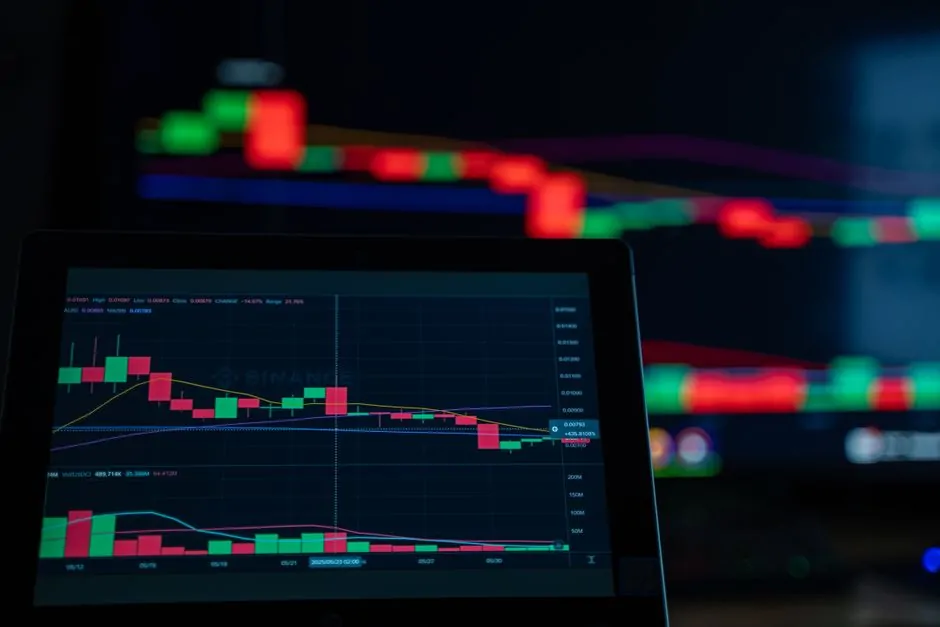
Comparative regional chart showing Asia-Pacific, Europe, and MENA crypto enforcement approaches
Bridging Crypto Investigations and On-Chain Forensics for Faster Freezes
Regional crypto overview: how Asia-Pacific tackled illicit flows differently, authorities combined licensing, Travel Rule implementation, exchange supervision, and rapid cooperation with banks and law-enforcement agencies.
regional crypto overview: What Europe and MENA Reveal About Enforcement Gaps
Regional crypto overview: what Europe and MENA reveal about enforcement gaps, uneven licensing, fragmented supervision, and differing sanctions implementation can create routes for criminals seeking liquidity.
How global crypto regulation Is Closing Loopholes for Cross-Border Transfers
How global crypto regulation is closing loopholes for cross-border transfers by aligning licensing, data sharing, sanctions screening, and customer-identification requirements across virtual assets providers.

Cross-border cryptocurrency payment network showing aligned compliance checkpoints between jurisdictions
Why global crypto regulation Is Converging Around Travel Rule Standards
Why global crypto regulation is converging around Travel Rule standards: originator and beneficiary information helps VASPs identify counterparties, investigate risk, and interrupt suspicious transfers before settlement.
What Chainalysis 2026 Crypto Crime Report Reveals About 2026 crypto crime Flows
How global crypto regulation treats tokenized securities across borders depends on issuance venue, investor location, transfer restrictions, custody, and whether the instrument meets local securities definitions.
Chainalysis 2026 Crypto Crime Report Versus TRM Labs Reports: What Changed?
Essential crypto regulation trends 2026 from stablecoins to tokenized assets include stronger reserve rules, institutional custody expectations, and clearer treatment of blockchain-based securities.

Institutional investor reviewing stablecoin reserves and tokenized asset compliance metrics
What Chainalysis 2026 Crypto Crime Report Reveals About 2026 crypto crime Flows
Three game-changing crypto regulation trends 2026 investors must watch are stablecoin reserve supervision, tokenized securities disclosure, and coordinated sanctions enforcement affecting liquidity and cryptocurrency prices.
Cross-Checking Chainalysis 2026 Crypto Crime Report Against TRM Labs Reports
How crypto regulation trends 2026 are influencing stablecoins adoption: credible reserves and redemption rights can encourage mainstream finance use, while ambiguous rules may suppress institutional participation.
Crypto Compliance, Crypto Investigations and the Future of Crypto vaults
Crypto compliance, crypto investigations and the future of crypto vaults are converging around stronger governance, cryptographic controls, insider-risk management, and rapid asset recovery.

Institutional crypto vault with multi-person authorization, hardware keys, and compliance monitoring screens
How Leading Firms Operationalize Crypto Compliance for Crypto vaults
How leading firms operationalize crypto compliance for crypto vaults through role-based access, transaction approval thresholds, continuous monitoring, sanctions screening, and tested incident response.
Bridging Crypto Investigations and On-Chain Forensics for Faster Freezes
How to build a definitive crypto compliance program for crypto vaults step-by-step: classify assets, map risks, assign approvals, secure keys, monitor transactions, test recovery, and review controls independently.
Proven Crypto Compliance Controls for Monitoring Tokenized securities Transfers
Proven crypto compliance controls for monitoring tokenized securities transfers include whitelist governance, beneficial-owner checks, transfer restrictions, anomaly detection, sanctions screening, and immutable approval records.
Inside Real-World Crypto Investigations That Drove 2026 sanctions designations
Inside real-world crypto investigations that drove 2026 sanctions designations, investigators linked wallet clusters, exchange services, mixers, and payment intermediaries to criminal operations and nation-state actors.
Inside High-Stakes Crypto Investigations: The IRGC crypto exchange Takedown Playbook
Inside high-stakes crypto investigations: the IRGC crypto exchange takedown playbook combines attribution, financial intelligence, legal coordination, exchange alerts, and immediate preservation of digital assets.
What Chainalysis 2026 Crypto Crime Report Reveals About 2026 crypto crime Flows
What crypto investigations reveal about sanctions evasion tactics includes proxy wallets, rapid conversions, shell entities, over-the-counter brokers, bridge transfers, and fragmented custody designed to delay detection.
Chainalysis 2026 Crypto Crime Report Versus TRM Labs Reports: What Changed?
Are crypto vaults the next frontier for institutional safekeeping? They can protect digital assets through layered controls, but security depends on governance, recovery, personnel, and continuous testing.
What Chainalysis 2026 Crypto Crime Report Reveals About 2026 crypto crime Flows
Are your crypto vaults secure? Audit cold storage against insider threats by reviewing access logs, key ceremonies, employee consent records, separation of duties, emergency recovery, and unusual withdrawal patterns.
Cross-Checking Chainalysis 2026 Crypto Crime Report Against TRM Labs Reports
Why crypto vaults governance is central to preventing crypto crime: documented authority, independent approvals, staff training, and controlled recovery procedures reduce theft, collusion, and accidental loss.
Why Tokenized securities Are Reshaping Custody and Settlement in 2026
Why tokenized securities are reshaping custody and settlement in 2026: programmable ownership and blockchain settlement can reduce reconciliation, improve auditability, and connect regulated markets with digital assets.
Cross-Checking Chainalysis 2026 Crypto Crime Report Against TRM Labs Reports
How tokenized securities offer compliant alternatives to unregulated stablecoins: regulated instruments may provide clearer ownership, disclosures, transfer controls, and settlement rights, though they do not eliminate market risk.
The Revolutionary Promise of Tokenized securities for Transparent Settlement
The revolutionary promise of tokenized securities for transparent settlement lies in shared records, programmable compliance, near-real-time finality, and improved visibility for banks, issuers, and investors.
What Comes Next After the Chainalysis 2026 Crypto Crime Report Findings
What comes next after the Chainalysis 2026 Crypto Crime Report findings is a practical shift toward risk-based monitoring, stronger stablecoin controls, faster investigations, and board-level measurement of illicit exposure.
Revisiting 2026 crypto crime Forecasts After the $158 Billion Surge
Revisiting 2026 crypto crime forecasts after the USD 158 billion surge requires stress-testing assumptions about cryptocurrency growth, stablecoins adoption, hacks, fraud, and criminal profitability.
What the Latest crypto crime report Means for Your 2026 crypto crime Exposure
What the latest crypto crime report means for your 2026 crypto crime exposure: organizations should quantify wallet, counterparty, custody, liquidity, and sanctions risks instead of relying on overall market averages.
What Chainalysis 2026 Crypto Crime Report Reveals About 2026 crypto crime Flows
How to use 2026 crypto crime data to stress-test your controls: simulate rapid chain hopping, stablecoin redemption, compromised credentials, sanctions hits, and liquidity shocks, then measure detection and response times.
Chainalysis 2026 Crypto Crime Report Versus TRM Labs Reports: What Changed?
How to turn reports into actionable controls before Q4 2026: translate findings into owners, thresholds, escalation paths, training, testing schedules, and measurable remediation deadlines.

Compliance roadmap converting crypto crime report findings into quarterly control improvements
What Chainalysis 2026 Crypto Crime Report Reveals About 2026 crypto crime Flows
Which reports should boards read first: TRM, Chainalysis 2026 Crypto Crime Report or US Crypto Policy Tracker? Start with the report matching the board decision, then compare methodology and convert findings into risk appetite and funding decisions.
Cross-Checking Chainalysis 2026 Crypto Crime Report Against TRM Labs Reports
How to turn reports into actionable risk dashboards: track exposure by asset, chain, geography, counterparty, alert severity, investigation age, freeze rate, and confirmed losses.
What the Next crypto regulation 2026 Cycle Means After Latest crypto regulatory changes
What the next crypto regulation 2026 cycle means after latest crypto regulatory changes is greater scrutiny of stablecoins, tokenized securities, custody, and cross-border transfers, with compliance evidence becoming commercially important.
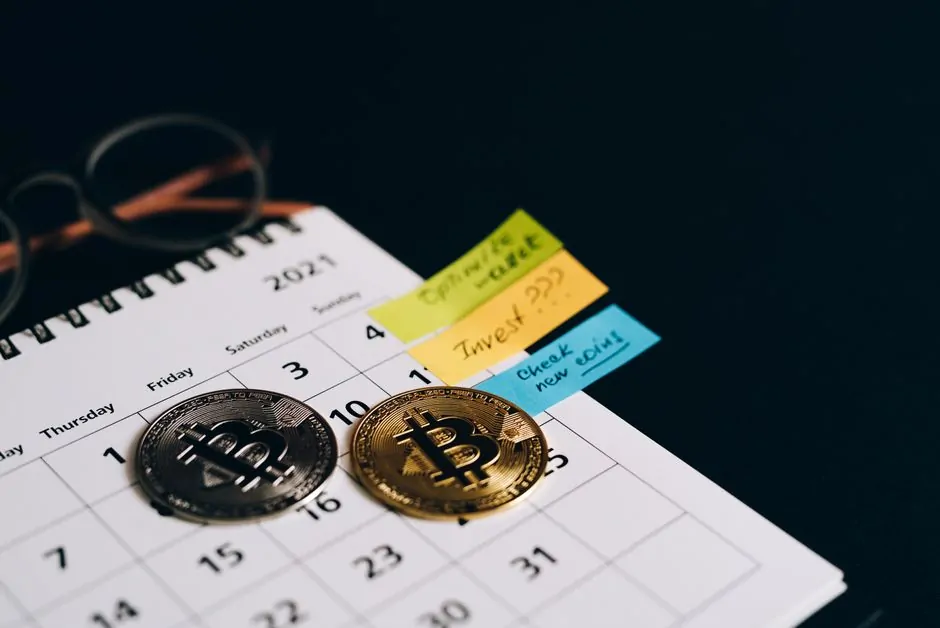
Regulatory planning calendar showing upcoming cryptocurrency rulemaking, consultations, and compliance deadlines
Cross-Checking Chainalysis 2026 Crypto Crime Report Against TRM Labs Reports

What 2026 holds for illicit crypto flows after TRM findings: criminal groups may pursue stablecoins, bridges, DeFi, and offshore exchanges, while improved blockchain intelligence should increase detection and asset recovery.
Is Your Business Ready for the Next Wave of crypto crime Threats?
Is your business ready for the next wave of crypto crime threats? Test customer onboarding, wallet screening, transaction monitoring, incident response, vendor controls, and senior-management reporting before exposure becomes loss.
How US Crypto Policy Tracker Insights Help Navigate crypto regulatory changes
How US Crypto Policy Tracker insights help navigate crypto regulatory changes by giving firms a structured view of agency action, legislative movement, enforcement risk, and implementation timing.
Why the US Crypto Policy Tracker Is Essential for Anticipating crypto regulatory changes
Why the US Crypto Policy Tracker is essential for anticipating crypto regulatory changes: timely monitoring lets issuers, banks, custodians, and exchanges update policies before new obligations affect operations.
How crypto regulatory changes Will Impact stablecoins and Tokenized securities Issuers
How crypto regulatory changes will impact stablecoins and tokenized securities issuers: firms should prepare for reserve disclosures, redemption controls, investor protections, transfer restrictions, AML oversight, and stronger SEC scrutiny.