Quick Summary: This review compares MetaMask, Trezor, and Trust Wallet, concluding that the key difference is where private keys live: online with MetaMask and Trust Wallet, offline with Trezor. MetaMask is best for Ethereum DeFi on desktop, Trust Wallet for mobile multi-chain use, and Trezor for long-term cold storage, with the MetaMask-Trezor pairing offering the best of both. Most of 2025’s $4.04 billion in crypto theft hit hot wallets, so pairing a hot wallet with a hardware device is recommended for security.
This crypto wallets review is not about which app supports more coins. The real question is simpler: do your private keys sit on an internet-connected phone or browser, or stay locked inside a Trezor device until you physically approve each transaction? That one difference separates convenience from cold storage. Having tested MetaMask, Trust Wallet, and the MetaMask-Trezor pairing across real transactions, we break down which setup fits how you actually trade. This crypto wallets review also shows when the MetaMask-Trezor combo beats both apps alone.
How MetaMask, Trezor, and Trust Wallet Handle Custody and Security
All three wallets are non-custodial, so you own the private keys and the recovery phrase. The real difference is where those keys live: online with MetaMask and Trust Wallet, offline with Trezor.
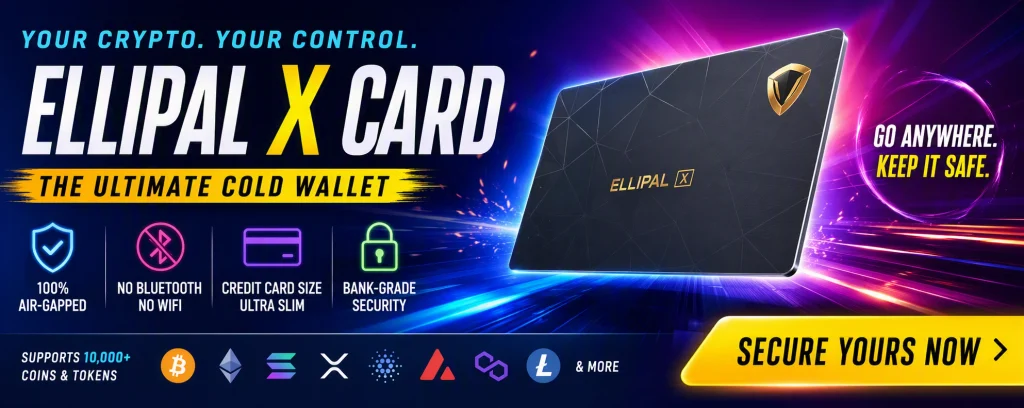
Crypto Wallets Review: I use Ellipal The below wallet.
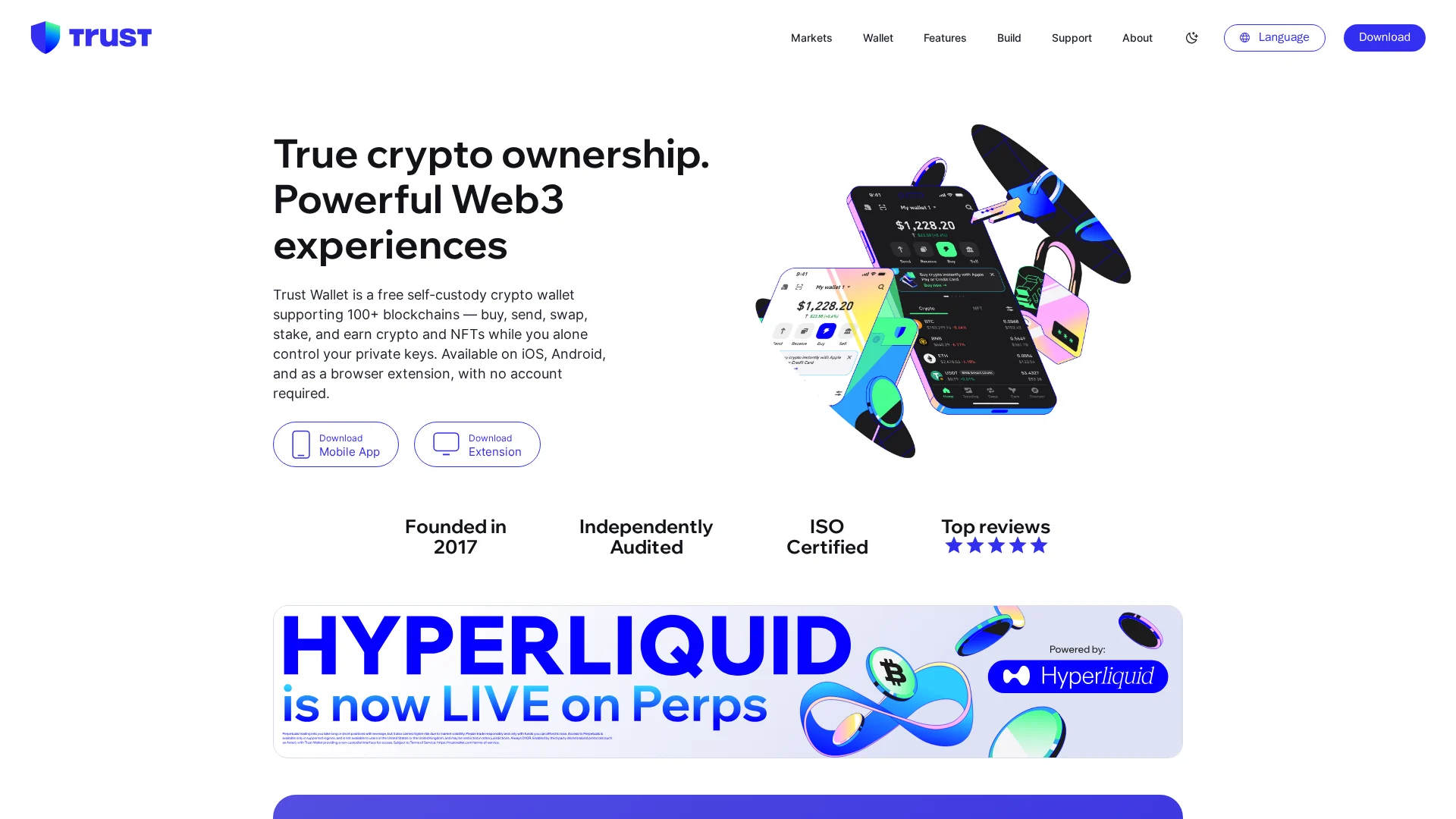
MetaMask and Trust Wallet: Convenient, but Online
These are hot wallets. Your keys sit in your browser or phone, connected to the internet. That makes swaps, dApps, and token launches fast, but it also exposes you to phishing, fake apps, and device malware. Most people use them for small, active balances.
Offline Keys With More Signing Friction
Trezor keeps your seed phrase and keys on a dedicated device that stays offline. Signing happens on the hardware itself, so malware on your computer cannot touch your keys. The cost is friction: you plug in the device and confirm each transaction. Cold storage suits large, long-term holdings; side-by-side security comparisons consistently rate hardware wallets higher on attack resistance. Many investors pair the two: hot wallet for daily use, Trezor as the vault.
Also Read: Discover 1000x Altcoins: Barsik Coin & Pnut Coin Insights
Which Wallet Performs Best for DeFi, dApps, and Multi-Chain Use?
For Web3 apps, MetaMask wins on desktop. For chains, Trust Wallet wins on breadth. Neither is “best” overall – it depends on where you spend your time.
MetaMask for EVM Web3 Access
MetaMask is the default wallet on most Ethereum-based apps. It works with virtually every EVM dApp, including Uniswap, Aave, and major NFT marketplaces, and developers test against it first. You can add custom networks like Polygon, Arbitrum, and Base, plus pair it with a Trezor for safer signing. If DeFi is your main activity, this is your tool.
Trust Wallet for Mobile Multi-Chain Activity
Trust Wallet handles more than 100 blockchains natively, including Bitcoin, Solana, and Cosmos – no bridges or workarounds. Its built-in dApp browser and native staking make it the smoother pick on a phone. Swap fees run about 0.7%, slightly under MetaMask’s 0.875%.
| Use Case | Best Pick |
|---|---|
| Desktop DeFi on Ethereum | MetaMask |
| 100+ chains in one app | Trust Wallet |
| Cold-storage signing | MetaMask + Trezor |
Also Read: Crypto Wallet Security Guide: Protect Your Assets From Common Threats
Pros and Cons of MetaMask, Trezor, and Trust Wallet
Each wallet wins in a different spot. Here’s the honest breakdown.
| Wallet | Pros | Cons |
|---|---|---|
| MetaMask | Best EVM and dApp support, free, pairs with Trezor | Phishing and malware risk, swap fees |
| Trezor | Keys stay offline, open-source firmware, top security | Costs money, slower for daily use |
| Trust Wallet | Free, 100+ chains, great mobile app | Mobile-only, hot-wallet risks |
Hot wallets took the biggest hits in 2025: most of that year’s $4.04 billion in crypto theft came from internet-connected wallets, not cold storage. That’s why many users pair MetaMask with a Trezor – browse with the app, sign on the device.
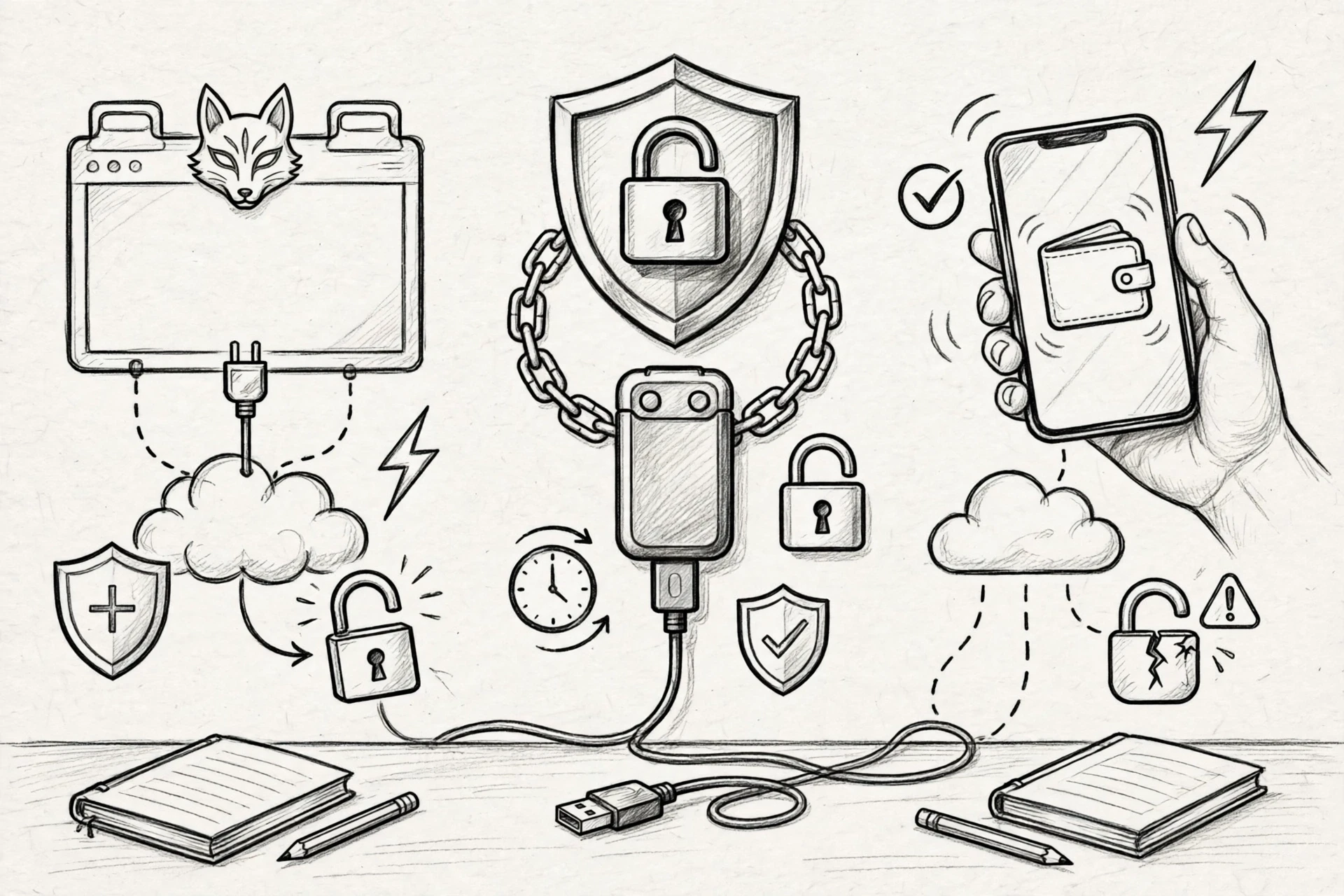
The right answer depends on your setup: daily DeFi, long-term storage, or both.
Also Read: Crypto Cobra Blog: Crypto News, Reviews & Market Insights
Which Wallet Should You Choose?
Match the wallet to what you actually do:
- Daily dApps and DeFi: Use MetaMask. It’s the fastest way to trade and test new protocols.
- Mobile-only, multi-coin holding: Use Trust Wallet. Everything lives in one app on your phone.
- Long-term savings: Use a Trezor. Your keys stay offline, away from hacks.
- Best of both: Pair MetaMask with Trezor. Sign transactions with hot-wallet convenience while keys stay cold.
A quick decision table:
| Your Situation | Best Pick | Why |
|---|---|---|
| DeFi power user | MetaMask | Broadest dApp support |
| Beginner on a phone | Trust Wallet | Simple, free, multi-chain |
| Storing large amounts | Trezor | Offline key protection |
The FBI warns that fake wallet apps and phishing sites steal crypto from users who rush setup, so verify downloads before you fund any wallet.
Start small. Test each wallet with a tiny amount first.


Ready to pick the right wallet and use it safely? Get in-depth wallet guides and market analysis at Crypto Cobra – free, practical, and built for self-custody.
Frequently Asked Questions
Q1: Review popular wallets so readers can compare features, custody, and ease of use.
This review compares MetaMask, Trezor, and Trust Wallet on custody, features, and ease of use, so you can pick a hot wallet, cold wallet, or both with confidence.
Q2: Can I use MetaMask with a Trezor?
Yes. Connect your Trezor to MetaMask to sign transactions offline while keeping the convenient browser interface.
Q3: Which wallet is safest for beginners?
Trezor, because keys stay offline. Pair it with MetaMask for daily use and extra protection.
Conclusion
These three wallets solve different problems. MetaMask leads for Ethereum DeFi, Trust Wallet suits mobile multi-chain users, and Trezor protects long-term holdings offline. Match the wallet to the job, never the marketing.