NEAR Protocol emerged as a significant force in the decentralized landscape, championed by visionaries like Illia Polosukhin who prioritize user-centric design. By effectively utilizing sharding, this innovative blockchain ensures that scalability meets the demands of a high-frequency agent economy while maintaining a robust smart-contract framework.

Users exploring the platform often turn to detailed analytical cryptocurrency news reports to understand the underlying infrastructure that facilitates these high-performance operations. As the industry evolves, the integration of new paradigms allows developers to build sophisticated applications that were previously impossible on legacy chains. The focus remains on delivering a seamless bridge between traditional web structures and the decentralized future, ensuring that the network can handle massive throughput without sacrificing security. Whether you are a developer looking to deploy complex dApps or an investor tracking market cap shifts, the current growth trajectory underscores the necessity of efficient Layer-1 solutions.
Tracing the Origins and Blockchain Evolution of NEAR Protocol Infrastructure
Tracing the origins and evolution of NEAR Protocol infrastructure reveals a commitment to the Transformer architecture that sets it apart from traditional systems. The platform was built to address the scalability trilemma by introducing a unique sharded architecture, which effectively divides the workload across independent nodes. This design philosophy was heavily influenced by pioneers like Alexander Skidanov, who helped move the project from theoretical research to a production-grade blockchain. When analyzing early developments, observers often reference historical blockchain innovation analysis tools to gauge the massive technical progress made since its initial funding by industry heavyweights like Metastable Capital. The transition from a research-heavy project to a live ecosystem involved immense engineering rigor, particularly in ensuring that nodes could communicate efficiently without overloading the network. By prioritizing modularity, the protocol ensures that it can adapt to future upgrades, maintaining its status as a leading contender in the layer-one space.
Foundational Philosophy and Early Blockchain Development
Foundational philosophy and early blockchain development at the project revolved around creating a user-friendly decentralized platform that felt as intuitive as current web applications. The creators recognized that for mainstream adoption to occur, the barriers to entry needed to be significantly lowered through improved account management and simplified transaction flows. This vision brought the team to work closely with groups like Andreessen Horowitz to establish a sustainable economic model that benefits both long-term token holders and active developers. By embedding the principles of open-source collaboration, the project fostered a robust developer culture that values transparency and iterative security. This core belief in accessibility remains a driving force today, guiding the network as it expands its reach into new global markets while staying true to its original decentralized ethos.
The Initial Tech Stack Behind Decentralized Scaling
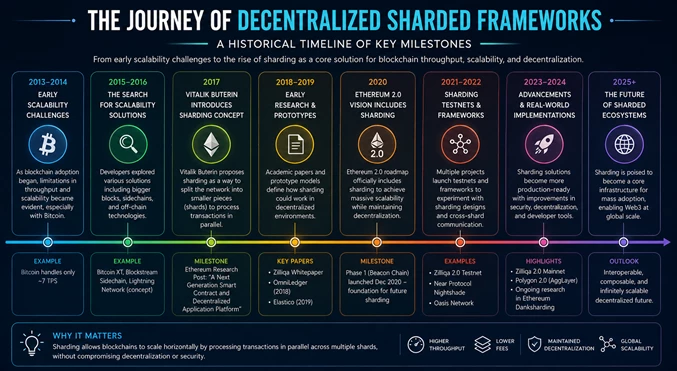
The initial tech stack behind decentralized scaling leveraged the power of sharding, a primary innovation that makes the system unique among its peers. By partitioning the state into smaller pieces, the protocol allows multiple nodes to process transactions concurrently, significantly increasing throughput compared to platforms like Ethereum. This technical decision was critical for supporting a modern agent economy that relies on high-frequency, low-latency interactions across the global web3 stack.
Why Governance Matters for Modern Distributed Networks
Why governance matters for modern distributed networks becomes clear when looking at the need for continuous upgrades to remain competitive in a fast-paced market. Effective governance ensures that the community can vote on key protocol changes, maintaining the integrity and long-term viability of the network tokens. This collective decision-making process is essential for maintaining trust as the platform grows in complexity and scale.
Key Milestones Toward the Mainnet Launch
Key Milestones Toward the Mainnet Launch represent the culmination of years of dedicated research by Illia Polosukhin and Alexander Skidanov to build a truly scalable blockchain. The protocol transition began with the creation of the underlying Transformer architecture, which provided the engine for high-throughput computations necessary for modern decentralized applications. By fostering a community-led development cycle, the NEAR Collective successfully navigated the complexities of launching an independent Proof of stake chain. The roadmap moved from private testnets to a fully functional mainnet, ensuring that developers had parity-ready smart contracts before full deployment. This rigorous phased approach allowed the team to integrate sharding mechanisms, which are essential for maintaining low costs and high transaction speeds. As the network grew, these milestones paved the way for institutional backing from firms like Andreessen Horowitz and Metastable Capital, providing the financial runway to finalize the infrastructure. Today, these early developmental achievements serve as the bedrock upon which the current ecosystem operates, supporting a global network that values speed, developer efficiency, and long-term blockchain stability.
Why Governance Matters for Modern Distributed Networks
Establishing the Core Ledger Architecture was critical for NEAR to distinguish itself from legacy Eth implementations by focusing on a sharded design from the ground up. This architecture utilizes a technique known as Nightshade, which allows the blockchain to process transactions in parallel across multiple shards without sacrificing the security of the overarching network. By prioritizing a sharded structure, the protocol prevents the bottlenecking that typically hampers single-chain designs, ensuring that the ledger remains efficient as the user base expands. This foundational design empowers developers to build complex decentralized applications that require instantaneous settlement and reliable state updates across the entire ecosystem. The integration of sharding ensures that the validator nodes do not need to process every transaction, which massively improves the overall throughput of the system. By maintaining a modular design, the protocol provides a unique environment for Cloud computing applications that need to bridge the gap between traditional enterprise software and decentralized finance. This structural innovation remains the primary driver of the network’s capacity to handle millions of concurrent user activities.
Scaling Through Robust Infrastructure Design
Scaling Through Robust Infrastructure Design involves leveraging sophisticated proof-of-stake consensus mechanisms that optimize for both speed and energy efficiency. By focusing on a lean, asynchronous process for state changes, the protocol ensures that the sharded architecture can scale dynamically as the demand for digital assets surges. This infrastructure design does more than just increase transaction volume; it provides a stable environment for cross chain execution, allowing assets to move freely between different ledger environments without inherent friction. Furthermore, the protocol is built with future-proofing in mind, utilizing quantum-adaptive cryptography that protects against emerging threats that could compromise older blockchain paradigms. This level of security is augmented by the deployment of hardware-enforced TEEs, which add an extra layer of protection for sensitive operations on the blockchain. As decentralized application demand grows, this robust design ensures that costs remain predictable for the developer, creating an environment where high-volume utility can flourish without the risks of network congestion or elevated transaction fees during peak periods.
Analyzing the Agent Economy and Currency Utility
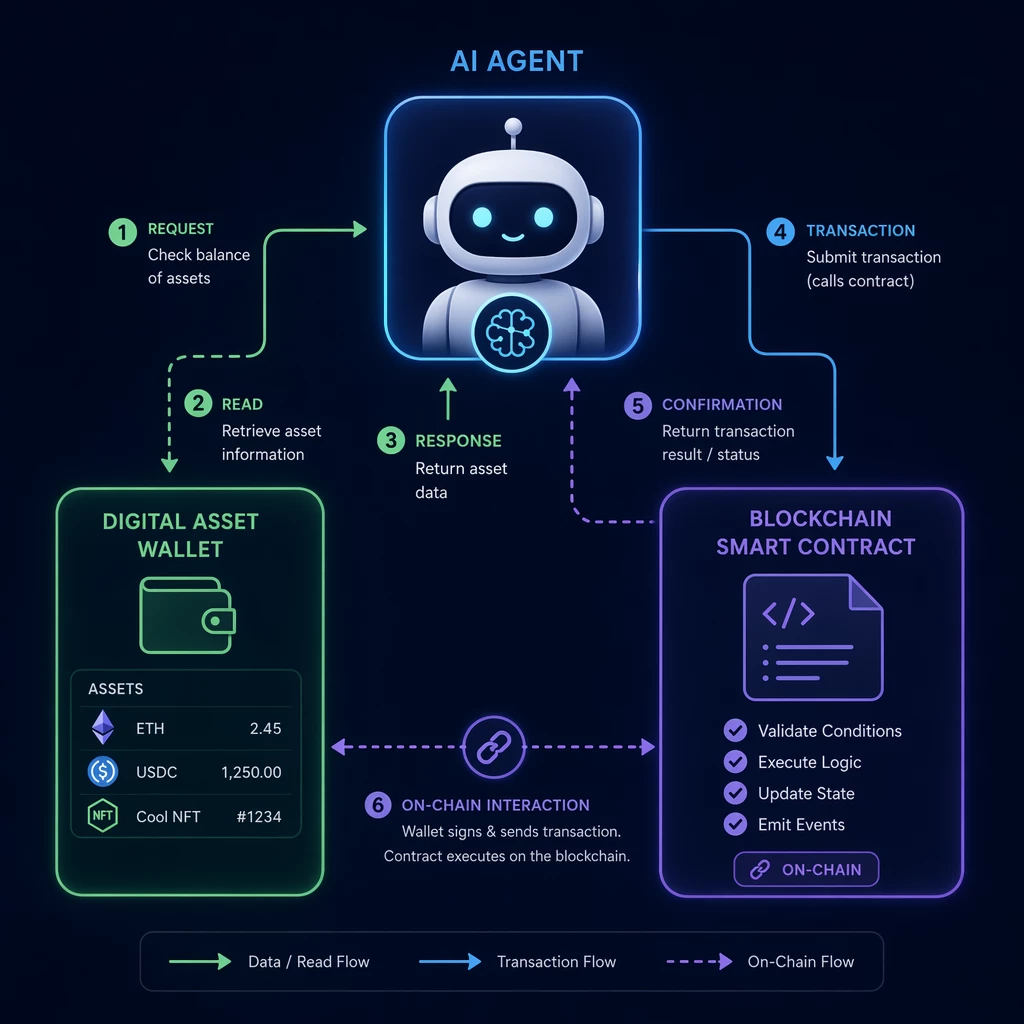
Analyzing the agent economy and currency utility reveals the transformative potential of artificial intelligence combined with blockchain efficiency. The platform is designed to support autonomously managed digital assets, which are critical for the next wave of Web3 applications. Investors frequently consult strategic web development and mastery guides to understand how these agents interact with smart contracts to execute complex financial strategies. By enabling sophisticated automation, the protocol facilitates real-time data processing and decision-making for a wide array of users, from hobbyists to enterprise-level developers. The utility of the token extends well beyond simple value transfer; it serves as a governance tool and a necessary fuel for the underlying network operations. As the agent economy matures, more participants are looking to leverage these tools to automate their participation in the decentralized marketplace, seeking efficiency without sacrificing the security provided by a robust, battle-tested ledger.
How NEAR Intents Shape Digital Asset Exchanges
How NEAR intents shape digital asset exchanges by allowing users to specify desired outcomes rather than manual steps, which fundamentally alters the user experience. By utilizing an intent-based architecture, the network enables more efficient Cross chain execution and reduces the risk of errors commonly associated with complex manual trading setups. Many enthusiasts find that using tools found on sites like specialized digital asset exchange reviews helps them better interpret the benefits of these streamlined processes. This methodology empowers users to manage their digital assets with greater confidence, as the system intelligently routes transactions to achieve the best possible performance or cost settings. The shift toward intent-centric design represents a significant step forward in making decentralized finance feel as accessible as traditional digital banking, effectively removing technical hurdles for the average user without compromising the underlying security of the protocols.
Why Governance Matters for Modern Distributed Networks
Streamlining transactions with automated agent economy tools is achieved through highly efficient code execution that minimizes latency within the network. These automated tools allow users to set specific parameters for their transactions, creating a seamless and reliable environment for participating in the global web3 ecosystem. This innovation is key to the network’s ongoing strategy for handling increased volume while maintaining performance.
Tracking Real-time Market Stats for Asset Performance
Tracking real-time market stats for asset performance allows investors to monitor the circulating supply and total market cap with extreme precision. Data-driven decision-making is heavily supported by the network’s transparent nature, where every token movement and smart-contract interaction is verifiable on-chain. This observability builds deep, lasting trust among participants who demand accountability and accuracy from their primary investment platforms.
Securing the Currency Ecosystem with Private Inference
Securing the Currency Ecosystem with Private Inference is a priority for the NEAR protocol, particularly as the network integrates advanced AI tools like Venice AI to personalize the user experience. By utilizing privacy-preserving computations, the network can run decentralized inference tasks without exposing the raw data under its Privacy Policy protections. This is essential for the burgeoning agent economy, where autonomous smart contracts perform tasks on behalf of users in a secure, verifiable manner. Implementing confidential computing frameworks ensures that financial calculations and personal user data remain partitioned from the public ledger, bolstering trust among institutional and retail participants alike. Furthermore, the network’s commitment to protecting user assets through encrypted state transitions allows developers to create sophisticated financial tools that adhere to strict data security standards. When private inference is combined with the protocol’s high-performance throughput, the resulting ecosystem becomes an ideal hub for private financial transactions that perform exactly as intended, free from the prying eyes of external analyzers or bad actors seeking to exploit transparent data trails.
Advanced Privacy Features for Financial Transactions
Advanced Privacy Features for Financial Transactions on the protocol are primarily anchored by the implementation of Confidential Mode, which provides a layer of pseudonymity for users interacting with the blockchain. Unlike traditional public ledgers where every wallet movement is easily traceable, these features allow users to conduct transfers while masking specific inputs, adhering to the standard set by the latest Terms of Service. This functionality is critical for both the individual investor seeking to protect their financial footprint and for enterprises requiring privacy in their institutional-grade smart contracts. By utilizing zero-knowledge cryptographic proofs, the network ensures that while transactions remain valid and verifiable by the consensus nodes, the specific asset details remain private. These protections are essential for maintaining the competitive advantage of organizations deploying on the protocol. As the network continues to iterate, these privacy features will play a pivotal role in ensuring that users can engage with global web3 applications with the same level of discretion they have become accustomed to in traditional digital banking systems.
Establishing the Core Ledger Architecture
Balancing Anonymity with Network Compliance Standards remains a delicate challenge that the protocol addresses through transparent governance and robust legal frameworks. While users enjoy the benefits of decentralized technology, the platform also provides clear protocols for integrating identity verification and regulatory adherence. By incorporating configurable compliance hooks into the blockchain design, developers can ensure that applications built on the network follow regional rules, including those related to Cookie Use and local financial laws. This dual approach helps mitigate risks for businesses operating across multiple jurisdictions, as it offers a pathway to participate in the decentralized economy without violating state mandates. Furthermore, the protocol’s governance structure allows the community to debate and refine these compliance standards, ensuring that they evolve alongside the changing regulatory landscape. This proactive engagement results in a mature ecosystem that bridges the gap between the permissionless nature of cryptocurrency and the essential requirements of modern global finance, thereby protecting the network and its users from potential negative legal exposure.
Market Trends and the Price History of NEAR Tokens
Market trends and the price history of NEAR tokens reflect the broader volatility of the cryptocurrency sector while highlighting specific project-based growth drivers. Investors looking at the performance of this asset often use resources like market trend and data interpretation portals to identify patterns that might indicate future movement. Understanding the historical price cycles is crucial for those hoping to navigate the periodic peaks and troughs that characterize the current digital finance landscape. By looking at long-term accumulation strategies, holders gain a better perspective on how the protocol manages its token distribution and deflationary pressures. The historical data indicates that while the price has experienced significant swings, the underlying development of the infrastructure has remained consistently focused on long-term sustainability and utility. This steady progress is a major contributor to its current market positioning among the top tier of performant blockchains available to investors today.
Navigating Volatility and Historical Price Cycles
Navigating volatility and historical price cycles requires a disciplined approach, especially when dealing with the high-speed dynamics of a rapidly evolving digital ecosystem. By maintaining focus on core utility metrics and network adoption rates rather than short-term price movements, investors can better weather periods of heightened uncertainty. For those seeking a professional aesthetic or uniform look within their own branding efforts, looking into quality custom badge manufacturing can sometimes offer a metaphor for establishing professional identity and trust. It is always wise to remember that while the technology is groundbreaking, the market remains highly reactive to external news and global economic shifts. Being prepared for volatility is part of the experience, and those who remain anchored to the project fundamentals are often better positioned to capitalize on opportunities when they emerge from the cycles of market expansion and contraction.
Lessons from the All Time High Performance Peaks
Lessons from the all time high performance peaks suggest that sustained value comes from real-world usage and robust ecosystem growth rather than speculative fervor. When the network reaches record levels of activity, it serves as a stress test for the architecture, validating the decision to utilize sharding. These peak moments highlight where the system performs best and where it needs continued iterative development.
Establishing the Core Ledger Architecture
Using a DCA calculator for long-term investment strategies allows participants to smooth out the effects of market fluctuations over extended time horizons. By consistently adding to their positions, users reduce the emotional fatigue associated with timing the market peaks and bottoms. This strategy is highly recommended for those interested in building wealth through a disciplined, predictable, and sustainable investment approach in the decentralized space.
Key Milestones Toward the Mainnet Launch
Factors Influencing Cryptocurrency Valuation are diverse, ranging from macroeconomic trends and the circulating supply of native tokens to the actual utility provided by the protocol infrastructure. Market participants closely monitor the tokenomics of the network, as the supply schedule often impacts long-term price action and investor sentiment. Beyond mere speculation, the market cap often reflects the adoption rate of the decentralized application ecosystem and the quantity of assets held within the network’s House of Stake. The ability of the protocol to attract developers through superior tools like Skyward Finance creates a self-reinforcing cycle of value, where increased activity leads to higher demand for the underlying tokens. Additionally, the integration of new technological features, such as enhanced enforced TEEs, can act as a catalyst for growth by drawing in risk-averse capital. When evaluating the asset, investors must consider not only the current pricing but also the potential for the network to maintain its dominant position amidst the fierce competition inherent in the broader global web3 blockchain market.
Establishing the Core Ledger Architecture
Comparing NEAR Trends Against Robinhood Trading Data provides an insightful look into how retail sentiment intersects with platform-specific growth indicators. While trading platforms like Robinhood offer high accessibility for the masses, the underlying demand on a specialized protocol depends heavily on unique use cases, such as the deployment of complex smart contracts or high-frequency cross-chain execution. Robinhood data often reflects broad market sentiment or speculative trends, whereas internal protocol analytics reveal deeper engagement metrics, such as the total volume of daily active users performing tasks within the ecosystem. Differences in these datasets often indicate a discrepancy between passive holding and active network participation. As users migrate from centralized exchanges toward decentralized wallets to take advantage of staking rewards or direct governance, the divergence becomes more pronounced. Understanding this dynamic helps analysts distinguish between hype-driven price surges and fundamental growth driven by users who are actively engaging with the protocol’s technology to participate in the burgeoning agent economy or other web3 applications.
Scaling Cryptocurrency Through Robust Infrastructure Design With Newly Kraken Registration
Evaluating Liquidity on Exchanges Like Kraken is vital for large-scale institutional investors and active traders who need to move capital without triggering massive price slippage. High liquidity on major exchanges ensures that the spot price of the native token remains stable, which is a major factor for institutions looking to allocate capital into the protocol. Furthermore, liquid markets facilitate the rapid entry and exit of positions, which is essential for complex DeFi strategies like yield farming or asset management through decentralized platforms. When analyzing liquidity, stakeholders often look at depth charts and order book consistency, which correlate with the confidence traders have in the asset’s long-term stability and market demand. As more institutional participants join the infrastructure through initiatives like Metastable Capital, exchange depth tends to increase, lowering transaction costs across the board. This healthy liquidity environment serves as a testament to the protocol’s maturity and its ability to act as a reliable financial layer for digital assets in the global crypto marketplace.
Public Perception and External Criticism of Cryptocurrencies
Public perception and external criticism of cryptocurrencies often center on security concerns and the perceived lack of professional standards compared to traditional banking. To combat this, builders focus on education and rigorous adherence to a transparent Privacy Policy to ensure that individual data remains protected while the network remains open. When communicating brand values, even smaller businesses might seek inspiration from services like high-quality professional creative design services to ensure their external output communicates that same level of commitment. The industry has worked hard to address misconceptions regarding energy consumption, legal compliance, and the actual utility of blockchain technology in modern life. By proactively engaging with regulators and the broader public, the community is moving toward a future where decentralized finance is recognized for its transparency and security. The ongoing success of this effort depends on the ability to demonstrate, through clear and verifiable actions, that the network is built on a foundation of integrity and commitment to excellence.

Key Milestones Toward the Mainnet Launch
Addressing common concerns within the industry remains a primary focus for developers who value network sovereignty and user protection. Many fear that the complexity of modern technology will lead to risks, but by implementing enforced TEEs, the network adds a layer of protection that bridges the gap between trust and decentralized execution. This commitment to security often requires strict adherence to internal compliance standards to ensure that all participants are operating within a safe and verified environment. By making the infrastructure more resilient to quantum-adaptive threats, the project is positioning itself as a leader in long-term secure digital computing. These efforts serve to silence skeptics who equate lack of central control with a lack of security, effectively proving that a decentralized system can be safer than its centralized counterparts while maintaining the agility needed to lead the market, ultimately supporting the growth of the agent economy.
Establishing the Core Ledger Architecture
Countering criticisms regarding sustainable tech stack reliability involves providing transparent proof of network uptime and throughput efficiency across all shards. The community relies on verifiable data to show that the system is not only functional but actually superior to legacy models in terms of reliability. Continuous deployment and rigorous testing cycles further prove that the architecture is designed for long-term endurance rather than short-term gains.
Scaling Through Robust Infrastructure Design
Public discourse on X and community sentiment alignment play an outsized role in shaping the perception of the project. By fostering open, honest conversations, the team can address FUD quickly and keep the community focused on the technological advancements that matter. This active engagement strategy is fundamental to building a long-term, loyal user base that deeply understands the mission.
Regulatory Challenges Facing Blockchain and Digital Finance
Regulatory Challenges Facing Blockchain and Digital Finance are increasingly becoming the focal point for all decentralized projects operating within a globalized environment. As agencies worldwide work to clarify the legal status of digital assets, projects must ensure that their operations meet the highest standards of compliance while protecting the essential, decentralized nature of the network. This includes maintaining clear protocols for user sign up processes, clear adherence to anti-money laundering policies, and providing transparent reporting to satisfy jurisdictional requirements. The protocol serves as a standard-setter here, utilizing a proactive approach to dialogue with regulators about the utility of blockchain infrastructure in Cloud computing and financial services. By fostering an environment where innovation is not hindered by overly restrictive legislation, the network aims to provide a safe, scalable pathway for the mass adoption of decentralized tools. Ultimately, navigating these regulatory hurdles allows the project to build long-term sustainability, creating a legitimate foundation for anyone choosing to build, invest, or participate in the future of the digital economy.
Scaling Through Robust Infrastructure Design
Navigating compliance requirements for global adoption remains a cornerstone for the NEAR Protocol as it scales across diverse international jurisdictions. By establishing a robust user agreement and transparent Terms, the project ensures that its decentralized network aligns with emerging global financial standards. The integration of rigorous Privacy Policy documentation and clear guidelines regarding Cookie Use provides developers and institutional investors with the legal clarity necessary to support large-scale enterprise deployments. Because the protocol prioritizes institutional-grade compliance, it actively engages with regulators to demonstrate how its sharded architecture supports secure execution without sacrificing the core tenets of sovereignty. This proactive stance on legal frameworks helps mitigate the broader concerns faced by the decentralized sector while positioning the ecosystem as a trustworthy partner for traditional finance. As NEAR continues to expand, maintaining strict adherence to multi-jurisdictional compliance ensures that the platform remains a reliable bedrock for global web3 applications, effectively bridging the gap between innovative blockchain technology and established financial oversight requirements for long-term project sustainability.
Improving Transparency in Decentralized Governance Frameworks
Improving transparency in decentralized governance frameworks is essential for maintaining the integrity and long-term viability of the NEAR ecosystem as it moves toward mass adoption. Through the NEAR Collective, stakeholders participate in a collaborative approach to decision-making that prioritizes open communication and verifiable consensus. By implementing sophisticated tracking mechanisms for smart-contract upgrades and budget allocations, the protocol provides a clear audit trail that allows every token holder to understand how the network evolves. This commitment to oversight is further bolstered by public documentation of governance proposals, ensuring that every participant, from individual stakers to venture partners, holds a clear view of the protocol development cycle. By fostering a climate of radical openness, the project reduces the information asymmetry often associated with complex distributed systems. This rigorous focus on internal honesty and external accountability protects the community from bad actors while strengthening the trust needed to support the next generation of decentralized applications in an increasingly complex and regulated digital landscape.
The Roadmap for Global Adoption and Future Potential
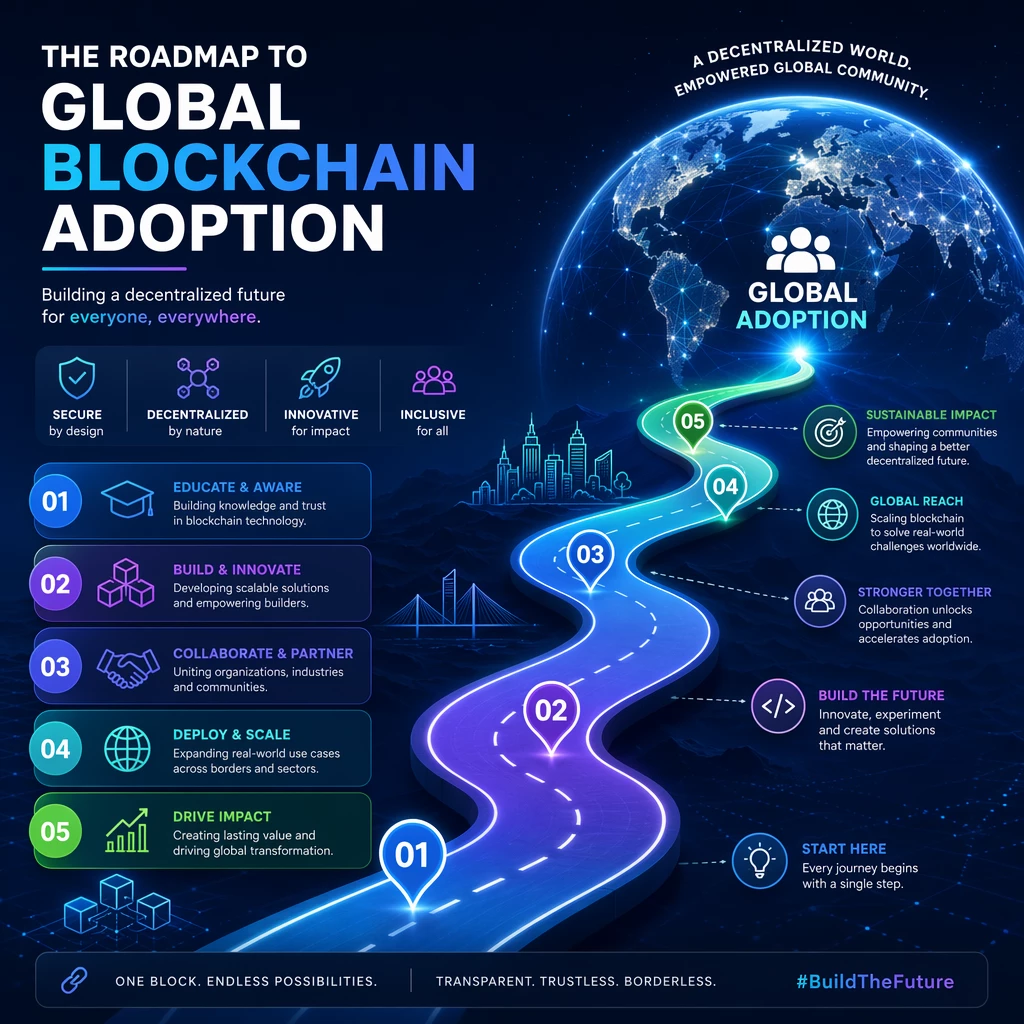
The roadmap for global adoption and future potential hinges on the ability to provide a user experience that matches the slickness of traditional financial applications while maintaining true decentralization. Expanding the reach requires seamless integrations, better wallet management, and simplified sign up processes that cater to users who are new to the blockchain concept. The goal is to make the technology disappear into the background, where users benefit from faster transactions and lower fees without even needing to understand the underlying complex, sharded infrastructure. Future potential rests on the scalability of the current protocols and the successful migration of businesses away from legacy cloud computing models. As the ecosystem continues to grow, there will be more emphasis on regulatory compliance and the integration of advanced tools that ensure a smooth transition to a fully decentralized economy. This evolution is happening now, and the project is at the forefront of the charge, providing the essential infrastructure for a future that is more secure, inclusive, and efficient for everyone involved.
Expanding the NEAR Protocol Reach and Integration
Expanding the NEAR Protocol reach and integration will likely move into more varied business sectors beyond standard finance, including supply chain management and identity verification. Each new integration strengthens the overall network, as more applications utilize the token for daily operations and secure transactions. By lowering the entry barrier, the team is successfully broadening access to developers across different regions, fostering a truly international ecosystem that is not beholden to any single geographic influence. This global approach is what makes the technology so promising, as it creates an interconnected framework that is inherently resilient. The path forward involves continuous feedback loops with these new users, allowing the development team to refine the interface and tools to be more effective and intuitive than at any previous point in their history.
Scaling Through Robust Infrastructure Design
Bridging traditional finance with Robinhood integration represents a major step toward making digital assets liquid and accessible to the mainstream investor. By simplifying the purchase and holding process, this integration invites a massive inflow of users who might otherwise have avoided the complexities of self-custody. This is a critical milestone for increasing market penetration and legitimizing crypto as a standard asset class.
Broadening User Access Through Simplified Account Registration
Broadening user access through simplified account registration effectively removes the primary hurdle for non-technical users looking to enter the space. By abstracting away complex key management tasks, the protocol ensures that safety is prioritized without forcing users to become experts instantly. This shift is essential for driving the next phase of exponential growth across the entire decentralized user base.
Final Thoughts on Scaling the Agent Economy for Everyone
Final thoughts on scaling the agent economy for everyone indicate that the integration of Venice Artificial Intelligence and other smart tools will define the next decade of decentralized performance. By leveraging the power of a highly performant, sharded blockchain, developers can build truly revolutionary applications that benefit from near-instant settlement and low transaction costs. The path ahead is clear: continue to foster a vibrant community while maintaining the underlying security mandates of the current Terms-of-Service. As the network matures, the focus will stay on performance and security, providing an unmatched foundation for the developers who are actually building the future of the internet. It is an exciting time to be involved, watching as these pieces fit together to create a cohesive whole that empowers its users rather than exploiting them. Your journey into this ecosystem starts here, and the potential for impact is limited only by our collective vision for what a decentralized future should look like in a world that thrives on global, secure, peer networks.
Why Kraken and Other Platforms Support Ecosystem Growth
Why Kraken and other platforms support ecosystem growth becomes obvious when you see the volume and utility the token brings to their exchanges. These major platforms are invested in the long-term success of the chain because it drives activity and liquidity within their own order books. By providing easy trading pairs and supporting network upgrades, these exchanges serve as essential bridges between the traditional economic machines and the decentralized future, ensuring that capital flows efficiently toward the projects and protocols that show genuine promise, reliability, and growth in a very crowded market.
Defining the Long-term Vision for Secure Peer Networks
Defining the long-term vision for secure peer networks is centered on creating a system that is robust against internal and external attacks while remaining accessible. The technical roadmap highlights a transition toward even more resilient structures that protect assets even under the most extreme conditions. This vision serves as the north star for the entire community as it moves forward into the next stage of technical excellence.