Mobile Bitcoin mining in 2026 is mainly an access and monitoring experience rather than genuine phone-based hashing.
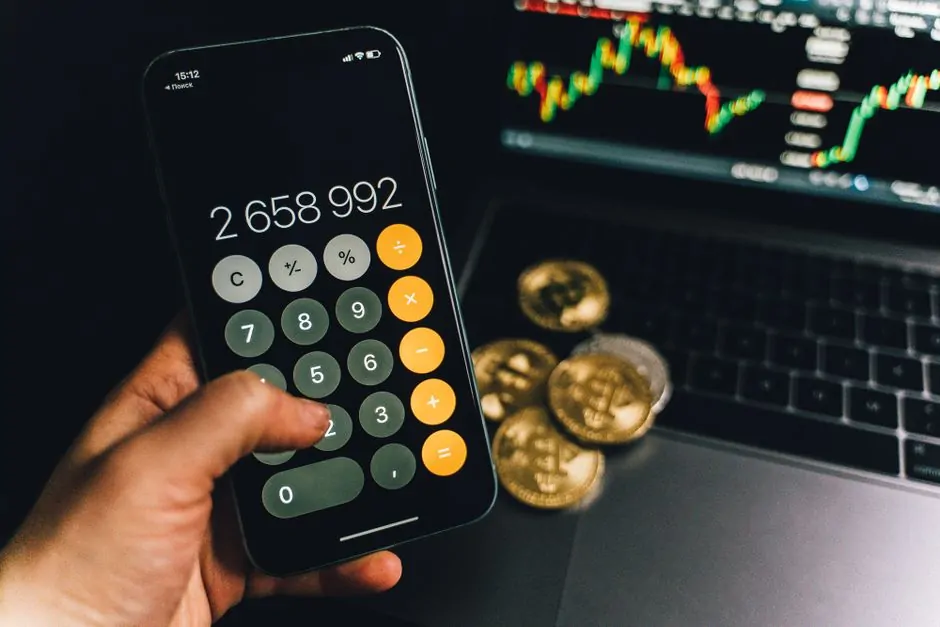
Smartphone displaying a Bitcoin mining dashboard beside ASIC miners in a professional data center
Table of Contents
2026’s Essential Bitcoin Mining Reality Check for Mobile Users
This 2026 reality check separates Bitcoin education, cloud mining access, and misleading smartphone claims. A phone cannot economically replace ASIC hardware because heat, electricity, and limited processing power make direct Bitcoin mining uncompetitive.
Comparison graphic showing smartphone limitations beside industrial Bitcoin mining equipment
Can smartphone mining deliver meaningful Bitcoin rewards?
Smartphone mining rarely delivers meaningful Bitcoin rewards because mobile processors produce negligible hash power while consuming battery and creating overheating risk. Most legitimate apps provide dashboards, referrals, education, or cloud-contract access rather than mining locally.

Bitcoin mining economics versus smartphone crypto mining capacity
Bitcoin mining economics depend on hash rate, electricity costs, hardware efficiency, network difficulty, and pool fees. Smartphone crypto mining cannot compete with professional ASIC hardware, whose specialized chips perform vastly more calculations per second.
Bitcoin app promises, mining features, and realistic returns
Bitcoin app promises deserve careful scrutiny: verify whether the application records genuine hash power, publishes payout rules, identifies its operator, and explains withdrawal thresholds. A profitability calculator should include fees, contract duration, Bitcoin price volatility, and downtime.
How cryptocurrency mining works beyond a phone screen
Cryptocurrency mining validates transactions through cryptography and proof-of-work, while specialized facilities operate ASIC hardware continuously. Mobile apps may let users view production, buy cloud mining services, or receive educational rewards, but the phone normally does not perform Bitcoin hashing.
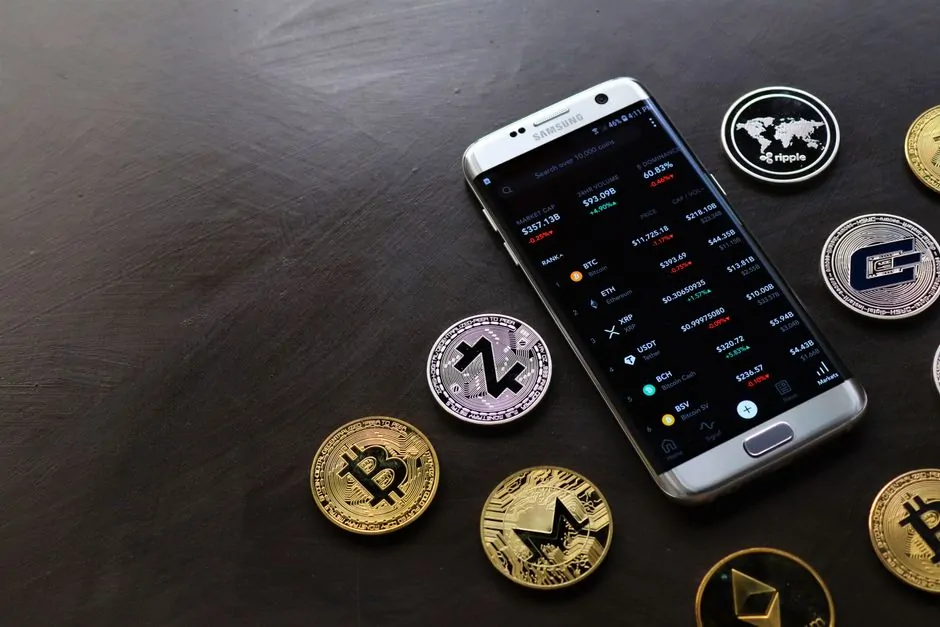
Illustrated workflow connecting a mobile app to a remote mining farm and Bitcoin network
Bitcoin app promises, mining features, and realistic returns
Cryptocurrency miners compete against network difficulty using measurable Bitcoin Mining power, usually expressed in terahashes per second. As more efficient machines join the network, weaker equipment earns less unless lower electricity costs or favorable contracts offset the disadvantage.
smartphone mining limits compared with professional Bitcoin mining
Smartphone mining limits include restricted thermal design, battery drain, operating-system controls, and negligible profits. Professional Bitcoin mining uses dedicated cooling, stable connectivity, maintenance teams, and energy contracts that phones cannot reproduce safely.
Cloud Mining and Bitcoin Apps: Which Route Fits Your Goals?
Cloud Mining and Bitcoin Apps serve different goals: an app may teach, monitor, or manage funds, while cloud mining sells exposure to remote equipment. Compare custody, contract terms, fees, payout evidence, and cancellation policies before depositing Bitcoin.

Mobile comparison screen showing cloud mining contracts, fees, payouts, and wallet controls
How Cloud Mining contracts turn remote hardware into earning potential
Cloud Mining contracts allocate a stated amount of hash power from remote facilities, but earnings depend on uptime, maintenance deductions, Bitcoin difficulty, and contract pricing. Demand verifiable facility evidence, daily production records, and clear termination rules rather than guaranteed returns.
Bitcoin app promises, mining features, and realistic returns
Cloud mining costs depend on the amount of hash power purchased, the contract duration, maintenance charges, and the Bitcoin reward rate. A credible provider should explain whether electricity, pool fees, hardware depreciation, and administration are deducted before displaying your payout. Read the Bitcoin cloud contracts carefully: some are fixed-term agreements with no refund, while others adjust output when network difficulty or BTC prices change. Look for a dashboard showing assigned hash rate, machine location or facility disclosures, payout history, contract status, and a clear profitability calculator.
Transparent mining features do not guarantee profit, but they make assumptions easier to test. Compare projected BTC rewards with electricity costs, maintenance, Bitcoin price volatility, and the provider’s minimum withdrawal threshold. Be cautious when a service promises guaranteed returns, hides its fee schedule, or focuses more on referrals than operating evidence. A trustworthy platform should also explain custody, withdrawal controls, customer support, and what happens if equipment becomes uneconomical. Treat cloud mining as a risk-bearing infrastructure product, not passive savings.
Cloud Mining pros and cons for first-time Bitcoin app users

Cloud Mining can give first-time Bitcoin app users access to mining capacity without buying ASIC hardware, installing ventilation, or managing mining farms. The main advantage is convenience: a phone can display contract performance, BTC rewards, and payout records while the physical machines operate elsewhere. It can also provide predictable budgeting when fees and contract terms are clearly stated. The disadvantages are substantial. Users usually do not control the hardware, cannot independently verify every operating claim, and may receive less Bitcoin when network difficulty rises or the market falls.
Electricity costs and maintenance deductions can consume much of the gross reward, while a long contract may become unprofitable before its end. Counterparty risk is another concern because a provider can suspend withdrawals, change terms, or fail financially. Compare cloud mining services with hash power marketplaces and direct BTC ownership rather than assuming mining is automatically superior. Start with an amount you can afford to lose, avoid borrowing, and check whether withdrawals are genuinely available before committing more funds.
What should you expect from crypto mining apps in 2026?
Crypto mining apps in 2026 should offer transparent operators, understandable permissions, documented payouts, and responsive support. Treat claims involving instant wealth, unlimited free hash power, or mandatory deposits as warning signs, especially when the application lacks identifiable ownership.
crypto mining apps with practical Download guidance
Crypto mining apps should be downloaded only from an official app store or a provider’s verified website, after confirming the developer name, privacy policy, permissions, and recent User Feedback. Search results can contain cloned applications that imitate legitimate brands and request wallet credentials, payment details, or unnecessary access to contacts and files. On iPhone, Apple’s review process reduces some risks but does not prove that an app’s earning claims are realistic.
Android users should be equally cautious with installation packages offered outside the official store. Inspect App Updates, change logs, support contacts, and the stated business model before creating an account. A genuine app may monitor cloud contracts, show mining pool monitoring data, or manage withdrawals; it generally cannot turn a normal phone into a profitable ASIC. Never enter a seed phrase into an app, and use a separate wallet when possible. Before Download, verify HTTPS on the provider’s site, enable multifactor authentication, and test customer support with a basic question. Treat flashy Rewards and referral bonuses as marketing, not proof of mining activity.
Cryptocurrency Miners, network difficulty, and Bitcoin Mining power
Bitcoin mining apps and smartphone mining claims deserve careful scrutiny because a phone lacks the processing power and energy efficiency of dedicated ASIC hardware. Apps that claim to mine Bitcoin directly may instead simulate balances, sell cloud contracts, distribute advertising income, or use a phone merely as a dashboard. Continuous computation can cause overheating, battery drain, accelerated hardware wear, and negligible profits. Some malicious applications go further by hiding Cryptojacking activity, using device resources without meaningful consent, or installing Malware that steals credentials.
Check whether the app identifies a mining pool, reports verifiable hash rate, explains payout thresholds, and separates actual BTC rewards from promotional points. Also confirm whether the service mines Bitcoin at all; Ethereum, Monero, Electroneum, and other projects use different networks and economics. A legitimate provider will not promise effortless wealth from background activity. Review permissions, monitor battery and data usage, and uninstall software that behaves unexpectedly. Remember that a mobile interface can make mining accessible without making the underlying operation profitable, secure, or transparent.
GoMining, Strategic Supporters, and the Modern Mining Model
GoMining illustrates a modern model that connects digital participation with physical BTC infrastructure, but users should independently assess token design, custody, fees, mining records, and counterparty risk. Strategic supporters may strengthen credibility without guaranteeing investment performance.
How GoMining connects digital ownership with physical infrastructure
How GoMining connects digital ownership with physical infrastructure is best understood by separating the user interface from the machines that perform proof-of-work. A participant may acquire a digital representation of hash power or a mining-related position through the platform, while ASIC hardware in professional facilities performs the calculations and contributes to a pool. The phone or browser therefore manages ownership records, contract information, and distributions rather than secretly mining Bitcoin with its own processor. This model can lower the practical barriers associated with sourcing machines, arranging cooling, negotiating electricity, and maintaining network connectivity.
It does not remove risk: operating costs, Bitcoin price changes, network difficulty, equipment failures, custody arrangements, and platform policies still affect results. Prospective users should ask how hash power is measured, whether hardware exists and is auditable, how rewards are calculated, and which fees are deducted. They should also understand whether the digital asset is transferable, non-custodial, or dependent on the platform’s continued operation. Physical infrastructure creates real capacity, but digital ownership claims require clear documentation and independently testable reporting.
GoMining’s Strategic supporters and the case for accountable growth
GoMining’s Strategic supporters can matter when they contribute more than publicity, capital, or a recognizable name. In a mining business, accountable growth should be linked to measurable improvements in hardware deployment, facility operations, treasury controls, customer reporting, and regulatory compliance. Supporters may provide expertise in finance, technology, infrastructure, or cybersecurity, but their involvement does not automatically validate a contract or guarantee BTC rewards. Users should distinguish a disclosed strategic relationship from an endorsement, investment, partnership, or operational responsibility.
Useful evidence includes named entities, the scope and date of the relationship, verifiable corporate information, and explanations of how governance works when conditions deteriorate. A mature platform should publish realistic assumptions about network difficulty, electricity costs, maintenance, and payout timing rather than relying on reputation alone. It should also maintain controls against Malware, account takeover, and unauthorized withdrawals. The strongest case for accountable growth is consistent reporting: users can understand where machines operate, how revenue is allocated, and which party bears each risk. Strategic support is valuable when it strengthens transparency and execution, not when it substitutes for due diligence.
Cryptocurrency Miners, network difficulty, and Bitcoin Mining power
Bitcoin payment protocol tools can make mining participation easier to use by connecting rewards, withdrawals, and merchant payments through familiar wallets. A user may receive BTC after a contract or mining pool records an eligible distribution, then move those funds through a wallet without surrendering private-key control to the platform. A non-custodial design can reduce counterparty exposure, although users remain responsible for backups, signing devices, and address accuracy. The payment protocol also defines how invoices, addresses, network fees, and confirmations are handled. Some interfaces advertise zero fees, but users should determine whether that means no platform charge, a subsidized withdrawal, or only a temporary promotion.
Bitcoin payments are not reversible, and on-chain settlement can take time when the network is congested. Lightning or other payment channels may provide faster transfers, but they involve different liquidity and routing considerations. For practical participation, look for clear transaction IDs, understandable fee disclosures, wallet compatibility, and support for test withdrawals. Accessible tools should simplify Bitcoin use without hiding custody, settlement, or security responsibilities.
How cryptocurrency mining works beyond a phone screen
Could Strategic supporters strengthen trust in Cryptocurrency Miners? They can, but trust should follow verifiable conduct rather than association alone. Experienced supporters may improve procurement, facility management, financial controls, or communications, helping a mining operator handle volatile Bitcoin markets and changing network conditions. A respected technology partner might also strengthen cybersecurity, while an infrastructure specialist could improve uptime and energy reporting. Even so, users must ask whether the supporter has a contractual duty, board role, ownership interest, or merely a promotional relationship. Trust increases when these details are disclosed alongside machine inventories, pool data, reward calculations, and audited or independently reviewed financial information. It also depends on how disputes, outages, insolvency, and withdrawal delays are handled.
A platform that invokes supporters but provides no operational evidence may be using credibility as advertising. Review the legal entity, jurisdiction, terms of service, risk disclosures, and complaint channels before paying. Strategic supporters can raise standards by demanding measurable accountability, but they cannot eliminate mining risk. The practical test is whether their involvement produces clearer evidence and stronger user protections over time.
Cryptocurrency Miners, network difficulty, and Bitcoin Mining power
Strategic supporters, Cryptocurrencies, and long-term operating commitments should be evaluated together because mining economics extend beyond a single market cycle. A provider needs durable access to machines, electricity, cooling, technicians, financing, and compliant payment systems. Supporters may help secure those resources, but users should examine whether commitments are documented and resilient if Bitcoin prices fall or network difficulty rises. Important questions include the expected equipment life, replacement schedule, energy source, facility jurisdiction, insurance, and policy for retiring inefficient machines. A credible operator should explain how customer rewards are calculated after maintenance, pool, and administrative deductions, and whether contracts can be modified or terminated. It should also distinguish Bitcoin exposure from exposure to other Cryptocurrencies, platform tokens, or promotional points.
Long-term confidence improves when financial reporting, security practices, and governance remain consistent during difficult periods rather than only during expansion. Prospective users should avoid treating a prominent backer as a guarantee of solvency. Assess the actual operating commitments, the provider’s ability to meet withdrawals, and the legal rights attached to any digital ownership before assuming that a multi-year mining relationship is sustainable.
smartphone mining limits compared with professional Bitcoin mining
Bitcoin payment protocol settlement and instant confirmation expectations require realistic distinctions between authorization, broadcast, and finality. A wallet can create and broadcast a transaction within seconds, but that does not mean the payment is confirmed on-chain. An unconfirmed transaction is waiting for miners to include it in a block, and the waiting time depends on network demand and the fee rate. After inclusion, one confirmation provides evidence of settlement; additional confirmations reduce the chance of a chain reorganization.
Merchants may accept low-value payments quickly, while larger transfers can require several confirmations. Services advertising instant confirmation may instead use internal ledger credit, payment-channel technology, or a risk-based approval policy, so users should ask what “instant” actually means. On-chain settlement also requires a valid address, sufficient network fee, and careful review because Bitcoin transfers are generally irreversible. A reliable app should show the transaction ID, fee, status, and confirmation count. Users seeking zero fees should check whether costs are absorbed by the platform or simply excluded from the advertised price. Speed is useful, but transparent settlement is more important.
Bitcoin Payment Protocol Basics for Safer Mobile Transactions
Bitcoin payments use cryptographic addresses, transaction inputs, signatures, network fees, and confirmations. A non-custodial wallet lets the user control keys, while on-chain settlement provides public verifiability; zero fees should never be assumed for every network transaction.
Mobile Bitcoin wallet sending a transaction with address verification and confirmation status
How cryptocurrency mining works beyond a phone screen
Bitcoin payment protocol settlement protects everyday transfers by letting a payer authorize a transaction directly to a recipient address, without requiring a bank to hold or release the funds. The network records that instruction through cryptographic signatures and validates it across distributed nodes. Once included in a block, the transfer receives a confirmation, and additional blocks make reversal increasingly difficult. This structure is useful for mobile users because a compatible wallet can create, broadcast, and display payment status from a phone. It also clarifies an important distinction: a payment screen may show that a transaction was sent, while on-chain settlement depends on network confirmation. Users should verify the destination address, amount, network fee, and transaction identifier before closing the app.
Merchants may accept an unconfirmed transfer for low-risk purchases, but larger payments should wait for an appropriate confirmation threshold. No protocol removes every risk; malware, address replacement, phishing, and mistaken transfers remain possible. Careful device security and recipient verification are therefore as important as the Bitcoin network itself.
Cryptocurrency Miners, network difficulty, and Bitcoin Mining power
Bitcoin payment protocol design supports non-custodial tools by allowing users to control private keys instead of depositing coins with an exchange or app operator. A non-custodial wallet signs transactions locally and broadcasts them to the network, so the provider generally cannot freeze a balance or recover a lost recovery phrase. That control brings responsibility: anyone with the seed phrase can spend the funds, and a forgotten phrase may be impossible to replace. Claims of zero fees need careful interpretation.
A wallet may charge zero platform fees, but the Bitcoin network still requires a miner fee for ordinary on-chain settlement, unless a separate sponsored or second-layer arrangement covers it. Read the fee policy, withdrawal minimums, spread, and conversion charges before using a service. Payment protocol details also matter when an app supports invoices, QR codes, or recurring requests. Use official software, confirm downloaded addresses through a trusted channel, and keep substantial holdings offline. Convenience should not be confused with custody, free processing, or guaranteed transaction speed.
smartphone mining limits compared with professional Bitcoin mining
Bitcoin app wallets connect mobile users to on-chain settlement by generating addresses, signing transactions, and monitoring the public ledger. When a user sends Bitcoin, the wallet normally shows a pending state until nodes relay the transaction and miners include it in a block. Instant confirmation is therefore not the same as instant broadcast: some services display a payment as received before the blockchain has confirmed it, while others wait for one or more confirmations. Timing varies with network congestion, transaction fee selection, and block production.
A sensible wallet should show the fee rate, transaction ID, recipient address, and confirmation count rather than hiding these details behind a simple success message. Users should avoid relying on screenshots as proof of payment and should independently check the transaction in a reputable block explorer. For larger transfers, wait for the recipient’s stated confirmation policy. Back up the wallet’s recovery information securely, enable device protection, and test a small amount first. These habits make mobile Bitcoin payments more predictable without suggesting that settlement is risk-free.
Which Cryptocurrencies belong in a responsible mobile strategy?
Which Cryptocurrencies belong in a responsible mobile strategy depends on the user’s goal, technical knowledge, and tolerance for loss rather than on an app’s reward claims. Bitcoin may suit users seeking the most established settlement network and broad wallet support, but its mobile app does not turn a phone into profitable mining hardware. Ethereum provides a large smart-contract ecosystem, although network fees, token risks, and changing infrastructure require research. Monero emphasizes privacy and uses a different mining model, yet availability and regulatory treatment vary by jurisdiction.
Electroneum and Pi Network illustrate how projects can focus on mobile participation, referrals, or community growth without offering the same security, liquidity, or decentralization as Bitcoin. Compare custody, withdrawal rules, token supply, validator or miner incentives, code transparency, and realistic market liquidity. Do not treat a long list of supported coins as evidence of quality. A responsible strategy can use one primary asset, a limited experimental allocation, or no cryptocurrency exposure at all. Never borrow money or compromise emergency savings to chase mobile rewards.
smartphone mining limits compared with professional Bitcoin mining
Cryptocurrencies, Bitcoin Mining, and portfolio risk boundaries should be evaluated separately because holding an asset is not the same as operating infrastructure. Bitcoin mining requires specialized ASIC hardware, access to reliable electricity, cooling, maintenance, and usually a mining pool; a phone generally cannot compete with that processing capacity. A mobile user may instead buy Bitcoin, monitor a mining service, or purchase a cloud contract, each carrying different counterparty and market risks.
Set a maximum allocation before buying and assume that the entire speculative portion could lose substantial value. Keep operating funds, tax reserves, and emergency cash outside the portfolio. Diversification does not guarantee safety when several assets depend on the same market sentiment or platform. Review withdrawal limits, contract duration, maintenance deductions, payout history, and insolvency terms before committing funds to cloud mining services. Avoid schemes that require recruiting others, promise fixed high returns, or obscure the source of BTC rewards. Reassess periodically, record transactions for tax purposes, and treat security practices as part of risk management rather than as an optional technical detail.
Bitcoin mining income claims versus sustainable cryptocurrency mining
Bitcoin mining income claims should be compared with sustainable cryptocurrency mining economics, not with a phone’s advertised daily balance. Real mining revenue depends on hash rate, network difficulty, Bitcoin’s market price, pool fees, uptime, and electricity costs. ASIC hardware consumes substantial power and produces heat, so professional mining farms optimize energy contracts, cooling, repair schedules, and equipment efficiency. Cloud mining services may package access to remote machines, but the customer still faces contract fees, counterparty exposure, payout rules, and the possibility that rising difficulty makes a plan uneconomic.
A profitability calculator is useful only when its assumptions are visible and current; it cannot guarantee future returns. Mobile apps that label background points as mining may be distributing promotions, advertising rewards, or an internal token rather than performing proof-of-work. Ask whether balances can be withdrawn to a wallet, whether payouts are independently verifiable, and what happens when the contract becomes unprofitable. Sustainable operators explain these mechanics plainly and avoid guaranteed returns. Any offer that pressures immediate deposits deserves skepticism and independent research.
App Privacy, Device Security, and Data Protection Before Download
Before download, inspect permissions, privacy labels, developer identity, update history, and wallet behavior. HTTPS and a locked padlock indicate an encrypted connection, not an honest operator; never enter seed phrases into an app, website, or support chat.

Smartphone privacy permissions screen beside a secure HTTPS browser address bar
How to assess Ratings & Reviews before installing a Bitcoin app
How to assess Ratings & Reviews before installing a Bitcoin app starts with separating useful evidence from promotional noise. Read recent comments across multiple dates and look for specific details about deposits, withdrawals, identity checks, customer support, battery behavior, and account recovery. A high average score alone proves little because ratings can be incentivized, manipulated, or dominated by users who only received a signup bonus.
Give greater weight to repeated, technically coherent reports and to the developer’s responses to complaints. Check whether the publisher name, website, support address, privacy policy, and app-store listing are consistent. Compare the claimed functions with the permissions requested; a wallet should not need unrelated access to contacts, microphones, or extensive device data. Review App Updates and the change log for security fixes, maintenance, and unexplained feature shifts. Search for independent testing, regulatory warnings, and the service’s withdrawal terms before installing. On an iPhone, obtain software through the official App Store and verify the developer carefully. Never send funds merely because an app has polished screenshots, many downloads, or enthusiastic five-star reviews.
smartphone mining limits compared with professional Bitcoin mining
Ratings & Reviews reveal genuine mining features and service quality when they describe verifiable actions rather than repeating slogans. Look for users who explain the hash rate displayed, pool connection, payout threshold, wallet destination, contract terms, and time required for a withdrawal. A credible service should make clear whether it uses ASIC hardware, cloud contracts, a hash power marketplace, or only a simulated reward system. Reviews mentioning an independently visible transaction ID are more informative than claims of rapidly growing in-app points. Also examine complaints about delayed withdrawals, changing minimums, account closures, unexplained maintenance charges, and support that responds with generic scripts.
Distinguish ordinary dissatisfaction from a pattern: one failed password reset may be an isolated incident, while dozens of reports about blocked withdrawals indicate material risk. Review the age and distribution of comments because a sudden burst of nearly identical praise can signal manipulation. Do not download modified packages linked in reviews or social posts. Reputable providers welcome critical questions, publish fee schedules, and explain how rewards are calculated. Quality is demonstrated by transparency and repeatable service, not by star count alone.
App Privacy, Third-Party Advertising, and Analytics disclosures
App Privacy, Third-Party Advertising, and Analytics disclosures show how a Bitcoin app may monetize attention and user data in addition to transaction activity. Read the store’s privacy summary and the developer’s full policy to identify information collected for account creation, fraud prevention, advertising, analytics, and support. Third-party Advertising networks may receive device identifiers, approximate location, usage events, or diagnostic data, depending on platform settings and consent choices. Features such as Ad Freezing or Ad Duration controls can affect the user experience, but they do not automatically make data collection safe or necessary.
Be cautious when an app offers Rewards for watching videos, inviting contacts, or completing In-App Purchases while also requesting broad permissions. Check whether data is sold, shared, retained indefinitely, or transferred across borders, and whether users can delete an account. On iPhone and macOS, compare the privacy labels with the actual permissions requested after installation. A wallet handling sensitive information should minimize tracking, use encryption, and explain security practices clearly. Advertising is not inherently malicious, but unexplained analytics and aggressive incentives can expose users to phishing, malware, or manipulative financial messages.
What do Data Used to Track You and Data Linked to You reveal?
What do Data Used to Track You and Data Linked to You reveal? They reveal how closely an app’s business model connects your behavior with your identity. Data Used to Track You may include an advertising identifier, browsing activity, device information, or interactions shared with other companies for targeted promotion. Data Linked to You can include an email address, phone number, payment details, support records, wallet-related information, or precise usage history associated with an account. The labels do not by themselves prove abuse, but they help users ask whether collection is necessary for a Bitcoin wallet or mining dashboard.
An app that links financial activity to a broad advertising profile creates additional privacy and phishing risks if that database is breached. Review permission prompts, opt out of personalized Advertising where available, limit background access, and avoid reusing passwords. Prefer services that collect less information, publish retention periods, support strong authentication, and provide deletion procedures. Remember that blockchain transactions are generally public even when a wallet does not request your legal name. Combining public addresses with account data can make activity easier to identify, so privacy choices should cover both the app and the payment network.
Data Used to Track You, Collection practices, and App Privacy warnings
Data Used to Track You can reveal whether a mobile Bitcoin mining app shares identifiers, device information, usage events, or advertising data with outside companies. Before installing, open the store privacy section and compare its disclosures with the app’s actual purpose. A simple wallet or dashboard should not need unrestricted access to contacts, microphone recordings, precise location, or unrelated files. Check whether collection continues while the app is inactive, whether information is linked to your identity, and whether the developer explains retention and deletion.
Privacy warnings are especially important when an app requests an account, identity verification, payment details, or access to a wallet address. Treat vague statements such as “improving services” as a reason to investigate further, not as proof of safety. Review the developer’s website, support address, terms, and update history, and avoid unofficial downloads. A legitimate service should explain its data practices in understandable language, use HTTPS, and provide a practical way to close an account and request deletion.
Data Linked to You, Third-Party Advertising, and Analytics controls
Data Linked to You describes information that an app associates with your profile, account, device, or transaction history. In a Bitcoin app, that may include an email address, wallet identifier, payment record, IP address, approximate location, and activity logs. Third-party advertising and analytics tools can combine these details with information gathered across other apps, creating a broader behavioral profile than users expect. Check the app’s privacy controls for personalized advertising, analytics sharing, and diagnostic reporting, then disable optional features that are not necessary for mining or account security. On iPhone, review tracking permissions and limit advertising personalization in system settings; on Android, inspect app permissions and reset or restrict the advertising ID where available. Be cautious when an app makes privacy choices difficult to find or requires marketing consent before showing basic account information. Use a separate email address for experimental services, never upload a seed phrase, and avoid linking a primary wallet until the provider’s reputation and withdrawal process are established.
Bitcoin Scams, Mining App Scams, and Warning Signs to Spot
Bitcoin scams commonly use guaranteed returns, countdown timers, fake testimonials, impersonated brands, and withdrawal fees. Mining app scams may copy logos and screenshots, then demand additional deposits before releasing fictional balances.
How Bitcoin scams disguise guaranteed returns and urgent deposits
Bitcoin scams often disguise guaranteed returns as a simple opportunity to earn passive income from a phone. Fraudulent operators may promise fixed daily payouts, risk-free doubling, or unusually high BTC rewards while claiming that a private mining farm, secret algorithm, or influential partner makes the result certain. They create urgency with countdown timers, limited contracts, “verification” deadlines, or messages saying a withdrawal will be lost unless you deposit more. Genuine Bitcoin mining depends on hardware efficiency, network difficulty, electricity costs, pool fees, Bitcoin’s market price, and changing operating conditions, so no honest provider can guarantee a fixed profit. A request for an upfront tax, unlocking fee, insurance payment, or extra wallet deposit is a major warning sign, especially when withdrawals remain pending afterward. Verify the company independently, inspect its legal identity and contract terms, and test support before sending money. Never trust screenshots, celebrity endorsements, or balances displayed only inside an app.
Bitcoin scams, Mining scams, and red flags in promotional claims
Bitcoin scams and mining scams frequently use promotional language that removes the difficult parts of Bitcoin mining. Claims such as “zero risk,” “guaranteed income,” “instant wealth,” or “no technical knowledge required” should be treated as advertising alarms rather than evidence. Examine whether the offer identifies the operator, explains the source of hash power, states contract duration, and discloses maintenance fees, payout thresholds, and termination rules.
A credible provider can describe its ASIC hardware, mining farms, pool arrangements, and electricity costs without relying on secrecy. Be skeptical of profit calculators that use unrealistic Bitcoin prices or ignore difficulty changes and fees. Promotional claims may also hide that rewards are paid in an internal token instead of Bitcoin or that the company can change terms without notice. Search for independent reporting, regulatory warnings, and long-running user experiences, but remember that reviews can be fabricated. Keep deposits small until a complete withdrawal has succeeded, and never allow a sales representative to pressure you into borrowing money or sharing wallet credentials.
mining app scams that imitate trusted Bitcoin mining brands
Mining app scams that imitate trusted Bitcoin mining brands often copy logos, colors, names, and screenshots from established companies. Look closely at the developer name, spelling of the website, support domain, publication history, and links from the genuine company’s official channels. A cloned app may appear in advertisements or arrive through a direct message rather than an authorized app store. It can request a wallet seed phrase, remote-screen access, a large “activation” payment, or permission to install an unknown profile. Even a store listing is not conclusive proof of legitimacy because fraudulent applications can appear temporarily before being removed.
Compare the app’s package details, privacy disclosures, update history, and stated business address with information published by the real brand. Download only through a verified website or recognized store, keep your operating system updated, and use a separate wallet for testing. If an application displays impressive BTC earnings but offers no independently verifiable mining operation, treat the balance as meaningless until you can complete a small on-chain withdrawal.
Can Ratings & Reviews expose Mining scams before you pay?
Ratings & Reviews can expose mining scams before you pay, but they must be read as evidence rather than treated as a guarantee. Look for patterns across recent reviews: blocked withdrawals, unexplained account freezes, repeated requests for extra deposits, aggressive referrals, or customer support that stops responding after payment. Reviews posted within a short period, using identical wording, or praising unrealistic profits may be manufactured. Conversely, a low rating does not automatically prove fraud because legitimate applications can have bugs, regional limits, or temporary outages. Check whether developers answer specific complaints with verifiable solutions, and compare store feedback with independent forums, consumer warnings, and blockchain records where available. Pay attention to complaints about permissions, battery use, hidden subscriptions, and misleading rewards. Before committing funds, install only the official application, avoid In-App Purchases presented as mining upgrades, and test the smallest possible withdrawal. Never rely on a star score when the service’s ownership, fee schedule, and payout process remain unclear.
Ratings & Reviews, Collection language, and suspicious withdrawal rules
Ratings & Reviews become more useful when combined with collection language and withdrawal rules. Read the privacy policy and terms for wording that permits broad collection, indefinite retention, or sharing with “partners” without naming categories of data. Then examine whether the payout policy allows the operator to change minimum withdrawals, suspend accounts, or cancel rewards at its sole discretion. A suspicious service may show an attractive balance but require a new deposit, identity fee, mining upgrade, referral quota, or tax payment before releasing funds. It may also describe internal points as Bitcoin without providing a transaction ID or a public record of on-chain settlement. Compare the advertised payout method with the app’s actual wallet behavior and confirm whether fees are disclosed before withdrawal. Reviews that independently mention successful small withdrawals are more informative than testimonials showing large balances. Save screenshots and receipts, but do not send more money merely because support claims that one final payment will unlock your account.
cloud mining costs, contracts, and transparent mining features
Mining security risks increase when users download software from advertisements, unofficial mirrors, or links sent through social media. A malicious application may contain Malware, steal credentials, subscribe the user to unwanted services, or secretly use processing power for Cryptojacking. Responsible Download choices begin with verifying the publisher, checking permissions, reading the privacy policy, and installing updates from the official store. Use a reputable password manager, unique passwords, multifactor authentication, and a dedicated wallet that holds only a small test amount. Never provide a seed phrase, private key, banking password, or one-time authentication code to a mining service.
Scan downloaded files with trusted security software and remove applications that show unexplained pop-ups, excessive battery drain, or unusual network activity. If an app demands remote access or instructs you to disable security controls, stop immediately. Record the transaction address and contact your payment provider quickly if funds were sent to a suspected scam. A cautious download process protects both money and personal data.
Cryptojacking Infection Risks: Protect Vulnerable Devices in 2026
Cryptojacking secretly uses a device’s computing resources to mine cryptocurrency for an attacker. It can appear as battery drain, unexplained heat, high data usage, browser slowdown, or persistent processor activity, particularly after installing unofficial software.

Security analyst examining a phone performance chart showing hidden cryptojacking activity
How Cryptojacking silently drains battery, data, and computing power
Cryptojacking silently drains battery, data, and computing power by using a device to perform Cryptomining without the owner’s informed permission. Malware may run a hidden mining process in the background, while compromised websites can load browser code that consumes resources only while a page remains open. On a phone, symptoms include unusual warmth, rapid battery drain, sluggish performance, unexpected data usage, and crashes even when no demanding app is visible.
On a computer, fans may run constantly, processor usage may remain high, and electricity consumption can rise. Cryptojacking usually produces negligible profits for the victim while shortening hardware life and increasing exposure to additional threats. Review battery and data-usage screens, remove unfamiliar applications, update the operating system and browser, and run a reputable security scan. Disable notifications or permissions that are not needed, and avoid pirated software and suspicious advertisements. If a workplace device is affected, disconnect it from sensitive networks and report it to IT rather than attempting to continue using it.
Cryptojacking infection signs across phones, browsers, and home networks
Cryptojacking infection signs differ across phones, browsers, and home networks, but a sudden change in resource use is a useful clue. On phones, inspect battery statistics for an unfamiliar application consuming power in the background, and check whether mobile data spikes when the app is not open. In Web browsers, close tabs one at a time and watch whether processor usage falls; persistent load after closing the browser may indicate a malicious extension or installed program.
On a home network, review the router’s connected-device list and investigate unknown devices, repeated traffic, or smart equipment behaving unusually. Keep browsers, routers, phones, and operating systems patched, remove unused extensions, and block known malicious domains with reputable security tools. Factory-reset a compromised device only after backing up essential personal files and changing passwords from a clean device. Do not reuse wallet credentials after suspected infection; move funds using a trusted device and create a new wallet where appropriate. These steps reduce Malware exposure and limit the damage caused by unauthorized computing use.
cloud mining costs, contracts, and transparent mining features
Malware symptoms that distinguish Cryptojacking from ordinary battery wear usually appear as a pattern rather than one dramatic warning. A phone with an aging battery may lose capacity gradually, while Cryptojacking can cause persistent processor activity when the screen is idle, rapid temperature increases, unexplained data consumption, and sudden battery drain after installing an unfamiliar app or browser extension. Malware may also make ordinary applications lag, delay charging, trigger fan noise on a laptop, or produce repeated crashes.
Check battery and processing-power statistics for an app that remains active without a reasonable purpose, especially when no video, game, or navigation task is running. A sharp increase in electricity use on a computer can be another clue. These signs do not prove infection, because indexing, updates, and poor battery health can look similar. Compare behavior in safe mode, remove suspicious software, update the operating system, and run a reputable security scan before assuming your Bitcoin activity caused the problem.
How Cloud Mining contracts turn remote hardware into earning potential
What Device Security and Device Protection steps work best? Start with prevention: install software only from trusted stores, review developer names and permissions, and avoid modified applications promising free Bitcoin or effortless rewards. Keep the operating system, browser, wallet, and security tools updated because patches close vulnerabilities that Malware exploits. Use a unique passphrase, multifactor authentication, and a password manager for cloud mining accounts, and never provide a seed phrase to an app, support agent, or website. Limit background activity and revoke permissions that do not match an app’s purpose.
On a computer, use endpoint protection, a standard user account, and network monitoring where practical; on an iPhone, review battery and cellular-data reports regularly. Back up important data securely and maintain a recovery plan before an incident occurs. If a device overheats or behaves unusually, disconnect it from sensitive accounts, preserve relevant logs, uninstall the suspected application, and seek professional help rather than continuing to run cryptocurrency software.
cloud mining costs, contracts, and transparent mining features
Device security, Vulnerable devices, and essential software updates are closely connected because an unpatched phone or computer gives attackers more opportunities to install unauthorized miners. Enable automatic updates for the operating system, browsers, app stores, firmware, and security software, but verify that updates come from the legitimate vendor. Remove unsupported applications and older devices that no longer receive security fixes. Review accessibility, administrator, VPN, notification, and battery-optimization permissions; malicious apps often abuse these settings to survive removal or hide background work.
Vulnerable devices also include shared tablets, inexpensive Android hardware, and computers exposed directly to the internet, so change default passwords and disable unnecessary remote-access services. Keep wallets and mining dashboards separate from experimental software, and use a hardware wallet for substantial holdings. Updates cannot correct every risk: phishing, fraudulent cloud mining services, and stolen credentials remain common. Device security therefore requires layered controls, cautious installation habits, encrypted backups, and regular checks for unfamiliar processes, accounts, certificates, and network connections.
Cloud Mining pros and cons for first-time Bitcoin app users
Device protection, Cryptomining prevention, and safe smartphone mining begin with realistic expectations. A smartphone is not designed to compete with specialized ASIC hardware, and continuous workloads can cause overheating, battery drain, reduced battery life, or negligible profits. Avoid any application that secretly uses processing power, requests excessive permissions, or claims guaranteed Bitcoin income without explaining its business model. Prefer monitoring or account-management apps that do not perform mining locally, and confirm that a provider publishes fees, withdrawal rules, ownership details, and security practices.
Disable background refresh for unnecessary applications, use reputable mobile security software, and check data usage for unexplained activity. Never install an APK or configuration profile from an unknown source merely to unlock rewards. If you experiment with a legitimate service, use a separate account, a small test amount, and a wallet whose recovery phrase is stored offline. Safe smartphone mining means protecting the device first and treating promotional returns as uncertain, not allowing an app to turn your phone into an unmonitored mining worker.
Cloud Mining and Bitcoin Apps: Which Route Fits Your Goals?
Mining security risks include counterfeit hardware, unsafe firmware, weak facility controls, contract default, and malware. Compare machine efficiency, cooling design, warranty support, electricity costs, and maintenance rather than choosing solely by advertised hash rate.
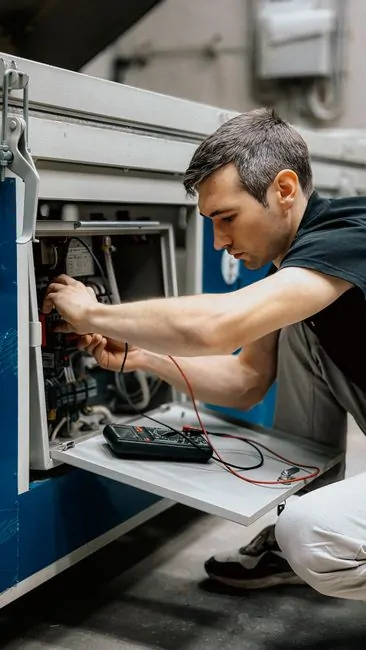
Mining technician inspecting ASIC hardware, cooling pipes, power meters, and maintenance records
How Cloud Mining contracts turn remote hardware into earning potential
SEALMINER A4 Ultra Hydro versus Minerbase A40-CE: What matters? Compare verified hash rate, joules per terahash, purchase price, warranty, noise, cooling requirements, and availability of replacement parts rather than focusing only on headline capacity. The SEALMINER A4 Ultra Hydro is a hydro-cooled design, so its value depends on access to a properly engineered liquid-cooling loop, pumps, heat exchangers, treated coolant, and reliable installation. The Minerbase A40-CE should be assessed by its published algorithm, sustained performance, electrical input, operating temperature, and service documentation; model names alone do not establish profitability.
Confirm whether figures are measured at the wall or quoted by a manufacturer under ideal conditions. Also investigate firmware controls, pool compatibility, shipping insurance, import duties, and reseller reputation. A more efficient unit can still lose money if electricity costs, downtime, hosting, or maintenance are high. Treat both products as industrial equipment, not phone accessories, and request current technical specifications before comparing expected Bitcoin output.
cloud mining costs, contracts, and transparent mining features
SEALMINER A4 Ultra Hydro efficiency, cooling, and Bitcoin Mining costs depend on the complete installation, not the miner’s advertised terahash figure. Hydro cooling can remove heat efficiently and reduce fan noise, but it adds pumps, plumbing, filtration, heat rejection, and potential leak or corrosion risks. Calculate total power at the wall, including the cooling system, then multiply kilowatts by the local electricity rate and operating hours. Add pool fees, hosting, maintenance, taxes, financing, internet service, and expected downtime before estimating Bitcoin Mining returns.
The relevant efficiency measure is joules per terahash under sustained operation, with allowance for seasonal temperature changes and performance degradation. A facility must also support the machine’s voltage, circuit capacity, ventilation backup, and emergency shutdown procedures. Check whether the warranty permits third-party coolant or immersion-style modifications, because an improper setup can void coverage. Use conservative Bitcoin price, network difficulty, and fee assumptions, and rerun the calculation whenever difficulty, energy prices, or machine performance changes.
Cloud Mining pros and cons for first-time Bitcoin app users
Minerbase A40-CE capacity, maintenance, and cryptocurrency mining trade-offs should be evaluated through verified operating data and serviceability. Confirm the unit’s hashing algorithm, nominal and sustained hash rate, power draw, efficiency, ambient-temperature range, and required electrical connection. A lower purchase price may be attractive, but cryptocurrency mining economics can deteriorate quickly when the machine has higher joules per terahash, limited firmware support, or difficult-to-source fans and control boards. Routine maintenance includes cleaning dust, checking connectors, monitoring temperatures, updating trusted firmware, and inspecting power supplies.
Keep spare parts and a replacement plan because downtime reduces revenue while fixed costs continue. Ask the seller for serial-number verification, warranty terms, repair turnaround, and evidence that performance claims were measured independently. Calculate break-even using realistic electricity costs, pool fees, hosting, taxes, and changing network difficulty rather than a single optimistic estimate. The best choice may be the machine with dependable support and predictable operation, even if its advertised capacity is lower than a competing model.
How do cloud mining platforms compare with dedicated hardware?
How do cloud mining platforms compare with dedicated hardware? Cloud mining platforms let customers purchase or lease hash power without owning ASIC hardware, arranging electrical service, managing cooling, or handling repairs. That convenience is valuable for mobile users, but the customer depends on the provider’s infrastructure, accounting, uptime, withdrawal policy, and continued operation. Dedicated hardware offers greater control over firmware, pool selection, resale, and physical verification, yet it requires capital, technical knowledge, space, electricity, noise management, and maintenance.
Neither approach guarantees profit: Bitcoin price, network difficulty, pool fees, taxes, and electricity costs determine results. Compare a cloud contract’s net payout and all recurring charges with the total cost of ownership for an equivalent machine. Ask whether the provider owns identifiable equipment, how hash power is measured, what happens during downtime, and whether contracts can be terminated. Avoid platforms promising fixed returns or pressure to recruit users. A small, transparent test is safer than committing substantial funds to an unverified service or hardware seller.
Cloud Mining pros and cons for first-time Bitcoin app users
cloud mining platforms, Mining security risks, and contract transparency require careful review before any payment. Read the contract for hash-rate denomination, start date, duration, maintenance deductions, pool fees, minimum withdrawal, payout frequency, suspension rights, and treatment of network difficulty. A provider should identify its legal entity, operating location, support channels, data-protection policy, and the facilities or equipment supporting the service. Mining security risks include account takeover, fake dashboards, manipulated payout data, phishing, insolvency, and providers selling more hash power than they control.
Verify website ownership, use HTTPS, enable multifactor authentication, and pay only through a method that offers appropriate records; never send a seed phrase or grant remote access to a wallet. Independent evidence such as pool-side statistics, audited reports, and consistent transaction history is more useful than testimonials or guaranteed-return claims. Model a zero-revenue scenario and calculate the point at which fees consume rewards. If material terms are vague, change without notice, or cannot be independently verified, do not deposit funds.
Bitcoin mining apps, cloud mining platforms, and Device Security safeguards
Bitcoin mining apps, cloud mining platforms, and Device Security safeguards serve different functions and should not be treated as interchangeable. Most legitimate mobile apps monitor hash rate, account balances, pool performance, or cloud contracts; they do not turn an iPhone into a profitable ASIC miner. Before installing one, verify the publisher, App Store or Play Store history, privacy policy, requested permissions, update record, and User Feedback, while avoiding links distributed through unsolicited messages.
Access cloud mining platforms through a bookmarked HTTPS address, use a unique password and multifactor authentication, and keep withdrawal confirmations enabled. Device Security also means separating a monitoring account from a wallet holding significant Bitcoin, disabling screen overlays and accessibility access for untrusted apps, and reviewing battery, data, and network activity. Never approve an unexpected wallet signature or connect a wallet to claim free rewards. Keep the operating system current, use reputable security software where supported, and test withdrawals with a small amount. These safeguards reduce risk, but they cannot make an opaque or unprofitable mining contract safe.
The Definitive 2026 Safety Checklist for Choosing a Mining App
A practical checklist covers operator identity, app-store history, permissions, custody, fees, payout evidence, security controls, and independent reviews. Download only from reputable stores, test with a small amount, enable multifactor authentication, and keep recovery phrases offline.
How to compare mining app features without overpromising results
Compare mining app features by separating genuine account tools from claims that a phone can perform profitable Bitcoin mining by itself. A reputable app should explain whether it uses remote hash power, a hosted account, rewards, referrals, or simply educational dashboards. Check how payouts are calculated, which network or pool supplies them, minimum withdrawal thresholds, maintenance charges, and whether contracts can expire.
A profitability calculator is useful only when it shows assumptions for Bitcoin price, network difficulty, hash rate, fees, and electricity costs. Look for transparent company details, an accessible privacy policy, responsive support, and independent User Feedback rather than screenshots of exceptional earnings. Never treat animated hash-rate counters as proof of on-chain rewards. Mobile Bitcoin mining normally means monitoring cloud mining services or managing a wallet, not turning an iPhone into an ASIC. Also inspect permissions: an app requesting contacts, accessibility control, or unnecessary Computing resources deserves caution. Realistic language, verifiable payout records, and clear risk warnings are stronger signals than promises of passive income.
Cloud Mining pros and cons for first-time Bitcoin app users
Download decisions should begin with the official App Store or Google Play listing, the developer’s verified website, and a check that the package name matches across both sources. Avoid modified installers, browser pop-ups, and links promising free Bitcoin after a deposit. The main advantage of smartphone crypto mining apps is convenience: they can display balances, monitor mining pool activity, manage contracts, or deliver educational alerts. Their disadvantages include data collection, subscription costs, misleading reward systems, and exposure to Malware. A phone has limited processing power and cooling, so an app claiming that ordinary smartphone hardware will generate substantial Bitcoin is not credible.
Continuous computation can cause overheating, battery drain, degraded hardware, and negligible profits. Some apps use Advertising, In-App Purchases, or referral incentives instead of mining revenue; read the terms before paying. Confirm whether withdrawals are real Bitcoin, an internal point balance, Ethereum, Monero, or another token. Before installation, review App Updates, permissions, publisher history, and independent User Feedback. Treat “zero fees” and guaranteed returns as claims requiring evidence, not as benefits.
Mining features, Related Media, and Collection disclosures to review
Review mining features alongside Related Media and Collection disclosures before trusting an app. A feature page should identify the mining model, supported assets, payout schedule, custody arrangement, contract duration, and fees in plain language. If the service sells hash power, determine whether it owns or leases ASIC hardware and where its mining farms operate; vague references to proprietary technology are not verification. Collection disclosures should state what device identifiers, wallet addresses, location data, analytics, and payment information are gathered, why they are needed, and how long they are retained. An app that requests microphone, contacts, or accessibility permissions without a clear operational reason may expose users to Malware or surveillance.
Examine linked videos and Related Media critically because promotional content can show simulated balances rather than blockchain transactions. Verify a sample payout independently using a block explorer and confirm that the destination wallet belongs to you. Prefer non-custodial controls where practical, but remember that a non-custodial label does not make a provider honest. Check App Updates, privacy changes, withdrawal rules, and complaint handling before committing funds.
What should a practical Bitcoin plan look like on March 4, 2025?
A practical Bitcoin plan on March 4, 2025 should prioritize learning, security, and affordable exposure rather than assuming a phone can replace industrial mining equipment. Begin by defining whether the goal is to understand the Bitcoin payment protocol, accumulate BTC gradually, or evaluate cloud mining. Set a fixed budget that can be lost, avoid debt, and record every deposit, fee, reward, and withdrawal for tax and performance review. Use a reputable wallet with backups, strong device authentication, and a small test transfer before moving larger amounts.
If considering Bitcoin cloud contracts, calculate expected payouts against contract fees, network difficulty, provider risk, and electricity costs; compare those figures with simply buying a small amount of Bitcoin. A smartphone can monitor a wallet, mining pool, or hash power marketplace, but intensive local computation is generally uneconomic and may damage the device. Keep Cryptojacking defenses active by updating software, limiting permissions, and avoiding unknown browser scripts. The plan should include an exit rule, periodic review, and no assumption that instant confirmation means irreversible safety before sufficient network settlement.
March 4, 2025 lessons for Bitcoin apps, Cloud Mining, and Cryptojacking
The March 4, 2025 lessons for Bitcoin apps, Cloud Mining, and Cryptojacking are straightforward: verify the business model, protect the endpoint, and demand evidence for every reward claim. A cloud provider may sell access to remote hash power, but users still face contract terms, maintenance deductions, changing difficulty, downtime, counterparty failure, and withdrawal limits. A Bitcoin app that displays earnings without a transaction ID may be showing an internal ledger rather than actual BTC rewards.
Cryptojacking presents the opposite pattern: Malware secretly uses a phone, computer, or browser to perform Cryptomining for someone else, often causing heat, battery drain, sluggish performance, and unusual data use. Keep operating systems and browsers patched, use reputable security software, and investigate sustained processor activity when the app is closed. Never grant a mining app broad accessibility or administrative privileges merely to activate rewards. Review payment addresses carefully because Bitcoin payments are difficult to reverse. These lessons also apply to cloud mining advertisements promising zero fees, guaranteed yields, or instant withdrawals. Transparency, small tests, and documented limits are safer than urgency or celebrity endorsements.
crypto mining apps with practical Download guidance
The March 4, 2025 case study for Cryptomining prevention starts with a user who installs a “Bitcoin mining” package from an unofficial download page. The app requests constant background activity, accessibility access, and permission to install updates; soon the phone overheats, loses charge rapidly, and becomes slow even when the dashboard shows no credible payout. The safer response is to disconnect suspicious network access, preserve relevant alerts, uninstall the package, revoke permissions, update the operating system, and run a trusted security scan. Change wallet and exchange credentials from a clean device, enable multifactor authentication, and inspect transactions for unauthorized withdrawals.
If the device belongs to a business, report the incident to IT or the SOC investigation process rather than deleting evidence immediately. Check browser extensions, scheduled tasks, and other devices for the same Malware. For future Bitcoin mining experiments, use official stores, least-privilege permissions, a separate test wallet, and a small balance. Confirm rewards through an independent block explorer and monitor processor use, temperature, and battery behavior. Cryptojacking prevention is not merely an app choice; it is continuous cybersecurity hygiene.
Proven Next Steps for Safer Bitcoin Mining Beyond 2026
Start with education and observation, then compare cloud contracts against simply buying Bitcoin or using a regulated wallet. Set a fixed risk budget, document every fee, review monthly performance, and stop using services that change rules without clear notice.

Step-by-step roadmap from Bitcoin education to wallet security and cautious mining participation
How to build a balanced path from Bitcoin app testing to ownership
Build a balanced path from Bitcoin app testing to ownership by progressing through controlled stages. First, learn how wallets, private keys, fees, blocks, and on-chain settlement work; then test a reputable non-custodial wallet with a very small amount. Next, compare apps that provide monitoring or education with cloud mining services that sell remote hash power. Require a written explanation of contracts, fees, custody, payout calculations, maintenance deductions, and withdrawal conditions before depositing. Use a separate email, unique password, hardware-backed authentication where available, and a test transaction to verify the correct address. Keep records of purchase price, rewards, network fees, and taxes so apparent gains are not confused with gross credits.
Ownership also means maintaining recoverability: store seed backups offline and never share them with an app or support agent. If a platform controls the keys, treat the balance as a claim against that provider rather than equivalent to personally held Bitcoin. Review performance monthly instead of reacting to price movements or referral pressure. A measured path can include direct BTC purchases, mining education, and carefully limited contracts, but no single app should determine financial security.
Bitcoin mining, Cryptocurrencies, and smartphone crypto mining expectations
Bitcoin mining, Cryptocurrencies, and smartphone crypto mining expectations should be grounded in hardware economics. Bitcoin’s proof-of-work network is dominated by specialized ASIC hardware operating in facilities that negotiate power, cooling, and uptime at scale. A phone can run a wallet, display mining statistics, or participate in an app-based rewards program, but its processor is not competitive with dedicated miners. Even when a service labels activity as mining, the user may be receiving promotional points, a share of hosted hash power, or rewards funded by subscriptions.
Compare the stated hash rate with network difficulty and calculate net returns after fees, contract charges, and electricity costs. Do not assume that Ethereum or other Cryptocurrencies can be mined in the same way as Bitcoin; networks use different consensus systems, and some projects use mobile participation models that are not proof-of-work mining. Monero, Electroneum, and Pi Network each require separate verification of their mechanisms and value. A realistic smartphone plan focuses on custody, security, payment use, and learning. Claims of daily Bitcoin income from background phone activity should be treated as marketing until independently verified.
crypto mining apps with practical Download guidance
Bitcoin Mining, Cryptocurrency Miners, and disciplined risk management belong together because technical activity does not remove financial risk. Before buying a contract or joining a pool, estimate the break-even point under several Bitcoin prices, network difficulty levels, uptime assumptions, and fee schedules. Ask whether the provider owns its machines, publishes facility evidence, identifies pool relationships, and allows withdrawals to a wallet you control. Counterparty risk remains even when a dashboard reports a rising balance, while market volatility can turn a nominal reward into a loss. Diversify across neither suspicious platforms nor excessive complexity; instead, keep exposure small and use a documented allocation that fits your finances.
Never borrow to speculate, and do not confuse past BTC rewards with guaranteed future income. Monitor account activity, login alerts, withdrawal addresses, and device health. Cryptocurrency Miners should also follow local tax and consumer-protection rules, especially when contracts are marketed across borders. A disciplined review can lead to stopping a service when fees exceed rewards, support becomes evasive, or terms change. The strongest strategy is one that preserves capital, protects private keys, and accepts that Bitcoin mining may be educational rather than profitable for an individual.
What should you expect from crypto mining apps in 2026?
Device Protection can make mobile mining a smarter experiment by reducing avoidable security and hardware risks, but it cannot make an uneconomic phone profitable. Keep the operating system, wallet, browser, and security tools updated; install apps only from trusted stores; and use screen locks, multifactor authentication, encrypted backups, and remote-wipe capabilities. Review permissions before every App Update, especially requests for accessibility control, device administration, contacts, or unrestricted background activity. Monitor temperature, processor load, battery health, and data usage, and stop the experiment if the phone overheats or behaves unusually.
A reputable security tool can help detect Cryptojacking, malicious scripts, and suspicious network connections, while browser protections can block unauthorized Cryptomining. Use a separate test wallet with limited funds and never enter a seed phrase into a mining dashboard. Device Protection also includes financial safeguards: test the smallest withdrawal, verify transaction IDs on-chain, and read cancellation and refund terms. Consider a non-custodial wallet for funds and treat hosted mining balances as exposed to provider failure. These controls support safer learning about Bitcoin and cloud mining, but they do not change network difficulty, electricity costs, or the basic economics of mobile hardware.
crypto mining apps with practical Download guidance
Device protection should come before any mobile Bitcoin mining experiment. A phone is not designed to run sustained cryptographic workloads, and unofficial tools can expose private keys, install Malware, or secretly consume processing power. Keep the operating system, browser, wallet, and security software updated, and install Mobile apps only from reputable stores after checking the publisher and permissions. Use a unique password, multifactor authentication, and a hardware wallet or non-custodial wallet for meaningful balances. Avoid rooting or jailbreaking an iPhone, and do not grant an unknown app accessibility, administrator, or background execution privileges.
Cryptomining prevention also means monitoring temperature, battery health, data use, and unexplained performance changes. If a phone becomes hot while idle, displays aggressive Advertising, or loses charge rapidly, stop the application and investigate. Review App Updates and User Feedback, scan downloads, and remove software that cannot explain its business model. These habits reduce Mining security risks, although they cannot make on-device Bitcoin mining economically attractive.
Bitcoin mining apps and smartphone mining claims worth questioning
Cryptojacking occurs when software or a compromised website uses a device’s resources to mine cryptocurrency without meaningful consent. Malware symptoms include persistent overheating, fan activity, rapid battery drain, sluggish menus, unusual data consumption, and crashes when no demanding app is open. Vulnerable devices include phones running outdated operating systems, modified firmware, unsupported browsers, and computers where users install pirated software or unknown crypto tools.
Check battery and network statistics to identify which application is active, then disconnect from suspicious services and uninstall the offending program. A full security scan, password change from a clean device, and wallet review may be necessary if credentials were exposed. Web browsers can also be abused by malicious scripts, so block intrusive extensions and avoid clicking unsolicited mining offers. Cryptojacking is different from a transparent cloud mining service: the former takes computing resources covertly, while the latter should disclose contracts, fees, custody, and payout terms. If ransomware, account takeover, or persistent Malware is suspected, preserve evidence and contact a qualified cybersecurity professional rather than repeatedly reinstalling random apps.
Final Decision Guide: Is Mobile Bitcoin Mining Worth Your Time?
Mobile Bitcoin mining is worth exploring as a learning, monitoring, or remote-access activity, not as a guaranteed income source. Choose only after verifying infrastructure, custody, fees, security, and realistic rewards; otherwise, preserve capital and use a reputable non-custodial wallet.

Decision guide comparing smartphone monitoring, cloud mining, ASIC ownership, and direct Bitcoin purchase
What should you expect from crypto mining apps in 2026?
Before choosing Cloud Mining or hardware, answer five practical questions. First, what exactly are you buying: leased hash power, a share of mining revenue, or physical ASIC hardware with maintenance responsibility? Second, can the expected BTC rewards exceed electricity costs, service charges, pool fees, taxes, and the purchase price under conservative Bitcoin price and difficulty assumptions? Third, who controls the machines, wallets, and withdrawal process, and is there verifiable evidence of operating mining farms? Fourth, what happens when difficulty rises, equipment fails, or the contract expires; are refunds, transfers, or renewals clearly defined?
Fifth, can you tolerate losing the entire amount? ASIC hardware may offer direct control but requires ventilation, noise management, reliable power, and technical maintenance. Cloud mining services are more convenient, yet counterparty risk and opaque accounting can outweigh convenience. Compare a profitability calculator with independent assumptions, inspect contract terms, and treat guaranteed returns as a warning. A legitimate hash power marketplace should explain ownership, payout calculations, downtime, and dispute procedures before accepting payment.
crypto mining apps with practical Download guidance
Bitcoin scams often imitate exchanges, wallet providers, or famous investors and promise effortless income. Mining app scams commonly display rising balances that cannot be withdrawn until the user pays a tax, activation charge, or “verification” deposit. That pattern is a strong warning, not a normal mining expense. Other Mining scams sell nonexistent ASIC hardware, copy a real company’s branding, or pressure users with limited-time bonuses and referral rewards. Never send funds to unlock funds, share a seed phrase, or allow remote access to a phone or computer.
Verify a provider through independently sourced company details, legal terms, support channels, and evidence that is not limited to screenshots or testimonials. Be cautious with social-media endorsements, fake customer-service accounts, and websites using misspelled domains. A secure connection and polished design do not prove honesty; HTTPS protects data in transit, not the truth of a profitability claim. Use small test withdrawals only after independent checks, and remember that Bitcoin transactions are generally irreversible. If an offer guarantees daily returns regardless of market conditions, reject it and report it to the relevant platform or authorities.
Bitcoin mining apps and smartphone mining claims worth questioning
A Bitcoin app should clearly state whether it is a wallet, exchange, monitoring dashboard, or actual mining service. Many crypto mining apps merely simulate activity, distribute advertising, or sell cloud contracts; an animated hash counter is not Bitcoin mining evidence. Verify the publisher, company registration, privacy policy, withdrawal rules, fee schedule, and the permissions requested by the application. Look for identifiable mining addresses, pool statistics, documented hardware, and payout records that can be checked independently on a block explorer, while recognizing that some providers reasonably limit operational details.
Ask whether rewards are settled on-chain, whether the displayed balance is spendable, and whether withdrawals require additional deposits. Compare claims with network difficulty, block rewards, electricity costs, and realistic ASIC performance. An app that cannot explain its calculation or provides only testimonials deserves no investment. Review update history, security disclosures, and User Feedback for complaints about frozen withdrawals. Keep operational funds separate from long-term holdings, use a dedicated wallet where practical, and never provide a seed phrase to support staff. Evidence should be reproducible, current, and consistent with Bitcoin’s public payment records.
The ultimate 2026 action plan for safer mobile participation
The ultimate 2026 action plan for safer mobile participation begins with a realistic goal: use a phone to learn, monitor, and manage Bitcoin rather than expecting it to replace ASIC hardware. Start by securing the device, updating software, enabling multifactor authentication, and creating a wallet backup stored offline. Define a fixed budget that you can lose, then compare cloud mining services, exchange purchases, and direct savings without assuming price appreciation. Test every provider’s identity, contract, fees, custody model, withdrawal process, and customer support before depositing funds.
Prefer transparent Bitcoin payments and verifiable on-chain settlement over dashboards that show unredeemable points. Set alerts for unusual logins, wallet transfers, battery drain, and unexpected background activity. Review positions monthly using conservative assumptions about difficulty, fees, and BTC volatility; stop if the economics or security evidence changes. Never install software from unsolicited links, disclose seed phrases, or pay a fee to release rewards. Keep records for taxes and complaints, and periodically reassess whether a hardware wallet or regulated service offers better protection. The safest participation is deliberate, limited, and easy to exit.
Bitcoin mining apps and smartphone mining claims worth questioning
In 2026 Bitcoin Mining priorities should center on ownership, transparency, and device security rather than flashy reward claims. App Privacy deserves equal attention: read what data an application collects, whether it sells identifiers, and why it needs contacts, location, accessibility access, or persistent background activity. A genuine wallet normally does not need broad control of the phone, while a mining dashboard should not request seed phrases. Use a separate email address for crypto services, disable unnecessary notifications, and keep sensitive balances off devices used for gaming, public Wi-Fi, or experimental software.
Device security improves when the bootloader remains locked, screen protection is enabled, backups are encrypted, and operating-system updates are installed promptly. For iPhone and Android users, review battery, storage, network, and permission reports regularly. Treat browser-based mining claims with particular skepticism because Web browsers can run scripts without providing meaningful output. Prioritize verifiable withdrawals, clear fee disclosure, and non-custodial options where appropriate. If a service advertises zero fees, determine whether costs are hidden in spreads, maintenance charges, withdrawal thresholds, or unfavorable conversion rates before judging the offer.
2026 cloud mining choices, Ratings & Reviews, and Device protection
For 2026 cloud mining choices, combine Ratings & Reviews with technical verification and disciplined Device protection. Reviews can reveal delayed withdrawals, changing terms, or poor support, but they can also be purchased or manufactured, so weigh them against corporate records, contract language, pool data, and independent reporting. Compare contract duration, hash-rate denomination, maintenance charges, minimum withdrawal, payout frequency, downtime policy, and what happens when mining becomes unprofitable.
Confirm that the provider identifies its jurisdiction and gives a realistic explanation of where machines operate. Do not confuse a referral leaderboard or NFT Miners promotion with proof of productive hash power. On your phone, use a current operating system, reputable security tools, screen lock, encrypted backups, and a wallet that lets you control recovery credentials. Monitor applications for overheating, excessive permissions, and unexplained background processing, especially after App Updates. Begin with no more than a small test amount and attempt a withdrawal before increasing exposure. A sound choice remains understandable under stress: you should know who holds funds, how rewards are calculated, what fees apply, and how to leave without paying an invented release charge.