
To Calculate Bitcoin Mining Break-even costs you can use the free below calculator. Bitcoin Mining Calculator: Profit per Watt & Break-Even analysis begins with hashrate, power consumption, electricity cost, Bitcoin price, pool fee, and uptime. Enter the ASIC miner’s specifications, unit price, hosting rate, and reference price to estimate mining revenue, daily cash flow, and return on investment. A practical Bitcoin mining profitability snapshot should also test network difficulty, BTC exchange rates, and hardware depreciation rather than relying on a single optimistic result. Use Bitcoin mining calculator insights to compare assumptions, then verify every figure against current network data before purchasing equipment.
Calculate Bitcoin Mining Break-even costs
Bitcoin Mining Break-Even Calculator
Estimate daily mining profit and your break-even costs.
Estimates use 144 blocks per day and a 3.125 BTC block reward. They exclude pool fees, transaction fees, cooling, repairs, hosting, and taxes.

Dashboard showing ASIC hashrate, electricity cost, BTC price, daily revenue, and break-even date
1. The Essential Bitcoin Mining Profitability Snapshot for Today
The Essential Bitcoin Mining Profitability Snapshot for Today should show gross BTC production, mining revenue, power expense, pool fee, net profit, and estimated break-even days in one view. A useful calculator separates Bitcoin price from actual price received, because fiat currency exchange rates, withdrawal charges, and spread can reduce realized income. Record the network hashrate and network difficulty timestamp, apply realistic uptime, and run conservative, base, and optimistic cases. For a quick comparison of market assumptions, Bitcoin market probability resources can complement, but never replace, a documented profitability model.

Profitability snapshot with conservative, base, and optimistic Bitcoin mining scenarios
How BTC network data and the Bitcoin block reward shape true profit
How BTC network data and the Bitcoin block reward shape true profit depends on expected shares rather than guaranteed daily coins. The block reward currently combines the subsidy with transaction fees, while network difficulty adjusts to keep block production near its target interval. If global hashrate rises, an unchanged miner earns fewer BTC unless its efficiency or uptime improves. A calculator should therefore refresh Bitcoin network data, distinguish BTC output from fiat revenue, and show sensitivity to a difficulty increase. Track block reward changes separately from Bitcoin price so a temporary market rally does not hide declining coin production.

Diagram connecting block reward, network hashrate, difficulty, miner shares, and BTC output
Bitcoin mining cost, exchange rates, and the latest network conditions
Bitcoin mining cost, exchange rates, and the latest network conditions must be synchronized at the time of calculation. Electricity cost is usually the largest variable expense, but a model should also include pool fee, cooling, repairs, hosting, internet service, and downtime. Convert BTC revenue using a clearly labeled reference price and compare it with the actual price received after fees. Network difficulty and hashrate can change materially between two estimates, so record the timestamp and source. The result is more useful when displayed in both BTC and the operator’s fiat currency.
Bitcoin block reward changes that can make a mining calculator unprofitable
Bitcoin block reward changes that can make a mining calculator unprofitable include scheduled halvings, changing transaction-fee markets, and rapid difficulty growth. A halving approximately reduces the subsidy component, so a miner operating near its electricity break-even point may become cash-flow negative immediately afterward. Test the calculator with the current reward, a lower reward, and several fee levels. The model should display the exact assumption rather than burying it in a combined revenue number. Operators can respond through cheaper electricity, better cooling, firmware tuning, or retirement of inefficient machines, but none of those actions removes market risk.

Timeline illustrating halving impact on block subsidy, revenue, costs, and break-even status
Why a Bitcoin Mining Calculator needs accurate input parameters
Why a Bitcoin Mining Calculator needs accurate input parameters becomes clear when small errors compound across thousands of operating hours. Enter measured wall power rather than the manufacturer’s ideal figure, use stable hashrate rather than a nameplate maximum, and apply realistic uptime after maintenance and network interruptions. Include the miner purchase price, shipping, installation, taxes, hosting, pool fee, and expected service life. A calculation results panel should identify every assumption, its source, and its update date. For practical equipment and market reference material, current mining technology updates can provide context, while the final decision should rely on verified invoices and readings.

Technician recording wall-meter power consumption and ASIC hashrate for calculator inputs
Bitcoin block reward changes that can make a mining calculator unprofitable
Profit per Watt comparisons across modern ASIC equipment reveal why efficiency often matters more than headline hashrate. Divide net daily profit by measured watts, or compare joules per terahash before adding local electricity tariffs. An Antminer S21j XP Hydro, for example, may deliver strong efficiency but requires suitable water infrastructure, pumps, and maintenance. Compare total system power, not only the board specification, and include fan, cooling, and facility overhead. A less powerful machine with lower joules per terahash can outperform an older high-hashrate model when Bitcoin price weakens or electricity becomes expensive.
Bitcoin mining methodology behind reliable daily estimates
Bitcoin mining methodology behind reliable daily estimates starts with expected shares: miner hashrate divided by network hashrate, multiplied by available block rewards and fees. Subtract pool fee, rejected shares, downtime, power consumption, hosting, and maintenance before labeling the result profit. A sound Mining forecast uses rolling network observations and scenario ranges instead of pretending that tomorrow’s difficulty is known. Validate the estimate against pool statements for at least several weeks, then adjust the profitability model when measured output differs from the calculator. This approach improves accuracy and exposes firmware, thermal, or connectivity problems early.

Flowchart showing hashrate-to-shares calculation followed by fees, power costs, and net profit
2. Build a Proven Bitcoin Mining Setup Without Guesswork
Build a Proven Bitcoin Mining Setup Without Guesswork by defining the operating environment before buying Mining Hardware. Confirm electrical capacity, ventilation or immersion requirements, noise limits, internet redundancy, fire protection, wallet custody, and pool compatibility. A miner that looks profitable on paper can fail if the site cannot sustain continuous power or remove heat. Compare home operation with industrial hosting, calculate installation costs, and maintain a reserve for repairs. Document serial numbers and warranty terms so the deployment can be audited. A disciplined setup converts a theoretical Bitcoin mining profit into measurable operational efficiency.

Prepared mining room with electrical panels, ventilation, network equipment, racks, and safety controls
Hardware Setup choices for stronger Mining Profitability
Hardware Setup choices for stronger Mining Profitability should balance efficiency, availability, resale value, and serviceability. New equipment usually offers better joules per terahash and warranty support, while used equipment may reduce capital cost but carry higher failure risk. Check voltage, connector type, firmware policy, ambient temperature, and expected uptime before ordering. Compare Minerset listings, Mining Hardware inventories, and supplier references without assuming that the lowest Pricing is the best value. Consider whether a Manufacturing Industry supplier in China provides traceable documentation, spare parts, and reliable shipping.
Bitcoin block reward changes that can make a mining calculator unprofitable
Bitcoin Mining Hardware and Hosting Costs for home and industrial sites differ in both price and risk. Home miners may face residential electricity tariffs, noise complaints, limited cooling, and circuit upgrades, while industrial sites may offer lower power rates but charge a hosting rate, deposits, management fees, and curtailment premiums. Request a complete contract showing power metering, uptime terms, repair responsibility, taxes, and withdrawal rules. Distributed locations can reduce concentration risk, but they add logistics and monitoring complexity. Calculate total delivered cost before comparing facilities.

Comparison of home garage mining installation and industrial hosting warehouse with cost callouts
The equipment table for comparing hashrate, efficiency, and capacity
The equipment table for comparing hashrate, efficiency, and capacity should include model, hashrate, watts, joules per terahash, purchase price, warranty, dimensions, voltage, cooling method, and expected uptime. Add BTC production, net daily revenue, and break-even days from identical network assumptions so the comparison remains fair. Track Inventory, Stock List, availability date, repair history, and shipping cost separately from machine performance. Include the Bitcoin price used and refresh the table whenever network difficulty moves materially. This prevents a visually impressive specification from hiding poor power economics.

Structured equipment table comparing ASIC models, capacity, efficiency, price, and projected payback
How the Miner Profit Calculator reveals true profit
How the Miner Profit Calculator reveals true profit depends on separating revenue, variable cost, fixed cost, and capital recovery. Gross Bitcoin output is not the same as cash profit: pool fee, electricity, hosting, cooling, repairs, taxes, and wallet charges must be deducted. Then compare remaining cash flow with the ASIC purchase price and installation cost to estimate return on investment. A useful calculator reports break-even Bitcoin price, break-even electricity rate, and break-even uptime alongside daily results. Validate the output against production records rather than treating a web estimate as a promise.
The breakeven formula for electricity, hosting, and Bitcoin mining cost
The breakeven formula for electricity, hosting, and Bitcoin mining cost is straightforward: divide total daily operating cost by expected daily BTC output to find the required Bitcoin price. For capital recovery, add daily equipment and installation depreciation or a chosen payback allocation to operating cost. A miner paying $0.06 per kilowatt-hour may remain positive while the same hardware at $0.12 becomes unprofitable after cooling and pool fees. Test both cash break-even and full-cost break-even, because the first excludes capital recovery while the second measures sustainable operation.

Formula graphic showing power, hosting, capital recovery, BTC output, and break-even price
Profit per Watt comparisons across modern ASIC equipment
Hardware Payback timelines under changing exchange rates should be presented as ranges, not a single date. Rising Bitcoin price can shorten payback, but rising network difficulty may reduce BTC output at the same time. Model monthly cash flow using several Bitcoin prices, difficulty growth rates, uptime levels, and repair events. Include shipping delays and commissioning time, since a machine that arrives during a strong market may not begin earning immediately. Recalculate after major price or difficulty movements and set a maximum acceptable payback period before purchasing.
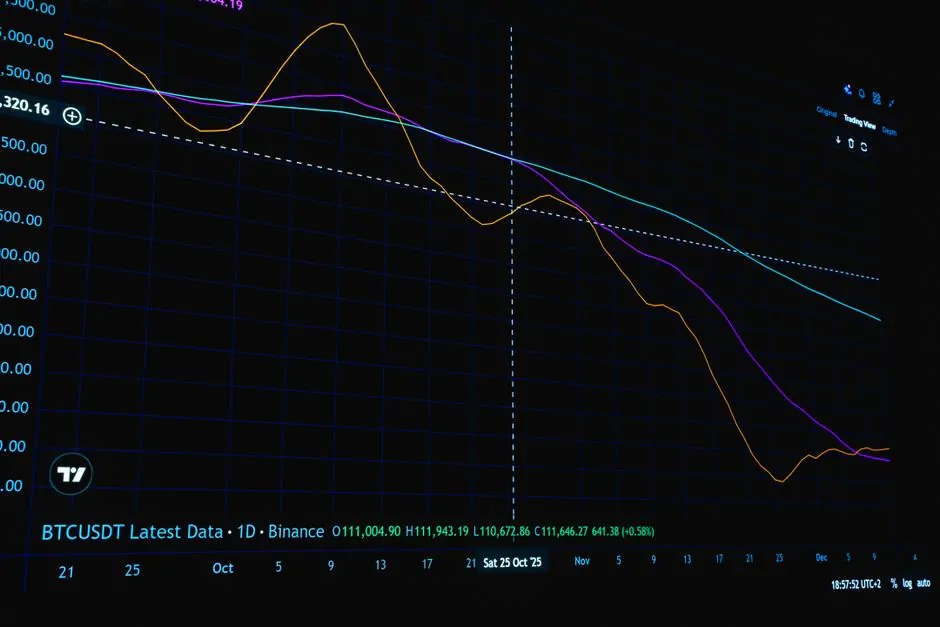
Payback chart showing multiple Bitcoin price and difficulty scenarios over twenty-four months
3. Electricity, Taxes, and the Real Cost of Bitcoin Mining
Electricity, Taxes, and the Real Cost of Bitcoin Mining are inseparable from equipment selection. Power consumption continues whether BTC price rises or falls, so a low tariff can provide more resilience than a higher nominal hashrate. Ask the utility or host for demand charges, taxes, curtailment rules, and seasonal pricing. Measure actual load at the breaker, include cooling overhead, and reserve cash for transformer work and repairs. The resulting cost calculation should distinguish recoverable taxes from true operating expense and should be reviewed whenever contracts change.
Mining Electricity and Hosting Costs that determine Bitcoin mining profitability
Mining Electricity and Hosting Costs that determine Bitcoin mining profitability include both the energy consumed by the ASIC and the infrastructure required to keep it online. Electricity tariffs may contain energy, transmission, demand, and tax components, while a host may bundle some charges into a monthly rate. Compare an all-in kilowatt-hour price with a fixed hosting fee only after converting both to equivalent units. Track uptime, curtailment, repairs, and payment terms because an apparently cheap facility can deliver fewer productive hours. Keep invoices and meter readings for every site.

Facility cost breakdown displaying energy, demand, hosting, cooling, maintenance, and uptime charges
When Bitcoin mining cost becomes unprofitable at high power rates
When Bitcoin mining cost becomes unprofitable at high power rates, the machine’s revenue per kilowatt-hour falls below the site’s all-in electricity price. Use the calculator to find that threshold under current BTC price, block reward, pool fee, and network difficulty. A temporary negative margin may be rational if prices are expected to recover, but continuing indefinitely destroys capital and may accelerate miner capitulation. Establish shutdown rules, such as a minimum net margin or maximum loss per day, before a downturn occurs.
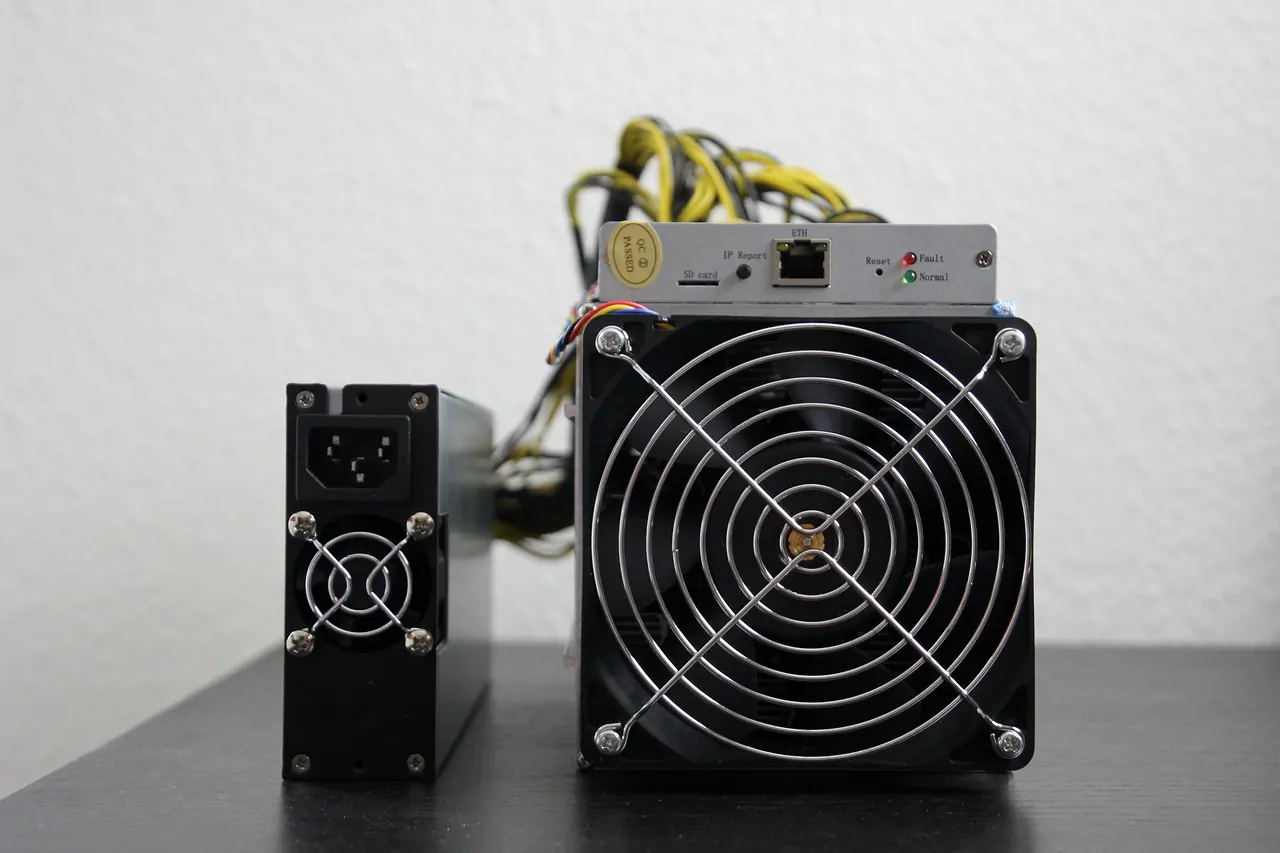
Break-even curve showing profitable and unprofitable electricity-rate zones for an ASIC miner
Profit per Watt comparisons across modern ASIC equipment
Profit per Watt tests for efficient and aging hardware should use measured power at the wall and stable pool-reported hashrate. Clean filters, ambient heat, firmware settings, rejected shares, and throttling can materially change results. Compare newer units with aging machines on net profit per watt after cooling and maintenance, not simply advertised efficiency. If an older miner requires repeated fan or hash-board repairs, its apparent low purchase price may be misleading. Retire or relocate equipment when its contribution margin no longer covers risk and labor.
Why a Bitcoin Mining Calculator needs accurate input parameters
Tax Benefit opportunities and Equipment Tax Savings can improve project economics, but they depend on jurisdiction, business structure, and documented use. Possible treatments include depreciation, energy incentives, accelerated deductions, inventory accounting, and credits for qualifying infrastructure. Do not subtract a tax benefit from the calculator until an accountant confirms eligibility, timing, and recapture rules. Maintain purchase invoices, shipping records, serial numbers, electricity bills, hosting statements, and repair receipts. A conservative model shows pre-tax and post-tax cash flow separately so operational decisions remain valid even if legislation changes.

Accountant reviewing ASIC invoices, depreciation schedules, energy bills, and tax-saving calculations
Profit per Watt comparisons across modern ASIC equipment
How a Mining Profit Calculator accounts for deductions and depreciation requires clear separation between cash expense and accounting expense. Depreciation schedules reduce taxable income without reducing the day’s cash balance, while repairs and electricity may be immediately deductible depending on local accounting standards. Include acquisition basis, useful life, salvage assumptions, and placed-in-service date, then compare tax-adjusted cash flow with economic profit. Do not treat depreciation as free money or assume every deduction applies to cryptocurrency mining. Professional review is essential when operations span multiple countries or entities.

Tax model showing cash expenses, depreciation schedules, taxable income, and after-tax mining cash flow
Bitcoin mining methodology behind reliable daily estimates
Bitcoin Mining Hardware and Hosting Costs after tax treatment should be reconciled with public company filings and local accounting standards where possible. Review how comparable operators classify equipment, hosting, power, hardware impairments, inventory, and fair market value changes. An impairment charge may reduce reported earnings without immediately changing operating cash flow, while a disposal can create a taxable gain or loss. Keep the management model separate from statutory accounts, and document assumptions for auditors. This discipline prevents tax savings from masking weak underlying mining operations.
4. Advanced Forecasting for Every Bitcoin Market Cycle
Advanced Forecasting for Every Bitcoin Market Cycle requires a range of outcomes rather than a confident single prediction. Combine Bitcoin price paths with network difficulty, transaction fees, block reward, hashrate growth, power costs, downtime, and equipment replacement. A Mining forecast should show monthly revenue, operating margin, cash balance, and shutdown thresholds. Stress-test a sharp price decline, a difficulty surge, a prolonged outage, and delayed hardware delivery. Use backtests carefully: historical profitability demonstrates behavior under old conditions, not a guarantee of future Bitcoin mining returns.

Multi-scenario forecast dashboard covering Bitcoin price, difficulty, hashrate, costs, cash flow, and equipment replacement
Why a Bitcoin Mining Calculator needs accurate input parameters
Bitcoin Market Assumptions behind Future Bitcoin Mining Profitability should be explicit, versioned, and easy to change. State the starting Bitcoin price, expected annual price range, network difficulty growth, fee rate, block interval, BTC-to-fiat conversion, electricity tariffs, hosting rate, uptime, and replacement schedule. Separate assumptions from observed inputs so the operator knows which numbers are forecasts. Include bear, base, and bull cases, then calculate the minimum price required to cover operating costs. This makes the model useful for budgeting even when market direction remains uncertain.

Assumption panel with editable Bitcoin price, difficulty growth, fees, tariffs, uptime, and replacement inputs
Profit per Watt comparisons across modern ASIC equipment
Mining Profitability Scenarios for market cycle tops and downturns should model both revenue excitement and operational stress. At a cycle top, high Bitcoin price may attract new Crypto Miners, causing network hashrate and difficulty to rise later. During a downturn, low price and expensive debt can force inefficient operators offline, reducing competition but increasing miner capitulation risk. Calculate margins before, during, and after these transitions. A machine should be purchased only if the business can survive the downside case without relying on a rapid price rebound.
Bitcoin mining methodology behind reliable daily estimates
Forecasting true profit with Bitcoin price and difficulty ranges means calculating a matrix rather than multiplying today’s revenue by twelve. For each month, combine a BTC price band with a difficulty band, then subtract actual power, pool fee, hosting, maintenance, and financing. Show probability-free scenarios unless reliable probabilities exist; labels such as conservative and aggressive are clearer than false precision. Recalculate when observed hashrate or network difficulty moves outside the forecast range. This process reveals how quickly a small margin can disappear under adverse conditions.

Heatmap of monthly net profit across Bitcoin price and network difficulty ranges
Quadratic difficulty models and Backtest Historical Bitcoin Mining Profitability
Quadratic difficulty models and Backtest Historical Bitcoin Mining Profitability can help analysts examine compounding network growth, but they should not be mistaken for forecasts. Fit historical difficulty or hashrate data over a defined interval, test the model on a later period, and report error ranges. Include periods of equipment shortages, energy shocks, halving events, and unusual fee markets so the backtest is not selectively favorable. Compare the quadratic result with linear and flat-difficulty baselines. A model that fails simple holdout testing should not guide major capital purchases.

Backtest chart comparing quadratic, linear, and flat network-difficulty projections against historical Bitcoin data
Bitcoin mining methodology behind reliable daily estimates
Quadratic growth assumptions for BTC network data projections imply that additions to global hashrate accelerate over time. Such a curve can represent aggressive Mining Hardware deployment, but it may overstate growth when chip supply, energy capacity, financing, or regulation constrains expansion. Use upper and lower coefficients, cap the projection where physical capacity becomes implausible, and compare the result with observed network hashrate. The calculator should clearly label the model, start date, fitting window, and uncertainty rather than presenting projected BTC output as a fact.
How market cycle tops can expose an unprofitable mining calculator
How market cycle tops can expose an unprofitable mining calculator is illustrated by delayed difficulty response. A rapid Bitcoin price increase lifts margins and encourages new equipment orders, but those machines may arrive months later when network difficulty is much higher. If the calculation uses today’s difficulty throughout the payback period, it overstates mining revenue and understates risk. Add deployment delay, difficulty growth, procurement cost, and a lower post-peak price case. This protects buyers from paying cycle-top prices for hardware with weak long-term economics.

Timeline showing Bitcoin price peak, hardware delivery delay, difficulty increase, and shrinking profitability
5. Practical Tools, Risks, and Essential Questions for Miners
Practical Tools, Risks, and Essential Questions for Miners should turn a calculator into a repeatable operating process. Review pool statements, power meters, wallet receipts, repair tickets, uptime, temperature, rejected shares, and realized BTC price weekly. Protect wallets and account access with strong authentication, segregated permissions, and tested backups. Maintain a decision log explaining why equipment was purchased, throttled, relocated, or shut down. External resources can support research, but no calculator eliminates counterparty, market, regulatory, or hardware risk.

Operator’s weekly review station with pool dashboard, power meter, wallet controls, maintenance log, and risk checklist
Bitcoin Mining Calculator Questions answered with GalaxyOne examples
Bitcoin Mining Calculator Questions answered with GalaxyOne examples should focus on transparent assumptions rather than brand promises. Ask whether the example uses wall power, current difficulty, realistic uptime, pool fee, repair cost, and a dated Bitcoin price. Check whether results are quoted in BTC, fiat currency, gross revenue, or net profit, because those labels are not interchangeable. Recreate the example with your own electricity and hardware inputs, then compare the result with a second calculator. A difference is useful when it reveals an omitted fee or outdated network parameter.
Bitcoin mining methodology behind reliable daily estimates
How web widget calculators extend a Miner Profit Calculator depends on data freshness and transparent configuration. A widget can accept model, hashrate, power, electricity rate, BTC price, and pool fee, then return estimated daily output and break-even. It should display update time, data source, currency, and whether cooling or hosting is included. Avoid widgets that hide formulas, collect sensitive wallet credentials, or imply guaranteed returns. For production use, export results to a spreadsheet or API and preserve historical snapshots for audit and comparison.

Embedded web calculator widget with visible inputs, data timestamp, formulas, and export controls
Bitcoin mining definitions every new operator should understand
Bitcoin mining definitions every new operator should understand include hashrate, difficulty, joules per terahash, block reward, share, rejected share, uptime, pool fee, and hash price. Hashrate measures computational work per second; difficulty expresses how hard valid blocks are to find; hash price describes revenue per unit of hashrate over time. Power consumption is measured at the wall, while efficiency compares energy with hashrate. Learn these terms before comparing machines, contracts, or forecasts, because confusing gross revenue with net profitability can lead to expensive decisions.

Illustrated glossary labeling ASIC components, hashrate, difficulty, efficiency, shares, and hash price
Mining Without a Pool, Binance theft, and the final Mining Profitability check
Mining Without a Pool, Binance theft, and the final Mining Profitability check require separate risk analysis. Solo mining avoids a pool fee but replaces predictable small payouts with a very low probability of finding a block, making cash flow unsuitable for most small operators. Exchange custody introduces another risk: a Binance theft or account compromise can erase proceeds regardless of mining performance, so use withdrawal controls, hardware wallets, address verification, and limited balances. Before launch, verify the calculator, contract, wallet process, insurance, and shutdown rules.
When solo mining changes Bitcoin block reward expectations and true profit
When solo mining changes Bitcoin block reward expectations and true profit, the key issue is variance rather than average mathematical output. A miner may contribute hashrate for months without receiving a block reward, even when long-run expected BTC appears acceptable. Pool mining distributes rewards according to submitted shares and therefore supports operating budgets, although it charges a pool fee and creates counterparty exposure. Model solo mining with probability, liquidity reserves, and a very long observation period; never treat expected block reward as guaranteed daily income.

Probability illustration comparing solo block discovery variance with steady pooled Bitcoin payouts
GalaxyOne lessons for Bitcoin Mining Profitability Snapshot decisions
GalaxyOne lessons for Bitcoin Mining Profitability Snapshot decisions are best applied as a final checklist: verify measured hashrate, wall power, Bitcoin price, network difficulty, block reward, pool fee, electricity cost, hosting, uptime, taxes, repairs, and capital recovery. Confirm that the equipment’s production cost remains acceptable under a lower BTC price and higher difficulty. Compare the result with fair market value, depreciation schedules, and alternative uses of capital. Approve a purchase only when the downside case preserves liquidity and the operating team can monitor performance daily.

Final decision dashboard summarizing Bitcoin price, efficiency, costs, downside case, liquidity, and purchase approval