
The best crypto cards are becoming more than simple payment tools. In the past, most people used crypto cards only to spend Bitcoin, stablecoins or other digital assets at normal stores. Today, the market is much more advanced. Some cards connect directly to major exchanges, some offer cashback, some support Apple Pay or Google Pay, and some even add crypto-native rewards such as Bitcoin mining exposure.
For anyone using cryptocurrency in 2026, finding the best crypto cards can make daily spending easier. Instead of manually selling crypto, moving funds to a bank and then using a normal debit card, a crypto card can help bridge the gap between digital assets and real-world payments. But not every card is the same. Fees, rewards, limits, supported countries and security features can change the real value very quickly.
This guide explains how the best crypto cards work, what features to compare, and how to decide which card fits your crypto lifestyle.
What Is the GoMining Card?
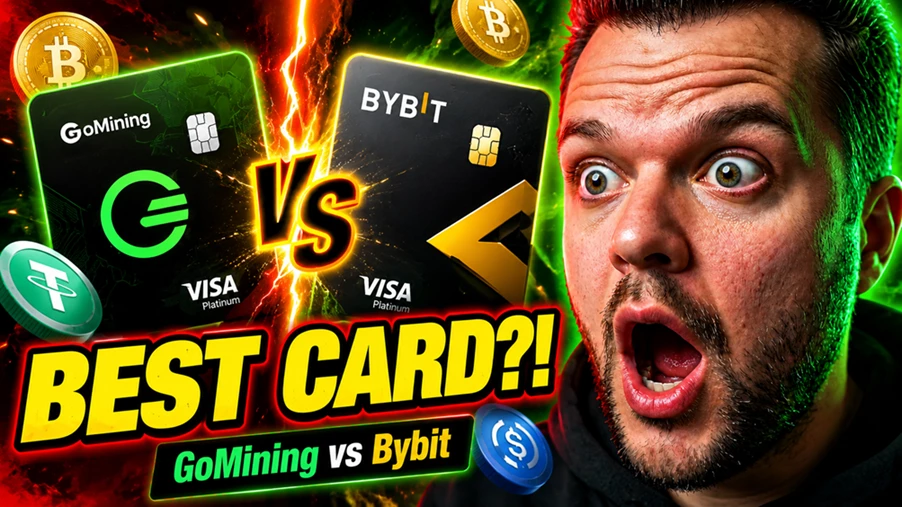
The GoMining Card is interesting because it is not just presented as a normal crypto cashback card. Instead of only giving users standard reward points, the GoMining Card focuses on cashback connected to Bitcoin mining power.
That means the card is built around a different idea: spend crypto and potentially receive cashback that boosts mining exposure inside the GoMining ecosystem. For users who already like Bitcoin mining, digital mining products, or mining-linked rewards, this creates a more unusual value proposition.
The hook is simple but powerful. Imagine buying something with your crypto card and receiving cashback that is connected to Bitcoin mining power rather than only traditional points. That is a very crypto-native concept and one of the main reasons the GoMining Card stands out.
What Are Crypto Cards?
Crypto cards are debit, prepaid or payment cards that allow users to spend cryptocurrency or crypto-linked balances through normal card payment networks. In many cases, the card converts crypto into fiat currency at the moment of purchase. This lets users spend digital assets at shops, online stores, restaurants, travel platforms and other merchants that accept card payments.
The best crypto cards usually connect to a crypto wallet, exchange account or card wallet. Users can hold assets such as Bitcoin, USDT, USDC or other supported tokens, then spend through the card when needed. Some cards use automatic conversion, while others require users to manually top up a card balance first.
The main benefit is convenience. Crypto becomes easier to use in everyday life without needing complicated transfers every time you want to make a purchase.
Why the Best Crypto Cards Matter in 2026
The best crypto cards matter because crypto adoption is becoming more practical. Many people no longer want to hold digital assets only for long-term speculation. They also want tools that let them spend, earn rewards and manage funds more easily.
Crypto cards can be useful for:
- Daily purchases
- Online payments
- Travel spending
- Stablecoin spending
- Bitcoin spending
- Exchange-linked payments
- Cashback rewards
- ATM withdrawals
- Apple Pay or Google Pay payments
For traders, crypto cards can also make funds more accessible. Instead of waiting for withdrawals to banks, users may be able to move assets into a card wallet and spend faster. For Web3 users, the best crypto cards can connect crypto balances with real-world payments in a smoother way.
How Crypto Cards Work
Most crypto cards work by converting digital assets into local currency at the time of payment or when the user tops up the card. For example, a user may hold Bitcoin or USDT in a card wallet. When they buy something, the card provider converts the required amount into fiat currency so the merchant receives normal payment.
Some crypto cards are connected to exchanges. These are often useful for active traders because the card sits inside the same ecosystem where they already buy, sell and hold crypto. Other cards are more wallet-focused and may be built around self-custody, stablecoin payments or special reward systems.
The best crypto cards make this process feel simple. They should have clear fees, fast conversion, strong security, reliable app controls and easy balance management.
Best Crypto Cards for Cashback
Cashback is one of the biggest reasons people search for the best crypto cards. A cashback crypto card rewards users for spending. The reward may come in fiat value, points, Bitcoin, platform tokens or other digital assets.
However, users should always read the terms carefully. Many cards advertise “up to” a certain cashback rate, but the real reward may depend on your region, VIP level, spending category, card tier, campaign rules or monthly limits.
When comparing cashback cards, check:
- The real cashback rate
- Reward caps
- Minimum spending requirements
- VIP or staking requirements
- Supported countries
- Whether cashback is paid in crypto or fiat
- How easy it is to redeem rewards
The best crypto cards for cashback are not always the cards with the biggest headline number. The best option is usually the card with rewards you can actually use consistently.
Best Crypto Cards for Traders
For active traders, the best crypto cards are usually exchange-connected cards. These cards can be useful because traders already keep funds on exchanges, convert assets and manage stablecoins. A card linked to that exchange can reduce friction.
For example, an exchange-connected crypto card may allow users to move funds from their trading account to a card balance. This can make daily spending faster and more convenient.
Trader-friendly crypto cards should offer:
- Easy top-ups
- Fast conversion
- Stablecoin support
- Clear fees
- Good exchange integration
- Cashback or reward options
- Strong account security
- Mobile app controls
The best crypto cards for traders should also make it easy to separate trading funds from spending funds. This helps users avoid accidentally spending money they planned to keep for market opportunities.
Best Crypto Cards for Bitcoin Users
Bitcoin users may want a card that supports BTC spending or BTC rewards. Some people prefer to spend stablecoins and earn Bitcoin rewards. Others want a card that allows direct Bitcoin conversion at checkout.
The best crypto cards for Bitcoin users should support clear BTC conversion, reasonable fees and reliable wallet management. Some cards may also offer Bitcoin cashback or rewards connected to Bitcoin mining exposure.
Bitcoin-focused users should compare:
- BTC spending support
- BTC reward options
- Conversion spreads
- Withdrawal rules
- Wallet security
- App reliability
- Regional availability
A Bitcoin card can be useful, but users should remember that spending BTC may have tax implications depending on their country. It is important to track transactions and understand local rules.
Best Crypto Cards for Stablecoin Spending
Stablecoins are one of the most practical assets for crypto card spending. Many users do not want to spend volatile assets like Bitcoin or altcoins for daily purchases. Instead, they may prefer USDT, USDC or another supported stablecoin.
The best crypto cards for stablecoin spending should offer low conversion fees, fast payments and strong liquidity. Stablecoin spending can feel more predictable because the value is designed to stay close to a fiat currency.
Stablecoin crypto cards are useful for:
- Daily payments
- Travel spending
- Online purchases
- Freelance income
- Crypto-native budgeting
- Avoiding volatility during spending
When comparing the best crypto cards for stablecoins, check which stablecoins are supported, whether conversion is automatic, and whether there are fees for loading or spending.
Best Crypto Cards for Rewards Beyond Cashback
Some cards go beyond normal cashback. This is where the crypto card market becomes more interesting. A card may offer points, platform rewards, token rewards, Bitcoin rewards or mining-linked benefits.
For example, a card like GoMining Card has gained attention because of its Bitcoin mining power reward concept. Instead of only offering traditional cashback points, the idea is connected to mining exposure inside the GoMining ecosystem. This gives the card a more crypto-native angle.
Other cards, such as exchange-connected cards like Bybit Card, may appeal more to active traders who want cashback and direct access to exchange funds.
The best crypto cards depend on what type of reward you actually value. Some users want simple cashback. Others want Bitcoin rewards. Some want trading convenience. Others want something more experimental and crypto-focused.
Fees to Check Before Choosing a Crypto Card
Fees can make or break a crypto card. A card may advertise great rewards, but if the fees are high, the real value may be lower than expected.
Before choosing from the best crypto cards, check:
- Card issuance fee
- Monthly fee
- ATM withdrawal fee
- Foreign exchange fee
- Crypto conversion fee
- Top-up fee
- Inactivity fee
- Reward redemption fee
- Card replacement fee
Also check the conversion spread. Some cards may not charge an obvious fee but may include a spread in the conversion rate. This can quietly reduce value over time.
The best crypto cards are transparent about fees and make it easy for users to understand the real cost of spending.
Availability and Regional Restrictions
One of the biggest issues with crypto cards is availability. A card may look excellent online, but it may not be available in your country. Some cards support Europe but not the United States. Others may support certain regions but limit features such as ATM withdrawals, physical cards or cashback campaigns.
Before applying for any card, check:
- Supported countries
- Identity verification requirements
- Physical card availability
- Virtual card availability
- Apple Pay support
- Google Pay support
- ATM support
- Local currency support
The best crypto cards for one country may not be the best option for another. Region matters a lot, especially with crypto payments and card programs.
Security Features to Look For
Security is extremely important when choosing the best crypto cards. A crypto card may connect to an exchange account, wallet balance or digital asset portfolio. That means account protection should be a top priority.
Look for cards that offer:
- Two-factor authentication
- App-based card freezing
- Spending limits
- Transaction alerts
- Withdrawal controls
- Strong account verification
- Secure wallet infrastructure
- Reliable customer support
Users should also follow basic crypto security rules. Never share passwords, seed phrases or private keys. Avoid fake card websites. Bookmark official links. Use strong passwords and two-factor authentication.
The best crypto cards should make spending easier without exposing users to unnecessary risk.
Crypto Card vs Normal Bank Card
A normal bank card is usually connected to a bank account. A crypto card is connected to crypto balances, exchange funds or a card wallet. The difference is important.
Normal cards are often better for simple fiat spending. Crypto cards are better for users who already hold digital assets and want to spend or access those funds more easily.
The best crypto cards do not fully replace traditional banking for everyone. Instead, they add another payment option for people who live partly inside the crypto economy.
How to Choose the Best Crypto Card
To choose the best crypto cards, start with your personal use case.
If you are a trader, an exchange-connected card may be best. If you want stable daily spending, choose a card with strong stablecoin support. If you want rewards, compare cashback rates and caps. If you like Bitcoin mining exposure, look at cards with mining-related benefits. If you travel, focus on fees and regional support.
Ask yourself:
- Do I want cashback or simple spending?
- Do I use Bitcoin, stablecoins or altcoins?
- Do I already use a major exchange?
- Is the card available in my region?
- Are the fees clear?
- Can I use Apple Pay or Google Pay?
- Does it support ATM withdrawals?
- Are the rewards actually useful?
The best crypto cards are the ones that match your real spending habits.
Final Thoughts on the Best Crypto Cards
The best crypto cards can make cryptocurrency more useful in everyday life. They allow users to spend digital assets, access cashback, use stablecoins, connect exchange balances and manage crypto payments more easily.
But the best card is not the same for everyone. Some users may prefer a card connected to a major exchange. Others may prefer a card with Bitcoin rewards or mining exposure. Some may care most about low fees, while others want the highest cashback.
Before choosing any crypto card, always check the official terms, supported countries, reward limits, conversion fees and security features. Crypto cards can be powerful tools, but the real value depends on how they work in daily use.
The best crypto cards are simple, transparent, secure and useful. They help bridge the gap between crypto and real-world spending without making the process confusing. As crypto adoption grows, these cards may become an even bigger part of how people use digital assets in everyday life.