
Quick Summary: The best crypto wallet strategy is to use both hot and cold wallets, not pick one. Keep 70-90% of long-term holdings in cold storage, 10-20% in a hardware-secured warm layer for DeFi, and under 5-10% in a hot wallet for daily spending. Cold storage protects against remote hacks, which stole over $3.4 billion in 2025, but you must guard your recovery phrase since losing it means losing funds forever. A hardware wallet becomes worth its cost once your stack tops around $1,000.
If your Bitcoin savings, trading funds, and DeFi keys all sit in one browser extension, you do not have a wallet strategy yet. The best crypto wallet setup uses both types: cold storage for long-term holdings, a hot wallet for daily swaps and dApps. This comparison covers security, cost, and recovery, so you can pick the best crypto wallet for each job.
Hot Wallet vs Cold Wallet: At a Glance
| Hot wallet | Cold wallet | |
|---|---|---|
| Key exposure | Keys are held in software on an online phone or computer | Keys remain on dedicated hardware and should not leave it |
| Security profile | More exposed to malware, phishing, and malicious approvals | Strong protection against most remote attacks |
| Convenience | Fast access with no extra device | Requires a device connection and on-device confirmation |
| Best use | Trading, payments, DeFi, NFTs, and small active balances | Long-term holdings, savings, and meaningful balances |
| Recovery responsibility | Protect the recovery phrase and the connected device | Protect the recovery phrase, device, PIN, and physical access |
How Hot wallet and Cold wallet Compare
Hot wallet
A software wallet that runs on an internet-connected phone or computer. It suits active traders and DeFi users who need fast access, though keys stay exposed to malware and phishing. Keep only small, active balances here.
Key strengths
- Instant access with no extra device
- Built for trading, payments, and Web3
A hardware wallet that keeps private keys offline, signing transactions on the device itself. It fits long-term holders protecting savings or meaningful balances from remote attacks, at the cost of needing the device and PIN.
Key strengths
- Keys never leave the device
- Strong defense against remote attacks
Why Cold Storage Wins for Savings
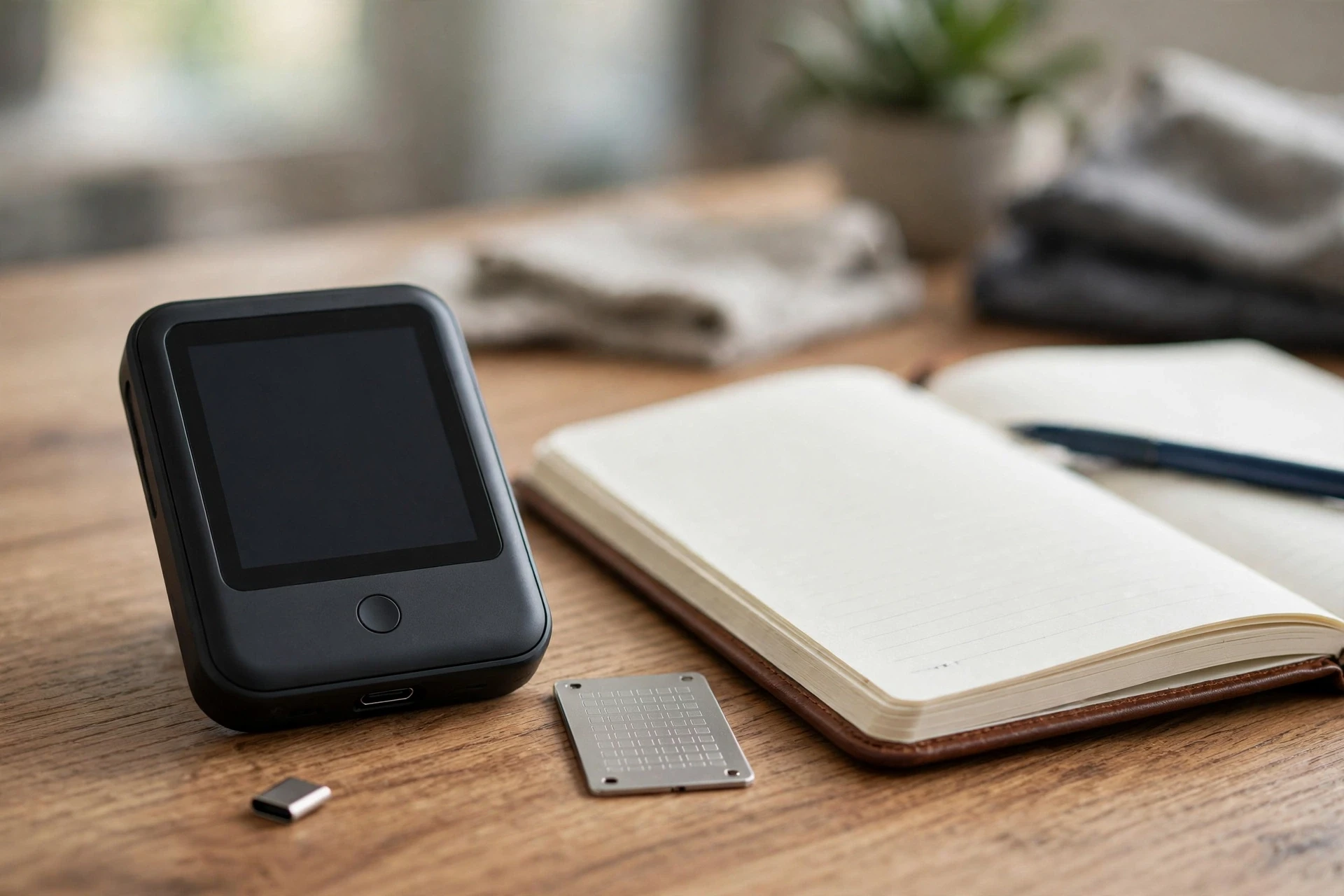
Long-term savings belong offline. Hackers stole over $3.4 billion in crypto in 2025, and the Bybit hack alone drained $1.5 billion from a major exchange, according to Chainalysis. A hardware wallet keeps your keys off any internet-connected device, so there is nothing to phish, drain, or intercept.
The Risk That Cold Storage Does Not Remove
Cold storage protects coins from online theft. It cannot protect you from losing the device or the recovery phrase. If you lose the seed words, nobody can restore your funds – not support teams, not the wallet maker. Water, fire, and simple forgetfulness destroy more savings than hackers do for most people.
Also, your coins can still drop in price. Cold storage guards your keys, not the market.
So reduce this risk with a few habits:
- Write your recovery phrase on paper or steel, never in a notes app.
- Keep two backups in separate physical locations.
- Test recovery with a small amount before moving your full savings.
- Tell one trusted person a recovery plan exists, without sharing the words.
Do this, and cold storage becomes the safest home for money you will not touch for years.
Also Read: Discover 1000x Altcoins: Barsik Coin & Pnut Coin Insights
Convenience and Cost: Why Hot Wallets Still Matter
Cold storage protects your savings, but it slows down everything else. Hot wallets like Phantom or MetaMask sign trades in one tap and connect to dApps instantly, which is why they still handle most daily crypto activity. Most are free, so the only cost is network fees.
Use Friction as a Security Feature
Every extra step before signing – a passcode, a hardware confirm, a waiting period – buys you time to catch a mistake. Lean into it:
- Keep only a small balance in your hot wallet.
- Use a separate “burner” wallet for risky dApps.
- Sweep profits to cold storage weekly.
Also Read: Crypto Cobra Blog: Crypto News, Reviews & Market Insights
The Best Crypto Wallet Setup for Different Users
A Simple Three-Bucket Model
Skip the single-wallet debate. Split funds into three buckets instead:
- Cold storage holds the bulk, roughly 70-90%. Long-term BTC and ETH stay offline on a hardware wallet.
- Warm layer takes 10-20%. Hardware-secured but DeFi-active, so a bad dApp approval can’t reach your savings.
- Hot balance keeps under 5-10% for daily trades and spending. Treat it like cash in your pocket.
Most experts agree one wallet is a single point of failure Tangem, and hybrid setups cap the damage if a hot wallet gets hit MEXC.

Also Read: Crypto Wallet Security Guide: Protect Your Assets From Common Threats
Which Should You Choose: Hot Wallet or Cold Wallet?
Choose both. A hot wallet holds a small spending balance, and cold storage protects your long-term reserves. Keep hot only what you could afford to lose – most holders stay under 10%. If your stack tops around $1,000, a hardware wallet earns its cost, per Cryptonomic’s 2026 guide. Your activity level and balance size set the split, as Investopedia explains.

Ready to split your funds the smart way? Get fresh wallet reviews and expert security guides at Crypto Cobra. Start protecting your crypto today.
Frequently Asked Questions
Compare hot and cold storage to help readers choose the best wallet setup?
Keep a small hot wallet for daily spending, a hardware or isolated wallet for risky trades, and cold storage for long-term reserves. Never keep everything in one place.
How much crypto should stay in a hot wallet?
Enough for one to two weeks of normal use. Most investors keep under 5-10% of holdings there, since hot wallets stay online and face higher hacking risk.
What happens if I lose my cold storage device?
Nothing is lost if you saved your recovery seed. Buy a replacement wallet, enter the seed, and your funds return. No seed means no recovery, ever.
What is the safest way to back up a crypto wallet?
Write the recovery seed on paper or metal and store it in a secure, private location. Never save it in cloud storage, email, screenshots, or notes apps. Consider keeping separate copies in two trusted locations.
Should I use a hardware wallet for long-term crypto holdings?
A hardware wallet is a strong choice for long-term holdings because it keeps private keys offline while allowing you to approve transactions. Buy only from the official manufacturer or an authorized seller, and initialize the device yourself.
How can I avoid crypto wallet scams?
Download wallet software only from official websites or verified app stores. Never share your recovery phrase or private keys, and remember that legitimate support teams will not ask for them. Double-check website addresses and transaction details before approving anything.
Should I use one wallet or multiple wallets?
Using multiple wallets can reduce risk by separating everyday spending, trading, and long-term savings. Keep smaller balances in wallets connected to websites or applications, and store larger reserves in a dedicated cold wallet with limited transaction activity.
Conclusion
Split your holdings: cold storage for long-term reserves, a hardware wallet for trading, a small hot balance for daily spending. Most experts, including CoinDesk’s coverage, agree layered storage limits your risk.