Imagine owning digital assets worth thousands of dollars but having no secure place to store them. This is exactly why crypto wallets have become essential infrastructure in the blockchain ecosystem. Whether you’re a seasoned investor or just dipping your toes into cryptocurrency, understanding how to choose and use the best crypto wallets is crucial for protecting your financial future.
A crypto wallet isn’t a wallet in the traditional sense—it doesn’t actually hold your coins. Instead, it stores the cryptographic keys that give you access to your digital assets on the blockchain. Think of it as the ultimate digital security system for your cryptocurrency holdings.
In this comprehensive guide, we’ll explore everything you need to know about crypto wallets, from the different types available to practical tips for keeping your assets safe.
Try Ellipal today !Table of Contents
Understanding Crypto Wallets: Background and Context
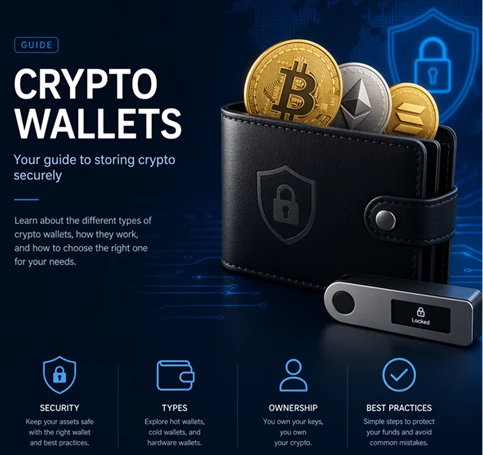
What Makes a Crypto Wallet Different?
When you own cryptocurrency, you don’t physically possess anything tangible. Instead, you hold two cryptographic keys:
- Public Key: This acts like your bank account number—it’s safe to share with others so they can send you funds.
- Private Key: This is your password and signature combined. It proves you own the cryptocurrency and allows you to authorize transactions. Never share this with anyone.
The best crypto wallets securely manage these keys, making transactions seamless while maintaining ironclad security standards.
The Evolution of Digital Asset Storage
The crypto wallet industry has evolved dramatically since Bitcoin’s inception in 2009. Early adopters stored keys in basic text files, leading to countless security breaches and lost fortunes. Today’s wallets incorporate advanced encryption, multi-signature technology, and intuitive interfaces that make managing digital assets accessible to everyone.
Main Discussion Point #1: Types of Crypto Wallets
Hot Wallets: Convenience Meets Connectivity
Hot wallets remain connected to the internet, offering unmatched convenience for frequent traders and everyday users.
Key Characteristics:
- Instant transaction execution
- Accessible from multiple devices
- User-friendly interfaces
- Lower security compared to cold storage
Best for: Regular traders, small to medium holdings, everyday spending
Popular hot wallets include MetaMask, Trust Wallet, and Coinbase Wallet. MetaMask, for instance, has grown to over 30 million monthly active users since its launch, making it the industry standard for blockchain interaction.
Cold Wallets: Maximum Security for Long-Term Holdings
Cold wallets keep your private keys completely offline, eliminating the risk of online hacking.
Hardware Wallets (the gold standard for security):
- Physical devices storing your private keys
- Transaction signing happens offline
- Resistant to malware and phishing attacks
- Examples: Ledger, Trezor, SafePal
Paper Wallets:
- Your keys printed on physical paper
- Zero online vulnerability
- Risk of physical damage or loss
- Suitable only for long-term storage of substantial amounts
The hardware wallet market has exploded, with Ledger reporting shipments of over 6 million devices globally. These devices cost between 50−200 but provide peace of mind worth far more.
Custodial vs. Non-Custodial Wallets: Who Controls Your Assets?
This distinction is fundamental to understanding crypto security:
Custodial Wallets:
- Exchanges or third parties manage your keys
- Convenient but involves trust
- Examples: Coinbase, Kraken, Gemini
- Suitable for beginners but carries counterparty risk
Non-Custodial Wallets:
- You maintain complete control of private keys
- Full responsibility for security
- Examples: Exodus, Electrum, Ledger Live
- Ideal for those prioritizing autonomy
A critical lesson from the 2022 FTX collapse: not your keys, not your coins. The exchange’s bankruptcy locked millions of users out of their assets despite having “custody.” This event renewed interest in self-custody solutions.
Main Discussion Point #2: Essential Features of the Best Crypto Wallets
Security Architecture
Top-tier crypto wallets implement multiple security layers:
- Encryption Standards: Military-grade encryption protecting stored keys
- Two-Factor Authentication (2FA): Additional verification for access
- Biometric Support: Fingerprint or facial recognition
- Recovery Phrases: Backup mechanisms using 12 or 24-word seeds
- Hardware Integration: Ability to connect with external hardware wallets
User Experience and Accessibility
The best crypto wallets balance security with usability:
- Intuitive Dashboard: Clear portfolio overview and transaction history
- Multi-Asset Support: Managing Bitcoin, Ethereum, altcoins, and NFTs in one place
- Transaction Speed: Fast processing without excessive delays
- Mobile Optimization: Seamless functionality on smartphones and tablets
- Customer Support: Responsive help channels for troubleshooting
Compatibility and Blockchain Support
Modern users need flexibility. Leading wallets support multiple blockchains:
- Ethereum and ERC-20 tokens
- Bitcoin and SegWit addresses
- Polygon, Solana, Cardano, and Layer-2 solutions
- Cross-chain swaps and interoperability features
Main Discussion Point #3: Choosing the Right Crypto Wallet for Your Needs
Assessment Framework: Five Critical Questions
1. How frequently will you trade?
- Daily traders need hot wallets with instant access
- Long-term holders benefit from cold storage security
2. How much are you storing?
- Small amounts ($5,000 or less): hot wallets acceptable
- Significant holdings ($100,000+): hardware wallet essential
- Life savings: combination of hardware and cold storage
3. What’s your technical comfort level?
- Beginners: user-friendly platforms like MetaMask or Trust Wallet
- Advanced users: can manage command-line tools like Electrum
- Institutional investors: enterprise-grade custody solutions
4. Which blockchains do you need?
- Bitcoin-only hodlers: specialized Bitcoin wallets offer superior features
- Multi-chain investors: platforms like Exodus or MetaMask essential
- DeFi users: need smart contract integration capabilities
5. How important is privacy?
- Enhanced privacy seekers: Monero wallets or privacy-focused tools
- Compliance-conscious: KYC platforms aligned with regulations
- Standard users: standard security practices sufficient
Comparison of Leading Solutions
| Wallet | Type | Security | Ease of Use | Multi-Chain | Cost |
|---|---|---|---|---|---|
| Ellipal Wallet | Hardware | Excellent | Good | Yes | from $79 to $169 |
| MetaMask | Hot/Browser | Good | Excellent | Yes | Free |
| Trezor Model T | Hardware | Excellent | Good | Yes | $199 |
| Trust Wallet | Mobile Hot | Good | Excellent | Yes | Free |
| Exodus | Desktop Hot | Good | Excellent | Yes | Free |
Challenges, Common Mistakes, and Risks
Security Vulnerabilities and How to Avoid Them
- Phishing Attacks: The number-one threat to crypto users. Scammers create fake wallet websites to steal private keys.
- Prevention: Always verify URLs, use hardware security keys, and bookmark legitimate sites.
- Seed Phrase Exposure: Writing recovery phrases digitally or sharing them online is catastrophic.
- Prevention: Write phrases on paper, store in secure locations, never photograph or digitize them.
- Negligent Key Management: Losing private keys means permanent asset loss. There’s no “forgot password” recovery in crypto.
- Prevention: Create backups, test recovery procedures, use hardware wallets with recovery features.
- Smart Contract Vulnerabilities: Some wallets interacting with compromised DeFi protocols can lose funds.
- Prevention: Audit smart contracts before interaction, use established protocols, start with small amounts when testing new platforms.
The High Stakes of User Error
Statistics show that approximately 4 million Bitcoin (worth $100+ billion) is permanently lost due to user error—forgotten passwords, destroyed hardware, or lost seed phrases. This underscores the importance of proper wallet management practices.
Future Trends and Expert Insights
Multi-Signature Wallets and Institutional Adoption
Enterprise-grade solutions increasingly employ multi-signature technology, requiring multiple approvals for transactions. This approach is gaining traction among institutions managing substantial portfolios.
Social Recovery and Smart Wallets
Emerging solutions like Account Abstraction and social recovery wallets allow users to recover accounts through trusted friends or institutions rather than traditional seed phrases—a significant user experience improvement.
Regulatory Integration
Future wallets will likely incorporate built-in compliance features, automatic tax reporting, and seamless on/off-ramp integration with traditional banking systems.
Cross-Chain Interoperability
As blockchain ecosystems fragment, wallets managing assets across multiple chains simultaneously will become standard rather than exceptional.
Practical Tips and Recommendations
Getting Started: A Step-by-Step Approach
Try Ellipal today !For Beginners:
- Start with a free, reputable hot wallet (MetaMask or Trust Wallet)
- Buy small amounts to get comfortable with the interface
- Practice sending to yourself and understanding transaction costs
- Graduate to a hardware wallet once holdings justify the investment
For Experienced Users:
- Implement a multi-wallet strategy: hot wallet for trading, hardware for storage
- Use separate wallets for different purposes (trading, staking, DeFi)
- Consider a multi-signature setup for substantial holdings
- Regularly audit your security practices
Security Checklist
- Store seed phrases in fireproof safes or safety deposit boxes
- Use strong, unique passwords with a reputable password manager
- Enable all available security features (2FA, biometrics, withdrawal limits)
- Keep wallet software updated to the latest versions
- Verify smart contract addresses before interaction
- Start with small test transactions before moving significant amounts
- Never share private keys, seed phrases, or security codes with anyone
Recovery and Backup Strategies
The best crypto wallets offer straightforward recovery mechanisms. Always:
- Test your recovery process with small amounts before trusting it with larger holdings
- Store backups in geographically diverse locations
- Consider using a cryptographic backup service for enhanced protection
- Document where and how backups are stored
Conclusion: Taking Control of Your Crypto Future
Choosing the best crypto wallets is one of the most important decisions in your cryptocurrency journey. The landscape offers something for everyone—from mobile-first traders to paranoid security enthusiasts preparing for the digital apocalypse.
The fundamental principle remains unchanged: security and control go hand-in-hand. Whether you opt for the convenience of hot wallets for day-to-day transactions or the fortress-like security of hardware wallets for long-term storage, the choice must align with your specific needs, risk tolerance, and asset size.
Key Takeaways:
- No one-size-fits-all solution exists—the best crypto wallets match your specific use case
- Cold storage is non-negotiable for significant holdings—hardware wallets provide optimal security
- Private key management is your responsibility—never trust a third party with complete control
- Security fatigue is real—balance protection with practicality
- The crypto landscape evolves rapidly—stay informed about emerging wallet technologies and vulnerabilities
Remember: your cryptocurrency is only as secure as your wallet implementation. Take the time to research, test, and verify before moving substantial assets. The few hours invested in proper wallet setup and security practices can protect you from losses that would otherwise be permanent and irreversible.
The future of finance belongs to those who take control of their digital assets today. Choose your wallet wisely.