Cryptocurrencies are often praised for their anonymity, but one investigative operation is shining a light on how they are still used for illegal activities.
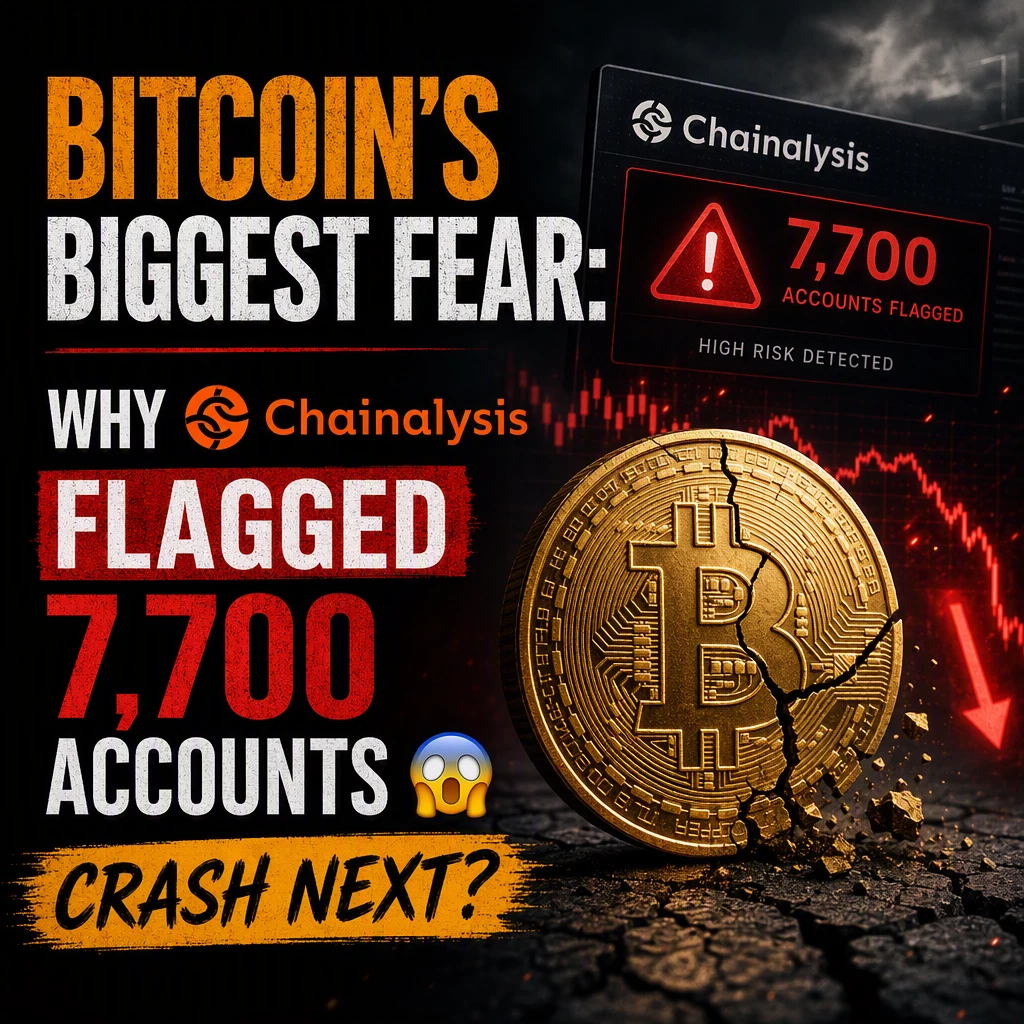
What happened
A major operation by Chainalysis has flagged numerous crypto accounts involved in illegal activities, highlighting persistent risks in the crypto space. This initiative, which has identified 7,700 accounts, is a
stark reminder of the challenges faced in maintaining the integrity of the cryptocurrency ecosystem. The operation, aimed at combating child abuse materials, has raised significant concerns about the potential uses of
cryptocurrencies for other illicit activities as well.
The operation led by Chainalysis has impacted the following cryptocurrencies:
- BTC (Bitcoin): An address was flagged, leading to potential scrutiny and investigations.
- ETH (Ethereum): Several accounts were flagged, drawing attention to the broader implications for a widely
used blockchain. - SOL (Solana): Some accounts were also flagged, showing that the issue is not limited to a single
blockchain.
Why it matters
This operation underscores the ongoing challenge of illegal activities within the crypto space, despite efforts to make it more transparent and secure. The use of cryptocurrencies for illicit purposes can lead to increased
regulatory scrutiny and stricter policies. For users and investors, it highlights the risks associated with the anonymity and cross-border nature of these currencies. The incident could also impact market sentiment, leading
to short-term volatility and long-term changes in how the regulatory landscape might shape up.
Market / on-chain context
Market sentiment around cryptocurrencies could be affected as investors become more cautious. Specifically, the news could impact the price movements in BTC, ETH, and SOL. Given the significant size of the flagged accounts,
any movement in these coins could signal broader shifts in investor sentiment. On-chain activity during and after the announcement of this operation will be closely monitored to gauge any reaction.
What to watch next
Key levels, events, or risks to monitor include:
- Official Statements: Look for any statements or actions from regulatory bodies following this operation.
- Market Reactions: Monitor for significant price movements or changes in trading volume.
- Investor Sentiment: Pay attention to social media and community forums for any discussions or debates about
the impact of this news.
What this operation shows is that crypto is not simply “anonymous money” operating outside the reach of the real world.
Blockchains are public ledgers. While wallet addresses may not display a person’s name, transaction patterns, exchange activity, and blockchain analytics can create a trail that investigators can follow.
For Bitcoin, Ethereum, Solana, and the wider crypto market, the immediate question is not whether the technology itself is to blame. The real question is how the industry responds: with better security, stronger compliance, and more accountability—or with rules that go too far and affect legitimate users.
In the short term, stories like this can increase uncertainty, regulatory pressure, and market volatility. But over the long term, the ability to identify and disrupt illegal activity could strengthen confidence in legitimate crypto projects, exchanges, and users.
So keep watching the official updates, regulatory responses, on-chain activity, and price action around BTC, ETH, and SOL. And most importantly, remember that in crypto, transparency cuts both ways: it can create privacy concerns, but it can also help expose wrongdoing.
If you found this breakdown useful, subscribe to Crypto Cobra for more crypto news, on-chain analysis, regulation updates, and market context. And let me know in the comments:
Does stronger blockchain tracking make crypto more trustworthy—or less private?
Thanks for watching, and I’ll see you in the next Crypto Cobra video.