
Best crypto research tools for real-time market tracking represent a necessary evolution for modern investors navigating the complexities of digital assets and high-frequency trading. As financial markets increasingly converge with decentralized networks, the ability to utilize advanced research tools that provide automated insights becomes paramount for sustaining a competitive edge in trading. Professional platforms like comprehensive data management and security systems transform raw onchain analytics into actionable intelligence, ensuring users can parse through noise to identify legitimate market signals.
By leveraging sophisticated dashboards, traders can monitor Bitcoin and other major coins with unprecedented granularity, allowing for precise risk evaluation and quantitative metrics analysis. Whether you are managing institutional portfolios or diving into retail speculation, adopting high-performance technical analysis stacks is essential to capitalize on inherent market volatility. Such mastery over deep market insights serves as a bedrock for successful asset management, bridging the gap between speculative fervor and professional, thesis-driven investment strategies in the evolving global digital economy.
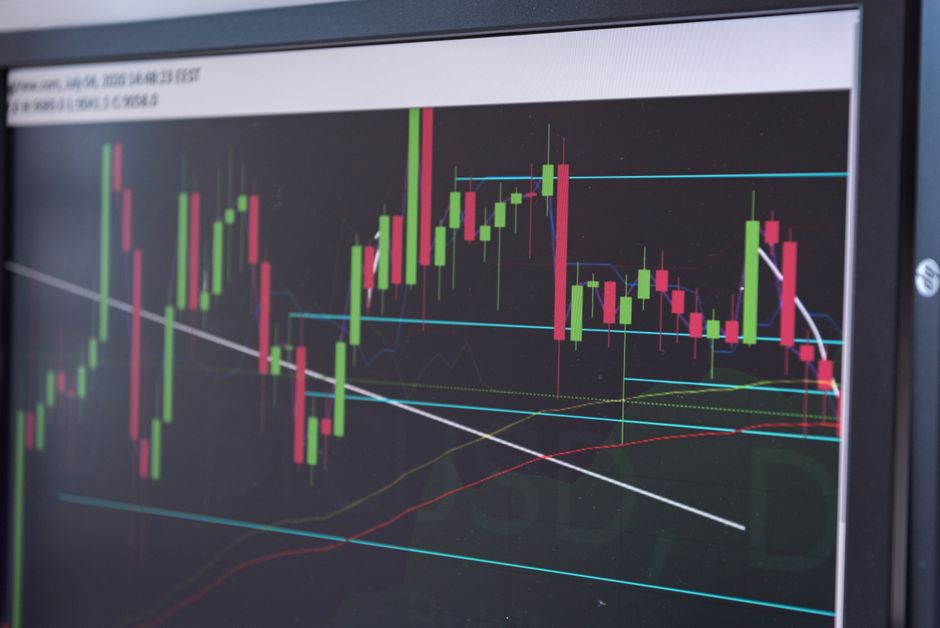
A professional trader’s screen showing real-time, colorful candlestick charts for Bitcoin alongside various technical analytical overlay metrics.
Table of Contents
Navigating the FinTech Landscape with Advanced Analysis Tools
Navigating the FinTech landscape with advanced analysis tools requires a deep understanding of how quantitative metrics intersect with real-time on-chain data. Investors often face challenges in aggregating fragmented information across different protocols, making it difficult to maintain a consistent trading strategy when evaluating diverse altcoins. Implementing high-performance research platforms allows for seamless tracking of liquidity depth, trading volume, and market capitalization across various exchanges simultaneously. When examining the intricacies of DeFi analytics, it becomes clear that professional tools provide the quantitative edge necessary to navigate periods of extreme price tracking and liquidity shifts.
These digital environments demand constant vigilance, utilizing data-driven models to refine your approach toward asset allocation and risk mitigation. By focusing on fundamental analysis rather than pure emotional reaction, savvy market participants can better understand the underlying health of decentralized finance ecosystems. Integrating these technical capabilities ensures that your decision-making process is backed by verifiable metrics, ultimately enhancing the likelihood of long-term success while minimizing exposure to unforeseen risks in the rapidly shifting landscape of blockchain technology.

A conceptual art piece showing digital data streams interconnected with traditional finance symbols like clocks and globes.
How Blockchain Infrastructure Empowers Modern Professionals
How blockchain infrastructure empowers modern professionals is rooted in the platform’s ability to facilitate decentralized finance and cross-border financing at scale. Through robust protocols, individuals can engage in staking mechanisms and manage complex financial instruments without reliance on legacy central nodes. This transparency is crucial for auditors and analysts alike, as the ability to trace transactions on the ledger brings unparalleled accountability to the industry. For those exploring the depths of this technology, advanced enterprise blockchain infrastructure solutions provide the necessary reliability for enterprise-grade deployments.
Furthermore, the capacity to monitor real-world assets on-chain opens doors to tokenizing commodities, equities, and even sovereign treasuries. This creates a bridge between digital innovation and physical value, offering investors a wider array of portfolio possibilities than previously imaginable. By leveraging these foundational building blocks, professionals can construct more resilient and adaptable financial systems that are capable of surviving the pressures of a fluctuating market while simultaneously promoting sustainable growth and long-term development of decentralized technologies.
Evaluating Bitcoin and Ethereum through Angelo Chan’s lens
Evaluating Bitcoin and Ethereum through Angelo Chan’s lens reveals a profound fixation on the cyclical nature of market maturity and asset evolution. By stripping away transient hype, Chan suggests that investors should prioritize assets with verifiable usage metrics and organic growth, rather than those driven merely by speculative trading volume. For individuals seeking guidance, secure web and digital asset monitoring offers a critical layer of defense when researching emerging tokens that operate within the shadow of larger, more established protocols. Analyzing both Bitcoin and the Ethereum ecosystem through this professional framework allows for a clearer distinction between mere market trends and sustainable financial instruments that offer real-world utility.
This approach encourages a deeper dive into the quantitative fundamentals that drive long-term price action, pushing researchers to look beyond the immediate noise of social media sentiments to understand the internal mechanisms that keep blockchain ledger technologies operational and efficient for global commerce and large-scale, institutionalized asset management.
Christine A. Parlour on new financial products and their impact
Christine A. Parlour on new financial products and their impact emphasizes the necessary convergence of traditional regulatory frameworks and decentralized, innovative protocols. By examining how securities are being redefined within the digital ecosystem, this perspective highlights the urgency of implementing robust risk evaluation models that account for both high-performance computing constraints and the regulatory scrutiny of organizations like the Commodity Futures Trading Commission.
Through expert analysis of how derivatives and complex financial instruments are structured on-chain, researchers can better predict the potential for systemic shocks within the broader crypto market. Professional crypto market intelligence insights offer a vital pathway to understanding these developments, providing the data needed to perform meaningful qualitative metrics assessments for new, high-yield digital assets. This discourse helps to frame the conversation around the intersection of institutional finance and decentralized technology, ensuring that investors are properly prepared for the inevitable evolution of global, digital-based financial products and services in the coming decade.
Mastering Cryptocurrency Navigation for Better Investment Gains
Mastering cryptocurrency navigation for better investment gains requires a disciplined approach to both fundamental analysis and on-chain data tracking. Investors must look beyond simple price action to understand the underlying mechanics of DeFi analytics and blockchain protocols. By integrating these research tools into a daily workflow, users can identify shifts in market capitalization and trading volume before they become mainstream news.
This process involves evaluating quantitative metrics alongside qualitative metrics to gauge the health of various digital assets. Whether one is focusing on high-performance computing sectors or the broader decentralized finance ecosystem, the ability to synthesize complex data into actionable trading strategy is essential. High-quality investment insights often emerge from a deep understanding of network activity, including the movement of funds between blockchain wallets and exchange inflows. By mastering these navigation techniques, individuals can better mitigate the effects of market volatility and position themselves for sustained long-term growth in an increasingly mature financial environment where risk evaluation is no longer optional but a requirement for success.
Christine A. Parlour on new financial products and their impact
Strategies to leverage investment tools effectively start with creating a robust framework for continuous monitoring of Bitcoin and various altcoins. Effective usage of data platforms means moving away from passive observation toward a proactive stance that utilizes Bayesian Portfolio Theory to optimize asset allocation. Investors should prioritize platforms that offer real-time onchain analytics, as these provide the most transparent view into how institutional money is interacting with specific protocols. It is vital to cross-reference technical analysis with macro-economic indicators, such as interest rate shifts or regulatory changes, which frequently impact cross-border financing.
By setting up automated alerts for significant changes in liquid staking or liquidity pool depths, practitioners can react quickly to mean-reversion opportunities or capitalize on trend-following signals. Implementing a consistent methodology for hedging against potential downside using derivatives like futures contracts is equally important for preserving capital. Ultimately, the goal is to transform raw data streams into a coherent narrative that guides portfolio rebalancing, ensuring that every move is backed by empirical evidence rather than emotional speculation or market hype.
Why professional crypto reviews are essential for growth
Why professional crypto reviews are essential for growth resides in their ability to translate chaotic market noise into clear, actionable financial instruments and insights. For those deeply entrenched in asset management, relying on institutional-grade reports serves as a vital safeguard against scams, rug pulls, and unsustainable DeFi protocols. These reviews provide an objective look at long-term viability by examining the core infrastructure, developer activity, and security audits of emerging projects. By synthesizing complex academic research and real-world assets into accessible formats, these professional analysis systems enable investors to perform a rigorous risk evaluation of their portfolios.
Growth in this space is rarely accidental; it is the result of disciplined learning and the ability to distinguish between genuine technological breakthroughs and fleeting trends. Furthermore, professional synthesis helps bridge the knowledge gap for newcomers, providing the necessary context regarding legal frameworks, such as Commodity Futures Trading Commission guidelines, which can significantly influence the trajectory of digital assets. Utilizing these resources ensures that growth is built on a solid foundation of transparency and accurate historical data.
Leveraging GalaxyOne and CoinDesk Data for Reliable Reports
Leveraging GalaxyOne and CoinDesk Data for Reliable Reports provides a distinct competitive advantage for any analyst tracking the rapid evolution of the crypto industry. These platforms offer unparalleled access to verified transaction history and high-fidelity price tracking, which are prerequisites for identifying true market signals. By utilizing standardized datasets, researchers can consistently apply fundamental analysis to evaluate the health of Bitcoin and its peer-to-peer alternatives.
This depth of information allows for the construction of comprehensive reports that address both systemic risks and local opportunities within the ecosystem. The integration of high-performance computing resources with this historical data ensures that trend analysis remains predictive rather than merely reactive. Whether you are conducting research on AI infrastructure adoption or simply observing general market shifts, the reliability of your output is directly tied to the veracity of your sources. These tools empower investors to maintain a high level of accuracy when modeling future price movements or evaluating the impact of new regulatory developments on total global market liquidity.
Maximizing Market Data Accuracy for Bitcoin and Ethereum
Maximizing market data accuracy for Bitcoin and Ethereum is fundamentally about reducing latency between external events and internal synthesis. Achieving this requires specialized interfaces that capture real-time market volatility through aggregated exchange feeds. By focusing on the precision of pricing benchmarks, an investor can better discern between temporary noise and legitimate price discovery. It is critical to monitor on-chain throughput for both networks, as fluctuations here often signal larger shifts in sentiment regarding digital asset demand.
Researchers should utilize advanced filtering to remove manipulated trading volumes, ensuring that their interpretation of market depth is rooted in actual liquidity rather than wash trading. When dealing with Ethereum, tracking staking deposits and gas fee trends is equally vital for gauging ecosystem demand. Combining these metrics helps clarify the relationship between asset price and network utility. For those engaged in long-term asset management, this rigorous attention to data integrity translates into higher precision when forecasting cycles, effectively minimizing the impact of systemic shocks on one’s personal or institutional portfolio.
Christine A. Parlour on new financial products and their impact
Angelo Chan on identifying the top performing market stars emphasizes that the true leaders are those with strong network effects and tangible real-world application. Identifying these assets requires a blend of rigorous fundamental analysis and an appreciation for market seasonality that affects both Bitcoin and diversified portfolios. Chan suggests that investors should prioritize projects with high development velocity and transparent tokenomics, as these features are key indicators of institutional interest.
By tracking where the capital is flowing, particularly regarding large-scale DeFi protocol migrations or Treasury inflows, one can pinpoint the next wave of outsized returns. Identifying these winners also involves keeping an eye on the infrastructure layer, such as advancements in layer-two scaling, which significantly enhance the functionality of traditional digital assets. Utilizing a data-driven approach removes the bias that often plagues social-media-dominated investment circles. It is about isolating the assets that solve a genuine problem in the digital economy today, thereby ensuring that the chosen investment thesis rests on solid technological capabilities rather than speculation alone.
Analyzing successful forks in Bitcoin and Ethereum ecosystems
Analyzing successful forks in Bitcoin and Ethereum ecosystems requires a granular understanding of how technical changes impact user adoption and protocol security. A fork is essentially a stress test for network participants, forcing the community to decide on the future direction of the ledger. For investors, these events present both risks and unique opportunities for portfolio adjustment. By examining the history of previous splits, researchers can identify the factors that lead to success, such as strong developer consensus, robust security protocols, and clear value propositions for the new chain.
These events often trigger significant volatility, yet they also provide insights into the resilience of the underlying blockchain technology. Studying how markets react to these technical changes allows for better risk evaluation during periods of transition. Successful forks generally lead to improved efficiency or expanded features, which, if documented accurately, can signal a buying opportunity or a strategic signal to diversify holdings away from outdated, less efficient iterations of the original network core.
Utilizing Exchange Benchmark Standards for Stablecoins
Utilizing Exchange Benchmark Standards for Stablecoins is a crucial component of risk management in a modern, highly interconnected crypto market. Stablecoins serve as the lifeblood of liquidity, and any deviation from their peg can have cascading effects across all digital asset categories. Researchers must monitor these benchmarks to verify that assets are collateralized appropriately, whether through traditional Treasuries or other stable assets. By aggregating data across multiple major exchanges, an analyst can detect early warning signs of liquidity stress or reserve inadequacy before they reach critical mass.
This process involves scrutinizing the transparency reports provided by the issuers and cross-referencing them with on-chain evidence. Maintaining a high standard of review ensures that users understand the underlying risk profile of the digital assets they hold for trade or staking. In an era where cross-border financing relies heavily on these tokens, the ability to validate the stability and backing of these assets is paramount for safeguarding institutional capital and personal wealth alike.
Christine A. Parlour on strengthening crypto research outputs
Christine A. Parlour on strengthening crypto research outputs suggests that researchers should focus more on the systemic interactions between traditional finance and cryptocurrency networks. Strengthening output quality begins with a demand for more rigorous academic standards in reporting, moving toward data-driven analysis that treats crypto assets as legitimate financial instruments. Parloour encourages integration of historical equities data with modern blockchain analytics to draw parallels that reveal underlying trends in market behavior.
She points out that by treating these assets as global commodities, researchers can apply established regulatory and economic frameworks to gain a deeper understanding of risk. This approach demands that analysts utilize more robust data validation techniques to ensure their conclusions about protocol stability hold up under the scrutiny of the Commodity Futures Trading Commission or other relevant bodies. Ultimately, her focus is on creating a bridge between traditional asset classes and the future of decentralized finance, ensuring that every piece of published research is both scientifically sound and practically applicable for investors.
Strategies to leverage investment tools effectively
New financial products requiring precise market data validation represent a major shift in the evolution of digital assets, marking their transition into the broader mainstream economy. From exotic derivative instruments to tokenized real-world assets, these products demand a level of precision that traditional investment tools are only just beginning to provide. For professional firms, the inability to validate pricing and supply data can lead to failure during high-volatility events, often resulting in complex litigation or arbitration scenarios.
Thus, the implementation of decentralized price feeds and automated, real-time auditing is no longer an optional feature but a core necessity of the product design itself. Analysts and developers must collaborate to ensure that the data backing these structures—whether it is interest rate information or physical asset valuations—is tamper-proof and highly available. As the sector grows, the intersection of Fintech and blockchain will continue to produce more sophisticated products, requiring an equal maturation in the accuracy and breadth of the analytics platforms that serve this evolving market landscape.
Evaluating Trading Capabilities and Crypto Intelligence
Evaluating Trading Capabilities and Crypto Intelligence requires a disciplined approach to both fundamental analysis and quantitative metrics. In the volatile cryptocurrency markets, traders must utilize research tools that provide precise on-chain data and real-time market insights to distinguish between noise and genuine price action. By integrating high-performance computing to handle vast streams of exchange data, investors can monitor trading volume and market capitalization shifts with greater speed.
Whether tracking Bitcoin or speculative altcoins, professional intelligence platforms synthesize complex indicators such as funding rates, open interest, and liquidity depth. This rigorous evaluation allows for the systematic assessment of financial instruments, enabling participants to adjust their trading strategy based on shifting volatility. Ultimately, the successful application of these professional-grade tools transforms raw data into actionable intelligence, allowing for deeper market comprehension. As the industry evolves, those who master the intersection of qualitative metrics and technical indicators will maintain a distinct advantage in navigating the ever-changing landscape of digital assets while minimizing exposure to unnecessary risk throughout the investment cycle.
Building Superior Portfolios with Tokenized Assets
Building Superior Portfolios with Tokenized Assets involves re-imagining traditional diversification through the lens of Bayesian Portfolio Theory. By incorporating real-world assets, commodities, and even tokenized equities into a collection of cryptocurrency holdings, investors can achieve a more robust hedge against market volatility. The ability to track price action across both decentralized finance protocols and traditional treasuries allows for sophisticated asset management that was previously inaccessible to retail investors. Research tools facilitate this transition by providing granular tracking of cross-border financing and the performance of various digital asset types.
When constructing these portfolios, the focus must remain on the risk evaluation of each underlying instrument, ensuring that the integration of digital assets aligns with long-term financial goals. By leveraging advanced data analytics to monitor seasonality and trend-following signals, investors can optimize their allocations to extract stable returns. Tokenization serves as the bridge between legacy finance and the high-speed, 24/7 liquidity of the blockchain, permitting a seamless blend of traditional and modern wealth preservation techniques.
Advanced portfolio tracking via professional crypto reviews
Advanced portfolio tracking via professional crypto reviews provides the necessary oversight to manage complex digital asset holdings effectively. Investors today are no longer constrained by simple price displays; they require comprehensive platforms that assess onchain analytics, staking yield, and the status of various DeFi protocols. These reviews often highlight the specific strengths and weaknesses of different blockchain wallets and custodial solutions, helping users identify tools that offer maximum security and ease of use. By employing mean-reversion analysis alongside traditional performance reporting, these advanced tracking mechanisms allow for the identification of potential entry and exit points within a broader investment strategy.
Furthermore, professional synthesis of market insights helps investors navigate the complexities of leveraged positions and derivatives, ensuring that their exposure is balanced. Through consistent monitoring and the application of professional reviews, participants move beyond speculative guesswork toward a data-driven investment philosophy that rewards patience, informed analysis, and a strict adherence to one’s defined financial objectives in the rapidly expanding and sophisticated digital ecosystem.
Strategies to leverage investment tools effectively
Integration points for improved crypto research efficiency represent the infrastructure layer that connects disjointed data streams into a cohesive decision-making dashboard. Modern fintech platforms now prioritize direct API connectivity to blockchain nodes, enabling real-time synchronization of smart contract movements and wallet activity. By streamlining these data inputs, researchers can conduct fundamental analysis on Ethereum developments or yield strategies without manually aggregating disparate information sources.
The seamless integration of on-chain data with traditional financial metrics allows for a holistic view of the market, which is essential for identifying nascent trends before they register on wider news cycles. When research tools effectively bridge the gap between technical infrastructure and user-facing dashboards, the resulting gains in efficiency allow investors to act with superior speed and confidence. This technological synergy is paramount for asset managers who must weigh institutional-grade inputs against the rapid pace of the digital economy, effectively reducing the time spent on data collection while exponentially increasing the quality of the insights generated for their portfolio.
Mastering Cryptocurrency Navigation for Better Investment Gains
Understanding Bitcoin and Ethereum Enforcement Measures is becoming an essential component of professional research in the evolving regulatory environment. As the Commodity Futures Trading Commission and other global bodies increase their focus on the sector, clarity regarding the legal standing of various financial instruments is vital. Enforcement actions often target specific DeFi protocols or unregistered securities, necessitating a deep understanding of current litigation and arbitration trends to mitigate operational and reputational risks. Researchers should prioritize platforms that provide longitudinal data on regulatory filings and precedent-setting outcomes related to digital assets.
By staying informed on how enforcement measures might influence exchange liquidity or the accessibility of staking rewards, investors can build more defensive, compliant portfolios. This knowledge is not merely about fear of regulation but rather about mapping the boundaries of the permissible market, which informs long-term capital allocation. Navigating the intersection of decentralized technology and traditional law requires a nuanced approach where legal research is treated with the same importance as technical analysis of the underlying network protocols.
Strategies to leverage investment tools effectively
Analyzing the risks of blockchain forks for investors requires a careful evaluation of network governance and the potential disruption to established market value. When a protocol experiences a contentious split, the immediate impact on price volatility can be significant, often leading to temporary liquidations or shifts in asset management strategies. Professional research tools are indispensable during these events, as they allow investors to monitor social sentiment alongside on-chain data to gauge which chain maintains the primary developer support and user activity.
Investors must assess whether the resulting assets pose security risks, particularly when navigating the complexities of claiming or trading tokenized versions of a fork. By utilizing forensic research tools that provide granular insights into network stability and validator health, one can protect their capital from the inherent instability associated with protocol bifurcation. Understanding these technical risks ensures that portfolios are not overly exposed to the chaotic price action that frequently accompanies major network upgrades, allowing for a more methodical response to systemic institutional challenges.
Why professional crypto reviews are essential for growth
Securing Tokenized Assets against emerging threats is a top priority for any serious investor operating in the digital economy. As the ecosystem expands, the variety of hacks, phishing attempts, and smart contract vulnerabilities continues to evolve, requiring a proactive security stance. Research tools today offer advanced monitoring features that alert users to suspicious activity in real-time, often providing the window of opportunity needed to secure funds before a compromise occurs.
Beyond technical tools, security involves diligent risk evaluation of the custodians and protocols holding these assets. Investors should prioritize platforms that provide transparent audits and security ratings for DeFi services, ensuring that their capital is not locked in inherently fragile infrastructure. By incorporating robust operational procedures and utilizing hardware security modules, one can effectively mitigate the risks posed by malicious actors. This vigilant approach to security is a fundamental aspect of professional asset management, ensuring that long-term investment gains are protected from the persistent threats that define the high-stakes world of digital-first financial instruments.
Optimizing Your Subscription Strategy for CoinDesk Data
Optimizing Your Subscription Strategy for CoinDesk Data starts by aligning your specific information needs with the depth of the available intelligence provided by specialized research tiers. Investors should focus on platforms that aggregate high-frequency exchange metrics, professional market commentaries, and long-form analysis of blockchain trends to ensure that every paid service adds measurable value to their trading strategy. The ability to filter through the noise to reach proprietary insights is what separates casual users from those who effectively navigate the complexities of market volatility.
By selecting tiers that offer API access and historical data exports, users can perform their own quantitative analysis, leveraging the same underlying information that drives institutional market moves. This strategic approach ensures that budgetary allocations for research stay proportional to the expected gains from improved decision-making. As the digital economy grows more competitive, treating your subscription costs as a critical investment in your personal research infrastructure will provide the sustained clarity required to respond to rapid sector shifts with professional-grade precision and confidence.
Mastering Cryptocurrency Navigation for Better Investment Gains
The Evolution of Cryptocurrency Investment Tools reflects the rapid maturation of the sector, moving from primitive, text-only monitors to sophisticated, AI-driven dashboards that mirror the capabilities of traditional brokerage suites. This progression has been driven by the need for deeper fundamental analysis, moving beyond mere price tracking toward complete ecosystem observation. Today, researchers expect to see real-time data on DeFi analytics, staking rewards, and bridge security all housed within a single, integrated interface.
These tools now enable advanced portfolio management techniques, such as automated rebalancing and deep-dive audits of on-chain activity, which were once the exclusive domain of large-scale institutions. By mirroring the functions of traditional equities platforms while maintaining the agility necessitated by the 24/7 nature of blockchain trading, these modern tools effectively empower users to take ownership of their financial destiny. As the gap between crypto research and mainstream financial services continues to narrow, successful investors are those who view their technology stack as a core strategy for achieving long-term capital growth in the face of uncertainty.
Strategies to leverage investment tools effectively
Tailoring reports to match professional trading preferences is crucial for maintaining focus when processing the immense volume of data inherent in the digital asset space. Customization allows investors to highlight the metrics that matter most to their specific style, whether that involves high-speed intraday trading, long-range trend following, or yield-focused staking protocols. By adjusting alert parameters for volatility thresholds and monitoring specific exchange benchmarks, users create a personalized environment that filters out irrelevant market noise. Professional research platforms respond to these needs by offering bespoke report templates that aggregate intelligence on Bitcoin, Ethereum, and emerging altcoins into concise, actionable briefs.
This level of customization ensures that the time invested in reading reaches its maximum utility, allowing for rapid adjustments when market conditions change. When reports are precisely aligned with your unique trading preferences, the mental overhead is reduced, cognitive bias is minimized, and the probability of making informed, evidence-based decisions is maximized, ultimately leading to a more consistent and disciplined approach to managing high-stakes market exposures.
Why professional crypto reviews are essential for growth
How to maximize value from a market intelligence newsletter requires a disciplined approach to integrating high-frequency quantitative metrics into your broader investment strategy. By focusing on the specific research tools provided in newsletters, investors can bridge the gap between speculative trading and fundamental analysis. These subscriptions often aggregate complex on-chain data and price tracking, allowing users to move beyond surface-level observations toward a nuanced understanding of market insights.
To extract the most utility, you should establish a routine that synthesizes these daily updates with your specific risk evaluation parameters, ensuring that the actionable data directly informs your asset management choices. Whether you are analyzing altcoins or monitoring major shifts in Bitcoin and Ethereum, the key is to leverage these insights as a filter for noisy signals. Consistent engagement with high-quality newsletters turns raw data into a reliable foundation for making decisions. By prioritizing long-term trends over fleeting volatility, you refine your ability to navigate the digital economy and identify asymmetric opportunities within the complex landscape of global finance.
Improving Exchange Benchmark Access for Stablecoins
Improving Exchange Benchmark Access for Stablecoins is essential for participants looking to minimize slippage and confirm the liquidity of various digital assets during periods of high market volatility. As the foundation of the decentralized finance ecosystem, stablecoins often serve as a gauge for broader market health. When researchers gain reliable, standardized access to exchange data, they can more effectively track trading volume and compare peg-stability across non-custodial and centralized order books. This accessibility allows for better fundamental analysis of issuer transparency and collateral backing, which are vital for accurate risk evaluation in a shifting regulatory environment.
By standardizing how these benchmarks are accessed and interpreted, individual and institutional players can achieve a more cohesive view of real-world assets paired against crypto-native tokens. Enhanced transparency in this niche helps mitigate the inherent risks associated with algorithmic de-pegging events and platform insolvency. Ultimately, this structural improvement fosters a more resilient trading environment where users can rely on precise data to anchor their defensive hedging strategies effectively.
Why professional crypto reviews are essential for growth
Using analytical subscription data to filter market stars effectively involves applying rigorous screening criteria to identify assets that demonstrate strong adoption metrics despite current market capitalization rankings. By utilizing advanced DeFi analytics and comprehensive on-chain data, investors can look past hype to identify protocols with genuine network utility and sustained transaction volume. This process requires comparing assets based on fundamental value drivers, such as wallet growth and active addresses, rather than solely on short-term price action. Subscription products often automate the synthesis of these large datasets, providing a distinct advantage over retail-level tools.
Once you have filtered for potential outperformers, it becomes easier to align these choices with your specific objectives in cryptocurrency. Tracking the growth of key ecosystems like Ethereum alongside emerging altcoins allows for a more balanced portfolio. By consistently applying these analytical filters, you can exclude projects lacking organic demand and concentrate your capital on assets poised for sustainable longevity in an increasingly competitive and complex digital asset landscape.
Developing newsletters that track key blockchain developments
Developing newsletters that track key blockchain developments requires a commitment to synthesizing technical advancements, regulatory shifts, and fundamental research into a readable, actionable format. A successful publication must bridge the gap between high-level policy discussions—such as those involving the Commodity Futures Trading Commission—and the granular technical updates that define individual protocols. By consistently monitoring staking mechanisms, upgrade cycles for smart contracts, and cross-border financing initiatives, creators provide readers with a comprehensive view of how technology impacts value.
Tracking these developments is crucial for any investor balancing a portfolio of digital assets, especially when considering the interplay between DeFi protocols and traditional financial instruments. Newsletters that succeed in this space avoid simple rumor-mongering, opting instead to provide deep, analytical perspectives supported by verified data. By maintaining a focus on empirical trends and underlying project health, these resources serve as a critical bridge between arcane technical specifications and the practical requirements of institutional and retail market participants engaged in the digital economy.
Contributing to Open Source FinTech and Blockchain Repositories
Contributing to Open Source FinTech and Blockchain Repositories enables developers and researchers to play an active role in strengthening the infrastructure that sustains the global digital economy. When stakeholders participate in the maintenance of decentralized protocols, they gain a forensic understanding of how these systems handle security, scalability, and consensus. This hands-on involvement demystifies the mechanics behind complex financial instruments, providing insights that proprietary research tools cannot replicate.
Whether auditing smart contract code, improving documentation for staking protocols, or proposing updates to governance frameworks, contributors directly influence the robustness of the ecosystems they invest in. This collaborative effort is particularly important for the growth of DeFi, where security remains a paramount concern. By building a shared knowledge base, the community can more effectively combat common threats and improve operational efficiency across various blockchain platforms. Open source engagement transforms the participant from a passive user of current tools into a builder, ensuring that the future of finance is built on transparent, verifiable, and highly secure foundations.
Following Contribution Guidelines for Better Infrastructure
Following Contribution Guidelines for Better Infrastructure is a fundamental practice that ensures project longevity and scalability within the competitive landscape of decentralized finance. Maintaining high standards for code submissions and documentation allows for streamlined audits and faster protocol upgrades, both of which are critical for institutional adoption. By adhering to existing governance frameworks and community-agreed protocols, developers contribute to a more stable environment for both technical growth and financial participation.
These guidelines serve as the guardrails that prevent fragmented updates, which could otherwise introduce systemic vulnerabilities or inefficiencies in consensus mechanisms. As we integrate more real-world assets into the digital ledger, the necessity for robust, audited, and well-documented infrastructure becomes increasingly apparent. Proactive alignment with these standards not only benefits individual developer reputation but also bolsters confidence among institutional investors who require stability as a prerequisite for allocation. Embracing these institutional-grade practices facilitates a more orderly evolution of blockchain platforms, ensuring that innovations remain sustainable and accessible across the entire global ecosystem.
Why professional crypto reviews are essential for growth
Improving crypto intelligence via open community engagement relies on the cross-pollination of expert perspectives and peer-reviewed technical insights found in decentralized forums. When analysts, developers, and investors collaborate publicly, they create a superior feedback mechanism that accelerates the discovery of market inefficiencies and risks. This collective scrutiny is essential for identifying potential systemic failures before they manifest, acting as a crucial component of modern risk evaluation.
Engagement platforms allow for the real-time sharing of quantitative metrics and qualitative observations, which significantly elevates the quality of available market insights. This transparency is particularly value-additive when discussing complex topics like derivatives, futures, and the nuance of cross-border financing. By fostering a culture where data is scrutinized by diverse practitioners, the community effectively builds an intelligence network that is more resilient than any singular entity’s research arm. This open approach ensures that the market benefits from a diversity of thought, ultimately leading to more informed decision-making and a healthier, more mature industry that can withstand periods of extreme volatility.
Collaboration tools for the future of decentralized finance
Collaboration tools for the future of decentralized finance are redefining how teams build, review, and deploy complex financial infrastructure across global networks. These platforms facilitate seamless interaction between remote developers and analysts, allowing for the rapid iteration of DeFi protocols, staking mechanisms, and governance structures. By integrating real-time communication with version-controlled repositories and data visualization suites, these tools enable a level of transparency previously unseen in traditional financial sectors. This interconnected approach allows researchers to track developments in real-time, share findings on market volatility, and discuss the implications of upcoming arbitration or litigation regarding digital asset regulation.
As the field advances toward greater complexity, using professional-grade collaboration software helps manage the coordination required to maintain high-security standards. By bridging the gap between geographic separation and technical objective, such tools ensure that the growth of the digital economy remains continuous and inclusive. Empowered by these resources, participants can dedicate more energy to strategic development rather than logistical friction, accelerating the pace of innovation for institutional and retail users alike.
Refining Capabilities for Future Crypto Research Success
Refining Capabilities for Future Crypto Research Success demands a forward-looking strategy that incorporates Bayesian Portfolio Theory, advanced quantitative metrics, and a deep understanding of macroeconomic trends. As the cryptocurrency sector matures, research methods must evolve to account for the increasing correlation between digital assets and traditional financial equities, while also considering the unique impact of seasonality and mean-reversion trends. Future success will favor researchers who can synthesis data from AI infrastructure and high-performance computing to create predictive models that navigate both bull and bear markets.
Developing these capabilities requires shifting focus from basic price tracking to a systemic investigation of how interest rates, treasury allocations, and liquidity flows influence the digital economy. By honing these professional skills, analysts build the resilience necessary to make sound decisions under pressure. Continued advancement in these methodologies allows for better risk-adjusted returns and a deeper comprehension of how new technologies change the nature of value, positioning forward-thinking investors to capture significant advantages in a rapidly evolving decentralized landscape.
Maintaining documentation in secure blockchain repositories
Maintaining documentation in secure blockchain repositories is a critical step in preserving institutional knowledge and ensuring the transparency required for long-term project viability. As the digital asset space increasingly deals with complex regulatory requirements and technical upgrades, having a verifiable, immutable record of past decisions and governance changes is indispensable. Secure documentation practices protect the integrity of decentralized finance protocols by providing a traceable history of technical modifications and smart contract audits.
This repository approach acts as a single source of truth for researchers and developers alike, minimizing the risk of misinformation during periods of market stress. Furthermore, these archives are essential for facilitating future legal reviews or arbitration, as they provide clear evidence of protocol evolution and development milestones. By treating documentation with the same security priority as asset custodianship, projects create a foundation of trust that attracts serious capital. Ensuring these records remain both accessible and protected allows the ecosystem to grow with a clear understanding of its origins and technical trajectory, reinforcing a stable future.
Setting standards for future crypto intelligence reports
Setting standards for future crypto intelligence reports requires a rigorous blending of quantitative metrics and qualitative metrics to ensure investors navigate market volatility with confidence. As the digital asset landscape evolves, moving beyond simple price tracking toward advanced on-chain data and DeFi analytics allows stakeholders to perform deeper fundamental analysis when evaluating Bitcoin or emerging altcoins. By integrating high-performance computing and AI infrastructure into our development workflows, we strengthen our investment frameworks and decision-making capabilities. Future intelligence must also account for regulatory frameworks involving the Commodity Futures Trading Commission, ongoing litigation, and arbitration to mitigate risks linked to financial instruments.
Our commitment to transparent research tools bridges the gap between traditional asset management and decentralized finance, enabling users to optimize their strategies through mean-reversion, trend-following, and Bayesian Portfolio Theory techniques. As we refine these capabilities, we contribute to a more stable ecosystem where market capitalization and trading volume are analyzed alongside real-world assets and commodities, ultimately providing a comprehensive view of how blockchain protocols and Ethereum developments influence global cross-border financing while securing long-term growth opportunities for every serious participant.