
Mastering virtual digital assets requires a deep understanding of the evolving landscape, as the integration of blockchain technology continues to reshape how we manage wealth and verify ownership. Investors must recognize that assets, including cryptocurrency and various forms of virtual currency, are fundamentally transforming the modern financial industry by providing new avenues for growth and security. Navigating this sector involves constant vigilance regarding market shifts and technological advancements that influence global economic participation.
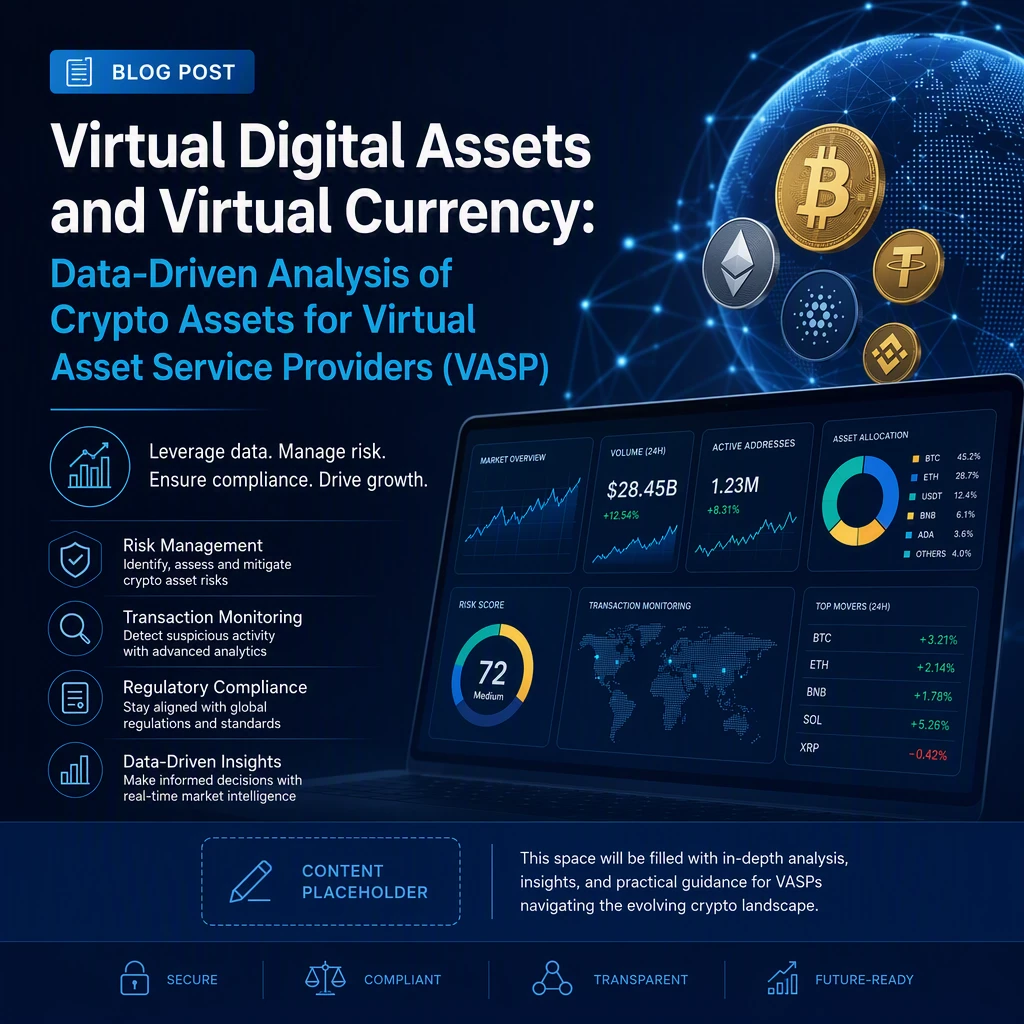
As the market matures, the role of decentralized platforms becomes increasingly critical for individual and institutional success. By utilizing resources like comprehensive digital asset protection tools, users can safeguard their portfolios from emerging threats while capitalizing on the volatility inherent in these high-growth sectors. Success in this field relies on maintaining a balanced perspective between innovative risk-taking and prudent regulatory adherence.
Navigating the Changing Landscape of Crypto Assets

Navigating the changing landscape of crypto assets demands a disciplined approach to research, as these digital assets are no longer niche products but central components of international capital market systems. Understanding the interplay between virtual currency and traditional financial institutions is essential for anyone seeking long-term stability in their investment trajectory. Experts emphasize that the rapid deployment of these technologies, coupled with increased institutional adoption, has created a robust ecosystem where liquidity and security are paramount.
Monitoring the progress of these assets allows participants to anticipate regulatory adjustments and capitalize on shifting market sentiment effectively. Whether you are tracking the performance of Bitcoin or exploring secondary market opportunities, staying informed remains your best defense against market turbulence. The shift toward digitized value exchange is undeniable, forcing participants to adapt their strategies to maintain a competitive edge.
Why Digital Assets and Virtual Currency Matter Now
Digital assets and virtual currency matter now more than ever due to their unprecedented ability to streamline transactions, reduce latency, and provide a transparent distributed ledger for users across the globe. These assets empower individuals by removing traditional barriers to entry that have historically limited access to financial services in underdeveloped regions.
Furthermore, the rise of sustainable finance initiatives within the crypto sphere ensures that growth is not achieved at the expense of environmental responsibility, bridging the gap between profit and purpose. By leveraging professional guidance like the insights provided by expert crypto market analysis reports, investors can better identify which tokens or projects demonstrate genuine long-term value. This sector is fundamentally rewriting the rulebook on how we define property and value in a globalized, internet-first economy. Embracing this shift requires shifting your mindset from purely speculative trading to a long-term outlook focused on technological utility and fundamental market strength.
Strategic investment purposes for new portfolios
Strategic investment purposes for new portfolios revolve around the intentional diversification of capital into high-growth assets that offer both liquidity and potential for long-term appreciation. A well-constructed portfolio often balances stable assets with emerging technology-driven options, ensuring that overall exposure to risk remains within manageable limits. Many investors are now integrating various tokens and blockchain-based instruments to hedge against traditional economic downturns.
By applying structured methodologies to select and hold these instruments, participants can create a robust foundation that survives even the most volatile market conditions. The key is to prioritize assets that offer clear transparency in their technical documentation and demonstrate active developer support, which are reliable indicators of future viability. When approaching these decisions, remember that the goal is not merely quick gains but the building of lasting wealth through disciplined asset allocation and continuous monitoring of global economic developments.
Modern business context for institutional adoption
Modern business context for institutional adoption is defined by the necessity to remain relevant in an increasingly automated and decentralized economy. Institutions are moving beyond simple experimental projects toward deep integration of these assets within their core operational frameworks, recognizing the efficiency gains offered by distributed ledger technology. This shift is particularly evident in how legacy finance entities are adopting new infrastructure to accommodate customer demand for seamless, transparent, and secure digital asset management.
Furthermore, the collaboration between traditional financial institutions and new-age fintech providers is accelerating the normalization of these assets in global portfolios. By analyzing how industry leaders are successfully integrating these tools, mid-sized organizations can adapt their strategies to remain competitive. Key to this adoption is the focus on security, compliance, and scalable architecture that meets the rigorous demands of regulatory bodies while simultaneously offering users an intuitive, user-friendly experience for managing their growing digital holdings.
Applying Blockchain analytics to digital assets
Applying Blockchain analytics to digital assets is crucial for identifying patterns and potential vulnerabilities before they impact your investment or operational integrity. Sophisticated analytical tools allow for the granular tracking of token flows, which is essential for maintaining compliance with international anti-money laundering and know-your-customer standards. Utilizing resources such as specialized blockchain forensic intelligence services, firms can proactively manage risk and ensure that their activity stays within the boundaries of legal expectations.
This deep level of visibility into the chain of custody for every asset ensures that transactions are clean, legitimate, and fully traceable. By monitoring these metrics, institutions and individual investors alike can gain a significant advantage in identifying emerging market opportunities while filtering out projects that lack fundamental technical robustness or ethical alignment. Analytics effectively transform raw transactional data into actionable insights, providing a clear map for navigating the complex web of decentralized finance protocols and private digital ledgers.
Modern business context for institutional adoption
Evaluating the primary market for long-term growth involves a comprehensive assessment of the initial issuance process and the underlying technical architecture of new projects. Investors should look for teams with a proven track record, transparent governance, and a clear vision for how their tokenized investments will integrate into the broader digital economy. By focusing on projects that provide real-world utility rather than purely speculative value, participants can mitigate the risks associated with early-stage assets.
A thorough evaluation also includes examining the security audits performed on the project’s smart contracts, which are foundational to preventing vulnerabilities or malicious hacks. Furthermore, understanding the distribution model and tokenomics of the project provides valuable insight into potential future sell-offs or supply shocks that could impact long-term valuation. Investing in the primary market is a long-term commitment that requires patience, rigorous scrutiny, and the ability to distinguish between genuinely innovative solutions and superficial marketing efforts.
Assessing the secondary market for liquidity
Assessing the secondary market for liquidity requires understanding the exchange dynamics and volume patterns that facilitate the buying and selling of established assets. A highly liquid secondary market ensures that participants can exit or re-enter positions with minimal price impact, which is vital for both institutional stability and individual portfolio management. Investors should monitor exchange depth, bid-ask spreads, and order book activity to gauge the health of a specific asset’s ecosystem.
Furthermore, the presence of multiple reputable exchanges offering access to an asset is a strong indicator of its market acceptance and overall reliability. When volatility strikes, the ability to act on liquidity becomes the most valuable tool for preserving capital and seizing strategic opportunities. Consequently, focusing on assets that maintain consistent volume and active trading participants allows for smoother execution of complex investment strategies, ultimately reducing the risk of being trapped in underperforming or stagnating projects during periods of market stress.
Essential Tax Information and Broker Compliance
Essential tax information and broker compliance measures represent the final frontier of mainstreaming these assets, as clarity in reporting requirements is necessary for long-term investor confidence. Every taxable gain from the disposal of property must be meticulously documented to ensure that individuals and entities remain in full compliance with the Internal Revenue Code.
Failing to provide accurate information regarding financial interest in foreign or domestic accounts can lead to significant penalties, making it essential to consult with specialized accounting firms that understand the nuances of the digital space. For many, the complexity of reporting these assets is the greatest challenge, often requiring sophisticated software to aggregate data from multiple wallets and exchanges. By staying informed about current tax laws, investors can avoid unnecessary complications and ensure their financial strategy is both profitable and legally sound. Adopting a culture of transparency in reporting is the best way to secure your financial legacy in this evolving, technology-driven era.

Managing capital gain and penalty relief
Managing capital gain and penalty relief is achievable when investors maintain organized and transparent records of every transaction from the outset. Because tax authorities now treat these digital holdings as property, calculating the profit or loss on each trade is mandatory for accurate tax return preparation. If a taxpayer has unintentionally missed previous reporting obligations, seeking proactive guidance from professional tax experts can help in identifying potential avenues for voluntary disclosure and mitigation of associated penalties.
The key to relief often lies in demonstrating that errors were not the result of deliberate evasion, but rather a misunderstanding of a rapidly changing legal environment. Utilizing the resources at professional tax compliance and advisory services, individuals can streamline their reporting process and ensure that they are meeting all regulatory obligations. Maintaining a disciplined approach to documentation today prevents significant headaches when the time comes to file, ultimately protecting your capital and your reputation from unnecessary regulatory scrutiny.
Modern business context for institutional adoption
Navigating corporate tax implications for holders requires a robust accounting framework that addresses both the local and international tax obligations relevant to their business operations. Corporate entities holding large positions must account for the volatility of these assets on their balance sheets, which often involves complex valuation adjustments that can influence their overall reported earnings. Furthermore, determining the correct tax treatment for staking rewards, yield farming, or liquidity provision requires a deep dive into local tax laws that may not yet be fully modernized for this sector.
Companies should work closely with auditors to establish a clear policy for classifying these holdings, ensuring that financial reporting is consistent with the nature of the assets. By standardizing these accounting practices, firms can not only satisfy their tax authorities but also provide clarity to stakeholders and investors who expect transparency in corporate financial reporting, regardless of the underlying complexity of the asset class.
Strengthening virtual asset security protocols
Strengthening virtual asset security protocols is a vital defense mechanism for anyone holding significant digital wealth, as the risks of theft and unauthorized access remain prevalent. Institutions and individuals must implement multi-factor authentication, hardware security modules, and cold storage solutions to ensure their private keys are never exposed to insecure environments. Regular security audits of your own internal systems, coupled with the use of reputable third-party custody providers, can drastically reduce the surface area for potential attacks.
Furthermore, staying educated about common phishing tactics and social engineering scams is just as important as the technical safeguards you put in place. Security is not a one-time setup but a continuous process of updates and vigilance, requiring you to monitor new vulnerabilities and patch your infrastructure accordingly. When you treat security as a foundational aspect of your strategy, you protect not only your current holdings but also your capacity to participate safely in the future of the digital economy.
Proven strategies for hospitality accounting and content
Proven strategies for hospitality accounting and content, while specific in focus, demonstrate how diverse industries are beginning to accept payment through innovative, digital methods. Hotels and travel agencies are increasingly adopting these tools to cater to a global clientele that prefers secure and fast digital payments over traditional legacy banking. For those in the sector, using platforms like modern digital accounting and business tools can help simplify the reconciliation of payments from various global sources.
These businesses rely on high-quality content to explain their adoption of these payment technologies, helping to build trust with a demographic that values efficiency and technological prowess. While these strategies are tailored for service-oriented firms, the underlying requirement remains the same: accuracy in record-keeping and a seamless user experience that does not compromise on regulatory compliance or financial transparency. When companies successfully integrate these technologies, they differentiate themselves as forward-thinking leaders in a competitive hospitality landscape.
Standardizing validation for audit readiness
Standardizing validation for audit readiness is essential for any firm that deals with high volumes of digital transactions, as auditors require clear and verifiable proof of all account activity. Establishing a standardized process for tagging, classifying, and recording each transaction ensures that when an audit occurs, the firm can provide clean and audit-ready reports without significant manual labor. This often involves integrating automated reconciliation software that pulls data directly from blockchain explorers and exchanges, ensuring that the information is accurate and timestamped.
By creating a rigorous internal control environment, businesses can mitigate the risks of human error and ensure that their compliance standards are consistently met. This level of preparation not only satisfies regulatory mandates but also builds significant trust with institutional investors and partners who require confidence in the underlying financial integrity of the firms they choose to do business with.
Evaluating the primary market for long-term growth
Maintaining clean placeholder data for reports is a subtle but vital practice for developers and analysts tasked with building robust, scalable internal systems. By utilizing standardized syntax and clear schema definitions within your data architecture, you ensure that future processing and analysis can occur without confusion or loss of critical information. When datasets are maintained in a uniform format, it becomes much easier to identify anomalies, track trends, and build predictive models that rely on high-quality input.
Furthermore, proper data hygiene means that your reporting tools can generate insights without being hampered by messy, unstructured, or outdated information. This focus on clean data infrastructure is the silent foundation of successful digital asset management, allowing firms to pivot quickly, make data-driven decisions, and maintain a competitive edge. Ultimately, the quality of your output is entirely dependent on the quality of the raw data and the rigor with which you manage it throughout the entire project lifecycle.
Regulatory Compliance and Virtual Asset Service Provider Standards
Regulatory compliance and virtual asset service provider standards are essential for the long-term legitimacy and safety of the entire digital ecosystem. Service providers, or VASPs, are now required to adhere to strict guidelines that mirror those of traditional financial institutions, including rigorous anti-money laundering and counter-terrorism financing protocols. These mandates are designed to protect the public from fraudulent schemes, such as investment scams, while ensuring that the infrastructure remains secure and trustworthy for legitimate users.
As governments around the world work to align their policies with international standards, providers must prove their commitment to transparency and user protection. For the end user, this means that selecting a compliant provider is not just a regulatory formality—it is a critical step in safeguarding your assets and ensuring that your activity remains on the right side of the law. As this sector grows, those who operate with integrity and compliance will naturally emerge as the leaders in global trade.
Decoding the Money Services Act and VASP mandates
Decoding the Money Services Act and VASP mandates is critical for companies looking to establish a secure and compliant presence in the global market. These regulations, which often include provisions like the Uniform Money Services Act, aim to standardize how virtual currency exchange services operate across different legal jurisdictions.
By requiring providers to register, maintain sufficient capital reserves, and report suspicious activity, regulators are actively cleaning up the market and creating a safer environment for everyone involved. For a business, this implies a need for robust internal policies that govern every aspect of user engagement, from account onboarding to transaction monitoring and secure record-keeping. Utilizing platforms such as reliable compliance advisory for digital services helps firms navigate these often dense regulatory texts. Compliance is not just about avoiding fines; it is about building a sustainable business model that earns the trust of users and regulators alike in an increasingly complex and regulated legal landscape.
Securing a valid VASP license for global trade
Securing a valid VASP license for global trade is a monumental step for any firm that plans to offer digital asset services across borders, as it provides the necessary legal clearance to operate in multiple jurisdictions. This process involves proving that your firm meets stringent criteria related to security, operational risk management, financial stability, and customer protection. The license acts as a seal of approval, signaling to both consumers and financial partners that your firm has been vetted and is capable of meeting high regulatory thresholds.
While the path to obtaining such a license can be time-consuming and resource-intensive, the resulting benefits—including greater trust, access to larger institutional capital, and the ability to operate without fear of sudden regulatory intervention—are immense. Firms that prioritize this path are demonstrating their commitment to building long-term value, as they are now fully prepared to scale their operations globally without compromising on the ethical and legal standards that define the modern market.
Evaluating the primary market for long-term growth
Aligning with FATF guidelines for market safety is a mandatory exercise for any reputable organization participating in the digital asset space, as these recommendations are the foundation of global anti-money laundering and counter-terrorism financing efforts. These guidelines require that companies implement robust transaction monitoring systems and verify the identities of all counterparties involved in significant transfers, a practice often referred to as the ‘travel rule.’ By ensuring that every transaction is associated with verifiable identity information, firms protect the integrity of the broader financial system and prevent the misuse of digital assets for illicit purposes.
This commitment to market safety is a hallmark of responsible leadership in the industry, and it plays a critical role in encouraging widespread institutional adoption. When companies align their practices with FATF standards, they contribute to a cleaner, safer, and more transparent financial environment, ultimately benefiting all participants in the global digital economy by reducing the risks of fraud and crime.
Applying Blockchain analytics to digital assets
Interaction with law enforcement and regulation is a necessary, and often positive, component of the modern digital landscape. Rather than viewing these interactions as purely antagonistic, firms should recognize them as essential partnerships that help purge the market of bad actors and promote long-term stability. When incidents like ransomware attacks or fraudulent schemes occur, law enforcement agencies rely on the cooperation of service providers to track the movement of funds and recover assets.
This collaboration is only possible when providers maintain detailed and accurate records, as mandated by current financial regulations. By being transparent and cooperative, firms can help prevent the systemic risks that arise from unmonitored digital activity. This, in turn, helps maintain market confidence, which is the lifeblood of sustainable growth in this sector. Ultimately, proactive engagement with regulators and law enforcement is not just about compliance—it is about actively participating in the creation of a secure and resilient future for all global digital asset holders.
Evaluating the primary market for long-term growth
Essential implementation of oversight measures involves the deployment of sophisticated internal controls that monitor user behavior and transactional flows in real-time. By using automated alerts, firms can instantly flag potentially problematic actions, such as rapid account churn or unusual volume spikes that might indicate money laundering or fraud. This oversight is not just for regulatory compliance; it is a vital part of internal risk management that protects the firm’s assets and reputation from the fallout of illicit activity.
Implementing these measures also includes regular staff training, internal audits, and the appointment of dedicated compliance officers who remain up-to-date on the latest regulatory requirements. When an organization embeds these controls deeply into its operational architecture, it creates a culture of security that naturally filters out risks before they become major issues. The result is a more resilient and trustworthy platform that is better prepared to handle the pressures of both the market and the regulatory environment.
Assessing the secondary market for liquidity
Adapting to new policy directives from the CFTC is a continuous requirement for firms operating in the US, as the agency expands its oversight to include more types of virtual assets that are classified as commodities or derivatives. These directives often require firms to upgrade their reporting systems, implement stricter data-handling procedures, and increase their capital reserves to account for potential market volatility. While the regulatory landscape is shifting, it is also becoming more defined, which can be an advantage for businesses that are willing to invest in compliance early on.
By monitoring the CFTC’s announcements and responding proactively to new guidance, firms can gain a competitive advantage by positioning themselves as reliable and stable partners. This adaptation process is not a one-time event; it is an ongoing cycle of listening, analyzing, and pivoting to ensure that your firm’s operations remain aligned with the evolving expectations of US financial regulators and the broader market.
Driving Value Through Data Analysis and Metrics
Driving value through data analysis and metrics requires moving beyond superficial observations to uncover the deeper insights that fuel strategic decision-making in the virtual asset world. By leveraging advanced algorithms and Artificial intelligence, firms can synthesize vast amounts of market information, ranging from on-chain transaction volumes to social sentiment, into actionable intelligence. This data-driven approach is essential for identifying potential growth areas, managing risk, and optimizing the deployment of capital in a highly competitive market.
Whether you are tracking the health of a DeFi protocol or analyzing the performance of a portfolio of NFTs, the ability to interpret these metrics separates successful leaders from the rest of the pack. For those seeking professional guidance on enhancing their visual identity or improving market communication, leveraging services like expert digital branding and aesthetic design can ensure that your analysis is presented as clearly as it is developed. Data is the key to unlocking the full potential of your investments.

Applying Blockchain analytics to digital assets
Understanding key variables in virtual assets is fundamental to building a model that can predict market behavior and inform investment strategies. Variables such as hash rate, active wallet counts, transaction latency, and supply-demand ratios provide a picture of an asset’s true health that is far more reliable than mere speculation or price volatility alone. When you dissect these variables, you can begin to see the difference between a project with real, sustainable utility and one that is simply riding the waves of a temporary trend.
This deep-dive approach requires familiarity with the technical infrastructure of the blockchain, as well as the ability to interpret the statistics derived from it. For firms, understanding these variables is the difference between making informed, data-backed trades and falling victim to market manipulation. By focusing on these core indicators, you build a foundation of knowledge that allows you to act with conviction and confidence, even in the face of significant market fluctuations or uncertainty.
Evaluating the primary market for long-term growth
Analyzing metrics for sustainable finance growth involves assessing not only the profitability of an investment but also its long-term impact on the ecosystem it inhabits. Key performance indicators in this space should include the efficiency of consensus mechanisms, the social value provided by the tokenized project, and the degree of decentralization inherent in its governance model. By evaluating these metrics, investors can identify opportunities that align with their personal or institutional values while still pursuing attractive financial returns.
This approach shifts the conversation from short-term speculation to the building of an equitable and resilient financial infrastructure that can stand the test of time. Firms that prioritize these metrics in their investment analysis are better positioned to attract a new generation of impact-oriented capital, creating a win-win scenario that rewards both the investor and the project, while simultaneously contributing to the overall health and maturity of the broader digital asset economy.
Assessing the secondary market for liquidity
Developing custom brochures for stakeholder engagement is a vital skill for companies that need to translate complex technical concepts into accessible and persuasive information for investors and partners. These materials should focus on the core value proposition of your digital assets, detailing the technical advantages, security measures, and future roadmaps that demonstrate your commitment to long-term growth.
By using clear language, professional visuals, and evidence-based metrics, you can simplify the process of understanding your strategy and build the confidence necessary for continued institutional support. A well-crafted brochure is more than just marketing; it is a crucial tool for aligning your stakeholders’ expectations with the reality of your operations. When your documentation is consistent, clear, and focused on the facts, you remove the barriers of confusion and skepticism, making it significantly easier to secure the backing required to scale your project and achieve your strategic objectives in this digital era.
Leveraging Customer Advisories for better findings
Leveraging customer advisories for better findings is a powerful way to tap into the collective intelligence of your user base, providing you with real-world feedback on what is working and what needs improvement. By maintaining a structured, two-way communication channel, firms can identify pain points in their service, detect potential security issues, and gather insights on new features that would provide the most value. This feedback loop is essential for refining your product offerings and ensuring that they remain relevant in a rapidly changing market.
When you treat customer feedback as a strategic asset rather than an operational nuisance, you cultivate a loyal community of users who are invested in your success. This collaborative approach not only improves the overall quality of your services but also serves as an early-warning system for potential issues, allowing you to address them before they escalate. In the digital age, the most successful companies are those that listen, learn, and iterate based on the needs of their community.
Assessing the secondary market for liquidity
Implementing a QR code for secure account access is a simple yet highly effective way to enhance the user experience while maintaining the highest level of security for digital portfolios. By moving away from password-only authentication and adopting multi-factor methods, you significantly reduce the risk of account takeovers and unauthorized access. QR-based protocols facilitate easy, rapid, and secure entry across different devices, which is essential for busy professionals who need to manage their assets on the go.
This implementation is part of a broader shift toward seamless, technology-first interfaces that do not force users to sacrifice security for convenience. As firms continue to modernize their access systems, incorporating these intuitive and secure methods is a hallmark of a user-centric philosophy that prioritizes both protection and accessibility, ultimately helping to build a more trusting and loyal user base that feels safe and comfortable with their digital interactions.
Refining methodology for internal content audits
Refining methodology for internal content audits is a necessary practice for any firm that produces a high volume of information, as it ensures that all outgoing communications remain accurate, professional, and compliant with current regulations. A rigorous audit process involves verifying every claim made about your digital assets, ensuring that technical descriptions are up-to-date, and confirming that all regulatory disclosures are prominently featured. This consistency in content is vital for maintaining the firm’s reputation as a trustworthy and reliable actor in the digital space.
By regularly reviewing and updating your internal documentation, you prevent the spread of outdated or misleading information that could lead to misunderstandings or legal risks. When you apply the same level of discipline to your content as you do to your financial reporting, you create a cohesive and strong brand identity that stands out in a crowded market, ultimately supporting your efforts to drive long-term financial growth and institutional credibility.
Future Protection and Capital Markets Evolution
Future protection and capital markets evolution go hand-in-hand, as the global financial system adapts to the transformative potential of digital assets. We are entering an era where decentralized ledger technology is becoming the standard for speed, transparency, and efficiency, forcing traditional markets to innovate or risk being left behind. Protecting your capital in this future means staying ahead of the curve, understanding the shifting regulatory landscape, and focusing on the core assets that offer genuine utility and growth potential.
As we look toward the future, the integration of traditional financial principles with cutting-edge blockchain technology will create a more stable, accessible, and inclusive global economy. By focusing on security, data-driven strategies, and strong compliance, participants can navigate these changes with confidence. The future of capital markets is digital, and those who are prepared will be the ones to reap the rewards of this historical transition.

Building resilience through Know Your Customer protocols
Building resilience through Know Your Customer (KYC) protocols is the foundation of a safe and reliable digital economy. These procedures are not just regulatory burdens but are the primary means of preventing financial crime, protecting users from fraud, and establishing the accountability that is essential for a mature market. By implementing robust identity verification, firms ensure that they know exactly who they are doing business with, which significantly reduces the potential for illicit behavior within their systems.
This, in turn, fosters an environment where institutional and retail investors feel confident enough to commit larger amounts of capital. Resilience is about more than just security; it is about building a reputation for excellence and integrity that attracts the right participants to your ecosystem. When a firm sets high standards for its onboarding and verification processes, it creates a moat around its operations, insulating it from the risks that affect less-disciplined competitors in the broader, often volatile, market landscape.
Assessing the secondary market for liquidity
Enhancing navigation of complex market data is a critical skill for any investor looking to thrive in the modern era of finance, where information moves at the speed of light. Using sophisticated software and data visualization tools allows you to cut through the noise and identify the signals that truly matter for your strategy. Whether it is tracking the movement of institutional capital or monitoring the development activity of a specific blockchain network, your ability to synthesize this data into actionable insights is what will define your success.
By focusing on the quality of your sources and the methodology you use to interpret them, you can build a more resilient strategy that is not swayed by temporary market sentiment. This proactive approach to data management allows you to make calm, informed decisions, positioning yourself to seize opportunities before they become obvious, and protecting your capital from the traps that often catch reactive, poorly-informed participants.
Applying protective layers against fraud
Applying protective layers against fraud is a mandatory aspect of modern digital asset management, as the sophistication of investment scams continues to evolve in tandem with the technology. These layers should include technical safeguards like multi-signature wallets, social engineering training for all team members, and the use of real-time fraud detection software that monitors for unusual patterns in transactional behavior. By creating a defense-in-depth strategy, you ensure that even if one layer is compromised, your assets remain secure.
This proactive stance is essential for maintaining the trust of your clients and partners, and it is a key differentiator in a market where trust is the most valuable currency. When you demonstrate that you have taken every reasonable step to protect against fraud, you provide your stakeholders with the peace of mind they need to remain engaged, allowing you to focus on your core mission of building long-term growth and value.
Scaling sustainable finance with placeholder content
Scaling sustainable finance with placeholder content may seem like a technical abstraction, but it represents the necessity of having standardized, scalable systems ready for future growth. By utilizing modular data structures and clear internal frameworks, companies can build the infrastructure needed to support a rapidly expanding user base while maintaining the high standards required for sustainable operations. This is about being ready for the future today, ensuring that your technical processes can handle the increased load of a maturing digital market without compromising on quality or accuracy.
When firms prioritize this kind of infrastructure, they enable themselves to scale quickly and effectively, meeting the demands of their users while maintaining the transparency and security that are the hallmarks of successful financial organizations. This long-term mindset is the engine of sustainable growth, allowing you to build a foundation that supports increasingly complex operations as your influence and presence in the global capital markets continue to expand.
Improving data accuracy for institutional investors
Improving data accuracy for institutional investors is paramount, as these entities require the highest level of detail and precision to justify their positions and satisfy their own internal risk assessments. By implementing robust data validation protocols, firms can ensure that every piece of information they provide is verified, timely, and free from the errors that often plague lower-tier data sources. This commitment to accuracy builds the foundation for long-term relationships, as institutional partners learn that they can rely on the data provided to make high-stakes, multi-million dollar decisions.
When firms invest the time and resources into data hygiene and validation, they effectively lower the barrier for institutional participation, helping to drive the maturation of the broader market. This is not just a service—it is a strategic necessity for any organization that intends to play a significant role in the future of the digital economy by providing the standard of evidence that sophisticated capital markets demand.
Finalizing the methodology for future growth
Finalizing the methodology for future growth involves documenting the processes, standards, and strategic pillars that have brought you to your current level of success and refining them for the next stage of your journey. This is the moment to look back at the lessons learned from previous market cycles and incorporate those insights into a more durable and adaptable framework.
Whether it is adjusting your risk management models, refining your approach to compliance, or optimizing your data processing capabilities, the goal is to build a methodology that can withstand the inevitable changes in the global digital landscape. By formalizing these approaches and ensuring that they are deeply embedded in your firm’s culture, you set the stage for sustained success, positioning yourself as a resilient leader in the industry. The future belongs to those who are disciplined, proactive, and committed to a methodology that emphasizes both innovation and caution in equal measure.