Quick Summary: Your crypto wallet can’t be hack-proof-even cold storage fails if you approve a fake contract or leak your seed phrase to a scammer. The guide stresses treating every transaction like a final move, using hardware wallets for long-term holdings, and storing recovery phrases offline on durable, non-digital backups. A single mistake-like pasting a poisoned address or trusting a ‘support’ request for your private key-can drain your funds instantly, with no recourse.
Cold storage alone cannot save funds if you approve a bad contract, paste a poisoned address, or share a recovery phrase with a fake support site. A secure crypto wallet needs strong habits across custody, devices, and every transaction. This guide gives practical cryptocurrency wallet protection steps, explains why no hack proof wallet exists, and shows how experienced investors limit loss before and after an attack.
Understand What Makes a Crypto Wallet Secure
A secure crypto wallet protects your private keys, device access, and each transaction you approve. Security fails if any one layer breaks.
Hardware Wallets Versus Software Wallets
Hardware wallets keep keys offline and require you to confirm transfers on the device. Software wallets are faster for daily use, but your phone or browser faces more phishing and malware risk. CISA warns that malicious crypto apps can steal private keys through fake downloads and social tricks in its AppleJeus advisory.
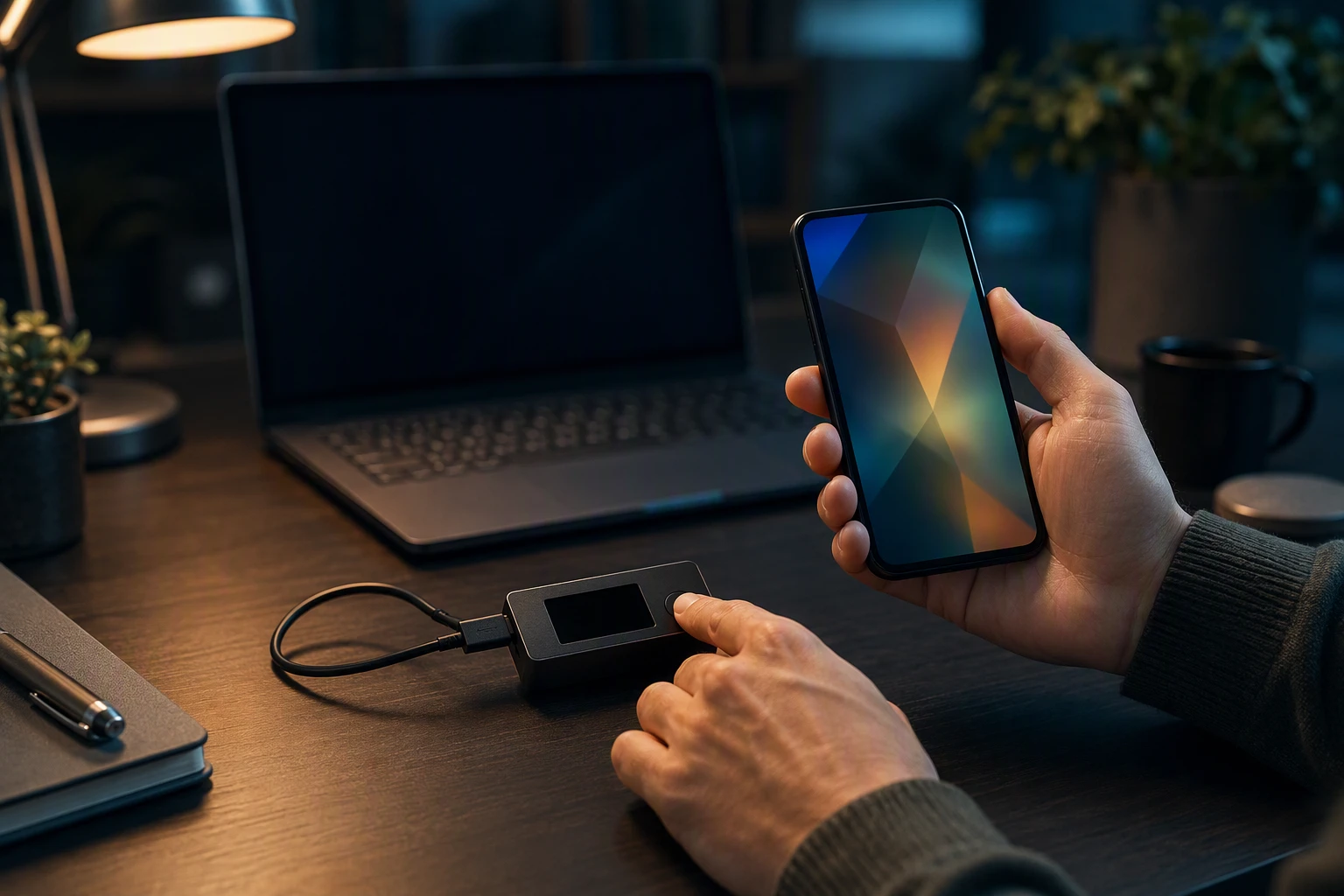
- Use a hardware wallet for long-term holdings.
- Use a separate, low-balance software wallet for active trades.
Custody, Recovery, and Irreversibility
A secure crypto wallet also needs clear custody. Self-custody gives you control, but losing your recovery phrase can mean permanent loss. Never share it or store it online.
Treat every transfer as final. Check the address and network before approval.
A secure crypto wallet should have:
- Offline recovery phrase backups.
- A strong device PIN.
- Verified app downloads.
Also Read: https://cryptoscobra.com/blog/1-best-crypto-platforms
Protect Your Seed Phrase and Private Keys
Use Offline, Durable Backups
Your seed phrase is the master backup for your wallet. Write it by hand on paper or stamp it into metal, then store copies in two separate, secure places.
- Keep each copy offline and out of sight.
- Test that every word is clear and in order.
- Protect backups from fire, water, and theft.
Warning: Anyone with your seed phrase can take your funds. There is no support desk that can reverse it.
![BEST Seed Phrase Storage [Keystone Tablet Plus]](
)
Never Digitize or Share the Phrase
Do not photograph, scan, email, text, or save your phrase in cloud notes. Malware can steal wallet data and private keys from infected devices, as CISA warns.
- Never enter it into a website or form.
- Ignore anyone claiming they need it for “support.”
- Treat a private key like a signed blank check.
Also Read: Discover 1000x Altcoins: Barsik Coin & Pnut Coin Insights
Recognize and Block the Most Common Wallet Attacks
Phishing, Fake Support, and Giveaway Scams
Treat unsolicited wallet alerts, support messages, and giveaways as hostile. The FTC warns that real businesses do not demand crypto payments or ask for secret recovery phrases through messages. Check messages independently.
- Never share a seed phrase or private key.
- Type the official site yourself.
- Ignore “send crypto, get double back” offers.
Warning: Support staff never need remote access to your device.

Address Poisoning, Clipboard Malware, and Malicious Approvals
Address poisoning plants a similar-looking address in your history. Clipboard malware swaps the address you copied. Malicious approvals let a smart contract move tokens later.
- Check the full recipient address, especially first and last characters.
- Send a small test transfer for large amounts.
- Read approval requests and revoke permissions you no longer need.
Also Read: Crypto Cobra Blog: Crypto News, Reviews & Market Insights
Build a Wallet Security Routine and Respond to Compromise
A Practical Security Routine
Build habits that catch mistakes before funds move. CISA recommends updates, phishing awareness, and multi-factor authentication for crypto threats. Review its guidance.
- Check wallet approvals and active sessions each week.
- Update your wallet app, browser, and device promptly.
- Verify addresses on the wallet screen before signing.
- Keep recovery phrases offline and private.
Never enter a recovery phrase into a website, form, or support chat.
What to Do After Exposure or Unauthorized Activity
Act fast. Move remaining funds to a new wallet from a clean device, then revoke risky approvals.
- Disconnect the affected wallet from apps.
- Save transaction hashes and screenshots.
- Change exchange passwords and enable MFA.
- Report phishing messages. CISA says not to click suspicious links or attachments.
A leaked seed phrase means the wallet is no longer safe, even if no funds have moved.
Protect your wallet before your next trade. Visit Crypto Cobra for market insight, security education, and smarter crypto decisions.
Frequently Asked Questions
Q1: How can I securely store my crypto wallet seed phrase to prevent theft or loss?
Write it offline on durable paper or metal. Keep two copies in separate secure places. Never photograph, email, cloud-store, or share it. Split access only with people you fully trust.
Q2: What are the most common crypto wallet hacks and how can I avoid them?
Phishing links, fake wallet apps, malware, and scam approvals cause most losses. Type sites yourself, verify downloads, update devices, and reject transaction requests you do not understand.
Q3: Is a hardware wallet safer than a software wallet? Which one should I choose?
Hardware wallets keep private keys offline, so they suit long-term holdings. Use a reputable software wallet for small, active balances. Check every address and amount on the hardware device screen.
Conclusion
Protect crypto by separating custody, device, and transaction risks. Guard seed phrases, verify every approval, and act fast after exposure. The FTC warns that crypto transfers are usually irreversible.