
Will crypto recover? The question dominates financial forums as investors monitor how the Federal Reserve shapes monetary policy, influencing global financial conditions. As analysts look toward July 2026, the intersection of Bitcoin, liquidity, and broader macroeconomic shifts becomes the primary focus for portfolio growth. High institutional interest, channeled through spot Bitcoin ETFs and evolving regulatory frameworks, provides a baseline for potential market momentum that could stabilize long-term valuations.
For those seeking expert analysis on these complex cycles, visiting market performance analysis resources provides the data necessary to navigate modern financial cycles. Investors are increasingly watching the fear and greed index, which captures the current volatility inherent in the cryptocurrency market while assessing the impact of stablecoins on total market capitalization. This environment demands that participants understand that recovery is rarely linear, especially when considering the historical context of the four-year cycle. By focusing on disciplined accumulation, professional traders aim to mitigate investment risk while positioning themselves for the next phase of institutional integration into the digital asset space as macroeconomic headwinds begin to subside globally.

5 Signs of Altcoins Market Sentiment Recovery Analysis (Possible Market Crash)
5 signs of a market recovery analysis are essential for long-term investors looking to identify bottom-fishing opportunities amidst current economic uncertainty. A major indicator involves the stabilization of capital flows into major digital assets, suggesting that the recent institutional deleveraging phase may be reaching a necessary conclusion. Furthermore, significant progress in the normalization of interest rates by the Federal Reserve often signals a healthier backdrop for high-beta assets. For a deeper look at business management and market trends, consulting professional investment management insights ensures that stakeholders remain informed.
Will Crypto Recover?
As we evaluate these signals, one must look closely at the adoption of new protocols, including modular compute architectures that enhance network utility and security. When these metrics converge with a reduction in selling pressure, potential price momentum gains traction, signaling that the worst of the cycle may have passed. Discipline remains the most critical factor for investors currently navigating this noise, ensuring they do not fall victim to emotional trading traps that often define volatile periods of transition within the broader financial markets during this specific timeframe.
How Market Sentiment Impacts Bitcoin
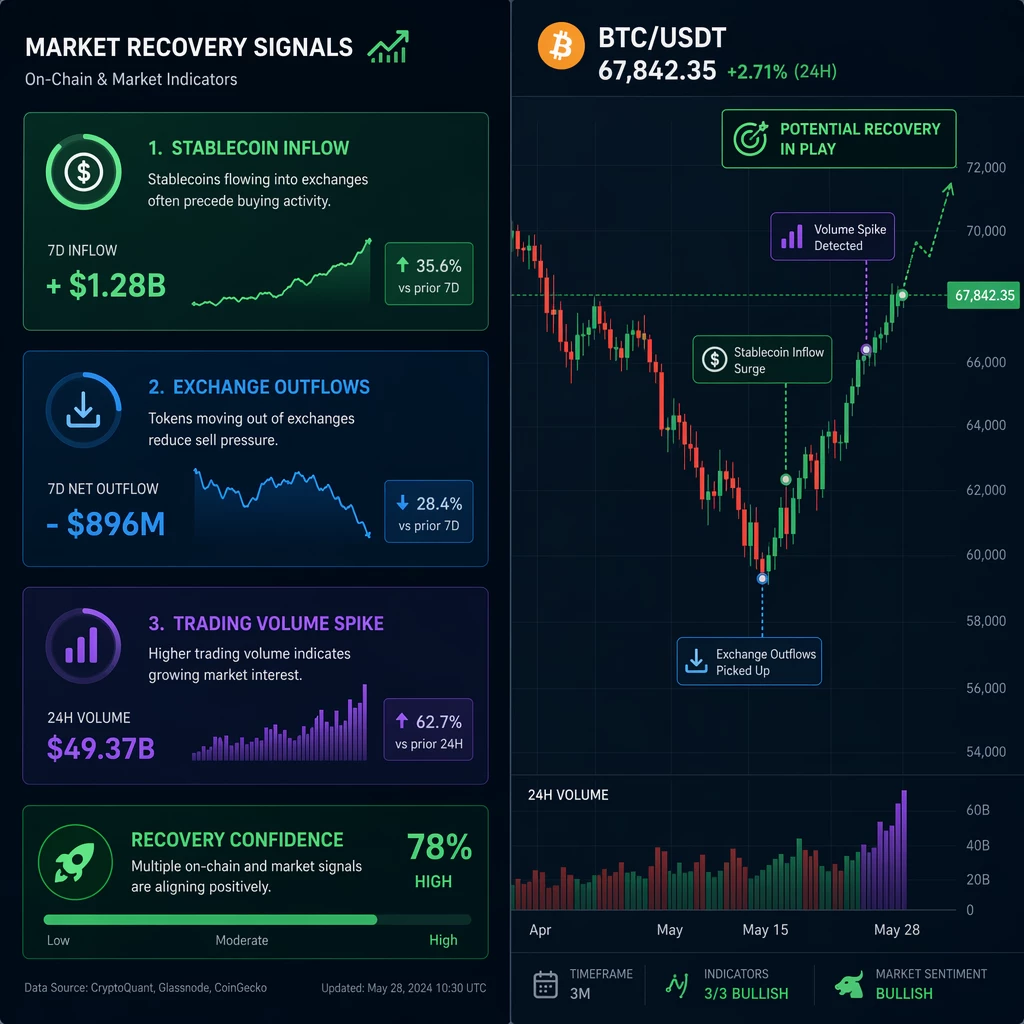
How market sentiment impacts Bitcoin highlights the psychological element of trading, where fear often leads to panic selling, while greed drives unsustainable rallies that typically end in corrections. This asset, currently serving as a primary settlement layer, reacts sharply to global liquidity updates and changes in the monetary policy settings dictated by central banks. When sentiment bottoms out according to the classic fear and greed index, savvy investors often initiate accumulation strategies, recognizing that short-term volatility frequently masks long-term valuation gains in the blockchain sector.
Analysts frequently debate how stablecoins serve as safe havens during these turbulent periods, essentially acting as the dry powder needed for future market entry once the regulatory fog lifts. Understanding the underlying demand from institutional entities for regulated access is paramount for predicting the longevity of the current cycle. As the network matures, the influence of sentiment wanes relative to fundamental adoption, making it easier for long-term participants to hold through periods of excessive market noise and temporary price stagnation.
Tracking Yuri Molchan Insights for Investors
Tracking Yuri Molchan insights for investors offers a specialized lens into how market makers view ongoing price action and potential recovery trajectories. His commentary often underscores the importance of patience, specifically for those holding Bitcoin and major altcoins during periods of consolidation. By emphasizing that digital assets undergo rigorous stress tests, these insights advocate for a methodical approach to risk management rather than reacting to headlines. Investors benefit from identifying trends in institutional interest that might not be immediately visible to the retail market, such as shifting flows into specific digital infrastructure projects.
Staying updated on such perspectives helps in filtering out market noise, allowing for more strategic decision-making when volatility reaches extreme levels. Through a blend of technical pattern recognition and psychological analysis, investors can better distinguish between a genuine market bottom and a simple bear market bounce, which is crucial for long-term success in the digital finance space as the next expansion phase approaches.
Analyzing Vital Resources for Market Stability
Analyzing vital resources for market stability involves utilizing data-driven tools that track on-chain behavior and exchange health throughout the cycle. Because the market is heavily influenced by external macroeconomic factors, having access to high-quality information is your best defense against investment risk. One must evaluate whether current blockchain scaling solutions can support an increase in transaction volume without compromising decentralization or network efficiency.
For those managing complex portfolios, reviewing strategic leadership and resource management experts can offer clarity on balancing high-growth assets with stable, lower-risk holdings. This comprehensive approach to market analysis ensures that participants are not caught off guard by liquidity crunches or sudden regulatory shifts. By constantly monitoring factors such as global capital movement, the strength of the dollar, and the performance of alternative assets against Bitcoin, investors can construct a robust defensive strategy. Ultimately, true stability emerges from informed decision-making backed by a clear understanding of both traditional finance principles and the unique nuances of this evolving digital domain.
The Core of Modern Portfolio Accounting
The Core of Modern Portfolio Accounting rests upon the integration of sophisticated risk management frameworks that account for the inherent volatility within the Cryptocurrency Market. As investors prepare for the landscape through July 2026, understanding the nuances of valuation becomes paramount for long-term stability. Portfolio accounting must now bridge the gap between traditional asset management and emerging digital ledger technologies, incorporating metrics that track liquidity across decentralized exchanges and Spot Bitcoin ETFs.
This process involves a rigorous analysis of market capitalization versus realized value, ensuring that exposure remains balanced during periods of cyclical downturns. By applying dollar cost averaging, investors can mitigate investment risk, building positions that emphasize sustainable growth over reactionary trading. This systematic approach shields participants from the emotional traps of FOMO, allowing for a clearer perspective on the cyclical nature of digital assets. As the sector matures, the ability to accurately assess the underlying financial health of an investment portfolio determines success in navigating the complex interplay between macroeconomic factors and intrinsic blockchain utility.
Analyzing Vital Resources for Market Stability
Software Solutions for Institutional Stakeholders are becoming increasingly vital as global firms seek to manage their exposure to Bitcoin and other digital assets within a standardized operational environment. These high-performance platforms provide the necessary infrastructure for effective institutional deleveraging, offering real-time monitoring of settlement layers and cross-chain liquidity. By embedding robust accounting capabilities into existing ERP systems, these tools enable stakeholders to visualize their holdings across diverse ecosystems, from Ethereum to modular compute networks.
Such software helps navigate the current Federal Reserve monetary policy landscape by automating compliance reporting and ensuring that audit trails are maintained for regulatory scrutiny. With the increasing influence of stablecoins as a medium of exchange, institutional grade interfaces allow for the seamless management of working capital and treasury operations. This technological foundation is essential for maintaining liquidity in high-stress scenarios, ensuring that institutional participants can act decisively during market shifts while maintaining the security parameters required by fiduciaries operating within the rapidly evolving landscape of digital finance.
Ensuring Confidentiality in Digital Asset Tracks
Ensuring Confidentiality in Digital Asset Tracks is a critical challenge that necessitates the application of advanced cryptography and privacy-preserving technologies within financial workflows. As institutional interest grows, the need to protect sensitive transaction details while maintaining transparency for regulatory compliance has spurred innovation in zero-knowledge proofs and secure oracle networks. These advancements provide a shield against potential leaks of proprietary trading strategies, which is particularly important during periods of market resistance.
By obfuscating the links between public wallet addresses and institutional identities, organizations can participate in the broader economy without exposing their strategic positions to competitors. Furthermore, developers are focusing on building private, permissioned sidechains that operate alongside the main blockchain to facilitate secure settlement. This dual-layer approach allows entities to benefit from the speed of modern distributed ledgers while keeping their balance sheet fluctuations shielded from unnecessary scrutiny. Maintaining this delicate balance between protocol-level privacy and global oversight is essential for the sustained integration of digital assets into the legacy financial architecture by July 2026.
Evaluating Market Volatility in Modern Cryptocurrency
Evaluating market volatility in modern cryptocurrency reveals that price fluctuations are not merely signs of weakness but manifestations of a maturing sector finding its equilibrium. The interplay between institutional deleveraging and the ongoing quest for decentralized finance standards creates a dynamic often misunderstood by short-term traders. To manage these risks effectively, finding bridge financial and lending solutions proves helpful for those needing liquidity without liquidating core capital positions. Volatility serves as a filter, separating long-term developers and believers from speculative participants seeking quick gains.
When Bitcoin faces resistance at key technical levels, the reaction of altcoins often indicates whether investors are moving toward safety or high-risk assets. This behavior is symptomatic of the broader economic environment where investors track Central Bank balance sheets and their impact on global liquidity. Developing a nuanced view of these mechanics allows firms to view volatility as a recurring feature that can be exploited for strategic entry points throughout the four-year cycle rather than a reason to exit the market entirely during inevitable corrections.
Fed Policy and the Federal Reserve Pivot
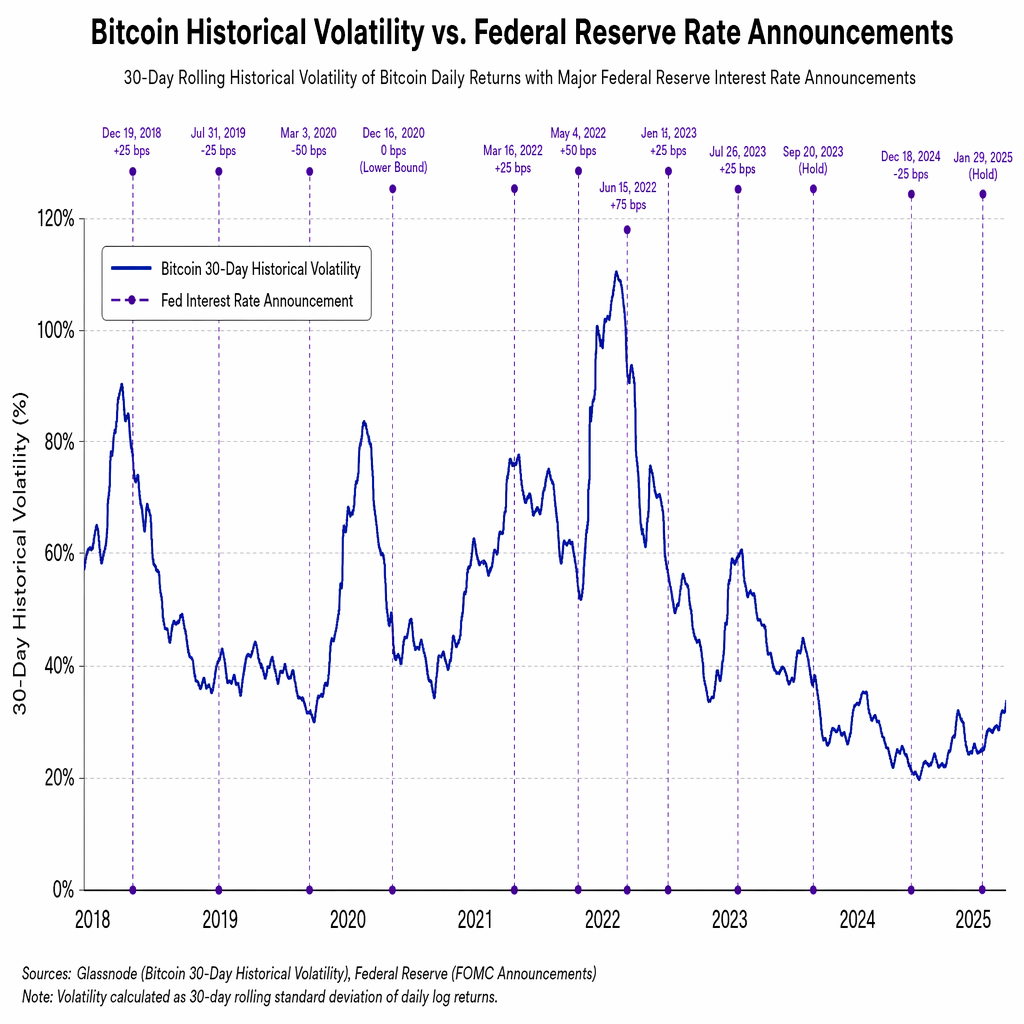
Fed policy and the Federal Reserve pivot are the most significant macro variables influencing the trajectory of digital asset prices globally. When the Federal Reserve signals a shift from tightening to accommodative policies, market capitalization across the crypto sector typically expands due to the influx of cheap capital seeking higher yield. Conversely, sustained periods of high interest rates increase the cost of capital, often suppressing speculative fervor and leading to consolidation.
This macroeconomic pivot effectively dictates the risk appetite for institutional players, determining the speed at which capital moves into spot Bitcoin ETFs. Investors who ignore this relationship are often blindsided by the depth of corrections or the intensity of bull market phases. By keeping a watchful eye on central bank rhetoric, traders can often anticipate market shifts before they manifest in price action, ensuring they have sufficient liquidity to rebalance their positions. As the industry looks ahead, the correlation between monetary policy and digital asset performance is expected to remain high, highlighting the necessity for deep macroeconomic literacy among investors.
Analyzing Vital Resources for Market Stability
Why industries favor digital liquidity rests on the capability of assets like Bitcoin to act as a global, permissionless store of value that is easily transferable. Unlike traditional assets, digital assets offer 24/7 market access, which is crucial for global corporations and institutional entities needing to move capital across borders instantly. As businesses adopt more sophisticated accounting software, such as those found at premium digital asset management tools, the need for deep, stable liquidity becomes even more pronounced.
This efficiency reduces settlement times and costs, providing a competitive edge for companies operating in decentralized finance or web3 sectors. Consequently, the push for institutional adoption serves as a powerful validation for the technology, further cementing its role in the global financial system. Industry leaders are increasingly recognizing that liquidity is not just about trading volume; it is about the reliability and efficiency of the entire ecosystem, which remains the primary attractor for capital inflows during periods of global economic transition.
Maximizing Rewards During Volatility
Maximizing rewards during volatility involves utilizing strategic deployment of capital when the market experiences extreme fear on the fear and greed index. Instead of purely speculative trading, successful long-term investors emphasize risk assessment and portfolio diversification to capture upside potential when recovery begins. Techniques such as dollar cost averaging are particularly effective here, as they allow for the accumulation of assets at various price points, effectively smoothing out the impact of short-term volatility.
This strategy prevents the common mistake of trying to time the absolute bottom, which is notoriously difficult to achieve. For those looking to manage these assets securely, you might visit quality printing and corporate branding services which, while seemingly unrelated, reminds investors of the importance of tangible, high-quality documentation in all professional dealings. Maintaining a disciplined approach ensures that your portfolio remains positioned for long-term growth even when individual price performance is momentarily challenged by broader market sentiment or unforeseen sector-specific downturns.
Market Analysis for Altcoins Performance
Market analysis for altcoins performance requires a careful examination of the underlying technology, including innovations in cryptography and the maturity of specific ecosystems. While Bitcoin often leads the market, altcoins frequently exhibit high beta performance during cycles of expansion, followed by deeper drawdowns during phases of re-accumulation. Investors should consider the role of stablecoins within these projects, as they often serve as the primary medium of exchange, impacting the overall market capitalization dynamic.
It is critical to scrutinize the development activity and real-world utility of each project, as many legacy altcoins from previous eras, such as Terra Luna, have shown that valuation can plummet without sustainable tokenomics. For personal groundedness and mindfulness, exploring holistic wellness and mindfulness practices can actually sharpen your focus when conducting this rigorous analysis. Understanding that altcoins are fundamentally more sensitive to liquidity conditions helps in weighting them appropriately within a broader investment strategy, ensuring that risk is balanced against the potential for significant, long-term capital appreciation during the next sustained growth expansion phase.
Strategies Under Yuri Molchan Guidance
Strategies under Yuri Molchan guidance bring an analytical depth to the volatile cryptocurrency market by focusing on factual reporting and technical clarity rather than hype. By examining the interplay between exchange whale movements and total market liquidity, these strategies allow for a clearer picture of whether institutional actors are building their positions or exiting to lock in profits. The focus remains on data-driven indicators that have historical precedence, such as the behavior around major resistance levels or the impact of regulatory news cycles on trading activity.
By adhering to these disciplined paths, investors avoid the constant urge to chase trends, instead opting to hold through cycles until the macroeconomic environment turns favorable. This patient approach is highly valued by institutional stakeholders who prioritize long-term asset health over short-term gains, positioning themselves to capture value when the broader cycle shifts toward another sustained growth epoch in the coming years.
Software Solutions for Institutional Stakeholders
Deploying advanced software solutions for accounting is a critical prerequisite for any institution or high-net-worth individual dealing with digital assets. Proper accounting ensures that tax compliance and portfolio management are handled with precision, particularly when dealing with the high volume of transactions characteristic of the cryptocurrency market. With modern artificial intelligence integrated into these tools, tracking performance, capital gains, and loss harvesting becomes significantly more efficient. This technological edge enables investors to focus on strategic execution rather than administrative backlog.
By maintaining clean, accessible financial records, entities can better demonstrate their compliance to regulators, which is an essential step toward broader, institutional-grade adoption of decentralized technologies. As volatility remains a constant factor, having the right infrastructure allows for quick, informed pivots, ensuring that capital is protected while seeking opportunities for expansion. Ultimately, the integration of these solutions is what distinguishes professional-grade asset management from casual trading, providing the necessary foundation for scaling operations in a complex and highly regulated global financial landscape.
Long-Term Price Analysis and the Bitcoin Cycle
Long-term price analysis and the Bitcoin cycle indicate that the asset functions effectively as a barometer for the entire industry. Historical patterns consistently demonstrate that periods of accumulation are followed by phases of impulsive growth, often linked to the halving events that reduce new supply. As we gaze toward July 2026, the potential for sustained price appreciation remains strong if historical cycles maintain their integrity and global liquidity continues to favor risk-on assets. Participants must differentiate between noise and signal, understanding that Bitcoin is the settlement layer that anchors the entire digital economy.
Without this stability, the broader ecosystem would struggle to find a valuation baseline. Investors who focus on the multi-year trajectory significantly outperform those who try to trade the daily news cycle. By maintaining a perspective on institutional integration and the maturation of spot Bitcoin ETFs, one can better anticipate the inflection points that define long-term cyclical recovery and long-term price potential within this highly efficient yet volatile global asset class.
The 2026 Prediction for Digital Assets
The 2026 prediction for digital assets points towards a landscape where institutional infrastructure and mass adoption converge, creating a more mature market environment. By the time we reach July 2026, the regulatory landscape is anticipated to be more defined, reducing uncertainty for corporate stakeholders. This evolution is expected to draw more capital into the space as the Fear and Greed Index tends to reflect higher confidence levels. We must monitor how the Federal Reserve manages the exit from high-interest rate environments, as this will play a decisive role in the velocity of money moving into blockchain-based assets.
As developers continue to build more resilient networks, the focus will likely shift from pure speculation to utility-driven valuation. This shift should stabilize the market, making it more predictable for professionals who rely on long-term models. Achieving this stability requires a focus on sustainable growth, which is exactly why the focus on Bitcoin remains the cornerstone of any long-term asset management strategy.
Evaluating Key Resources for Future Growth
Evaluating key resources for future growth requires access to verified news and data analytics that can help investors stay ahead of market trends. As the industry advances, the ability to discern valid research from marketing fluff becomes a core competency for any serious participant. Whether it is reading white papers about new developments in cryptography or tracking the flow of capital into specific spot Bitcoin ETFs, every piece of information acts as a data point in our model. Successful investors often aggregate data from multiple reliable sources to triangulate the best entry points.
This systematic approach reduces reliance on guesswork and emotional reactions to volatility. Furthermore, by focusing on resources that highlight regulatory shifts and macroeconomic policy, investors can better prepare for potential setbacks. In the long run, those who dedicate time to rigorous research are far more likely to navigate the complexities of the cryptocurrency market successfully and enjoy the benefits of sustained capital growth as the asset class reaches maturity.
Software Solutions for Institutional Stakeholders
Maintaining confidentiality during market shifts is paramount for institutional players who need to secure their positions without alerting global competitors. Protecting trade data and portfolio movements through secure, encrypted communication channels is an essential layer of modern asset management. As the industry grapples with increased scrutiny, the ability to manage assets behind a layer of security becomes a significant competitive advantage. This necessity for privacy should not be confused with secrecy; rather, it is about maintaining a professional wall against the inherent volatility of the open market.
By ensuring that their strategic moves remain private, institutional investors can execute large-scale buying or selling without inciting market-wide FOMO or panic sales. This professional behavior aids in reducing unnecessary market instability, allowing for more organic price discovery. As the digital asset space continues to evolve, those who master the art of both openness and confidentiality will likely hold the firmest grasp on the future of this rapidly changing financial frontier.
The Core of Modern Portfolio Accounting
Strengthening decentralization and market dominance remains the core mission for the most successful projects in the blockchain space. When networks prioritize security and censorship resistance, they attract more developers and capital, which builds a defensive moat against competitive threats. This structural integrity is what allows Bitcoin to maintain its role as the primary settlement layer. For other protocols, the goal is to expand their utility without compromising the foundational principles that gave rise to their existence.
Market dominance is not just about price; it is about how many institutions choose a particular infrastructure to build upon for the long haul. As we move toward 2026, those networks that demonstrate the greatest resilience to regulatory pressure and market volatility will likely be the ones to dominate the landscape. By investing in these foundational technologies today, participants are essentially buying a stake in the infrastructure that is poised to host the next evolution of global finance, independent of traditional banking intermediaries.

Software Solutions for Institutional Stakeholders
How industries adapt to regulatory change is currently the most significant theme in the global cryptocurrency market. Regulators are increasingly focused on transparency, capital requirements, and investor protection, which is a net positive for long-term growth even if it creates short-term friction. When businesses proactively align with these new rules, they gain a reputation of reliability that attracts institutional capital. This shift away from the wild west era towards a more regulated environment is exactly what is needed for crypto to become a recognized pillar in the global asset class. Investors should specifically look for projects and platforms that have dedicated legal and compliance frameworks in place, as these are the most likely to survive and thrive through future cycles. By understanding the regulatory trajectory, investors can avoid projects that are prone to shutdown while focusing their capital on those that are building sustainable, rule-abiding long-term infrastructure.
Ensuring Confidentiality in Digital Asset Tracks
Calculating rewards after a potential market crash involves identifying assets that have been oversold despite strong fundamentals and continued development. This requires a unemotional assessment, often using technical analysis to spot the levels where institutional buyers historically step in. The key is to avoid chasing price action and instead build a position through disciplined strategies like dollar cost averaging. When the market is in a deep correction, many participants are distracted by fear, allowing more strategic investors to accumulate at discounts.
By analyzing the risk-reward profiles of potential additions to a portfolio, one can optimize for expected performance once the recovery begins. It is essential to remain cognisant of the macroeconomic backdrop throughout this process, as interest rates and liquidity influence the speed and magnitude of any rebound. Successful portfolio management in the aftermath of a shakeout rewards those who maintained their conviction while others capitulated under pressure, providing the foundation for future profits.
Advanced Risk Assessment and Diversification
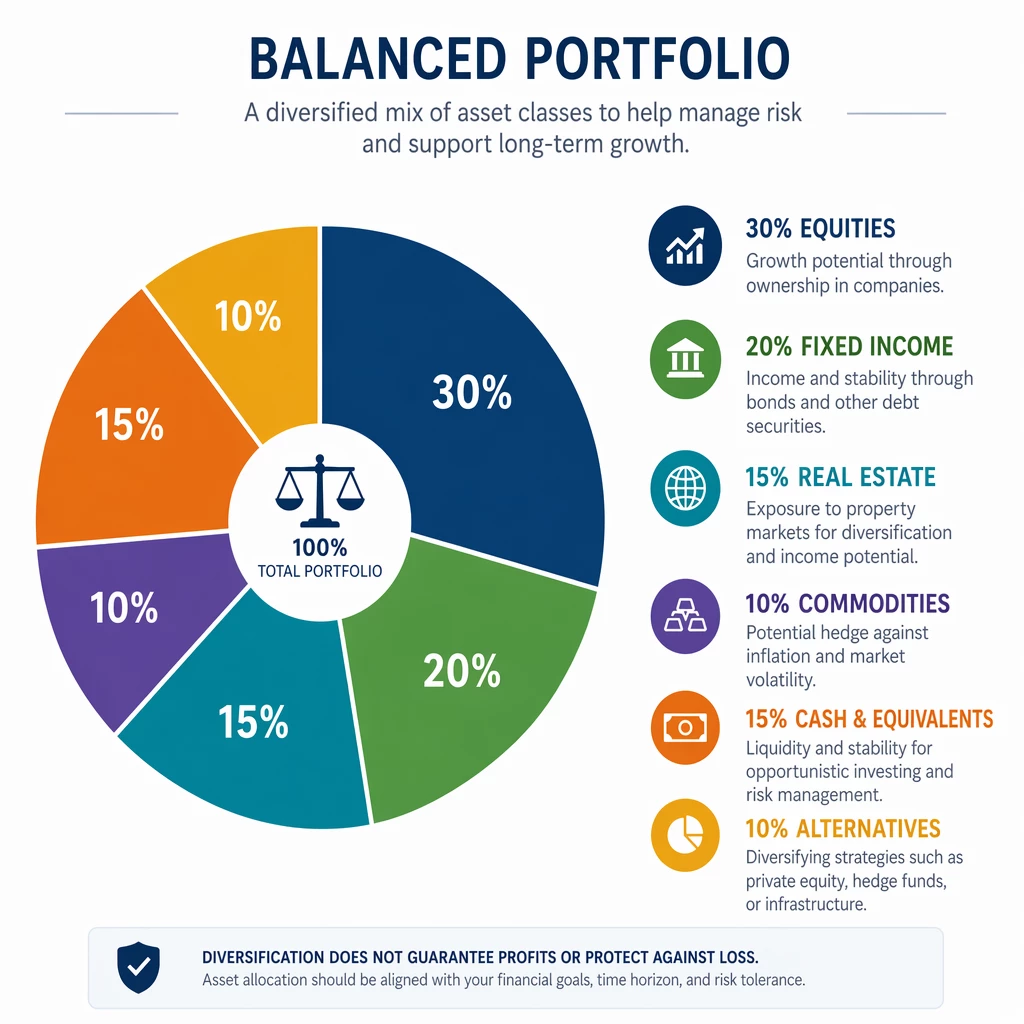
Advanced risk assessment and diversification are the two primary pillars that shield an investor from the inherent volatility seen in the current cryptocurrency market. No single asset should dominate a portfolio to the point where its failure could compromise the total health of the holdings. By spreading exposure across various asset types, including established digital assets, decentralized infrastructure protocols, and perhaps even some traditional liquid assets, investors create a buffer against sector-specific surprises.
Diversification also extends to the time horizon, as allocating funds for both immediate liquidity and long-term storage allows for better management regardless of the market climate. This proactive approach minimizes the impact of unexpected regulatory or macro headwinds, enabling the investor to remain calm while others exit at the worst possible times. As you move forward in your journey, remember that risk management is not a one-time setup but a continuous process of rebalancing and reassessment that evolves alongside the market and your personal goals.
The Core of Modern Portfolio Accounting
Why Bitcoin remains the anchor is rooted in its unique combination of absolute scarcity, high network security, and increasing institutional adoption. As the primary settlement layer, it effectively functions as digital gold within the broader ecosystem of assets. While other chains may offer higher throughput or modular compute capabilities, Bitcoin provides the necessary foundational stability that investors need before they are comfortable taking risks on more volatile prospects.
Throughout every cycle, when fear reaches its peak, capital tends to rotate back into the most established and liquid assets, proving once again that Bitcoin is the safest place for long-term allocation. For those looking to manage assets effectively, recognizing the role of this flagship asset is paramount to avoiding unnecessary losses. It acts as the anchor during storms, providing a reliable point of reference and a stable base for the rest of your portfolio’s composition. Never underestimate the importance of such stability in an otherwise chaotic financial asset class.
Software Solutions for Institutional Stakeholders
Modern portfolio accounting techniques have advanced well beyond manual tracking. Utilizing automated tools that integrate directly with exchange APIs and wallet addresses is now the standard for savvy individuals and institutions alike. These tools make it possible to monitor real-time performance, calculate tax liabilities, and identify risks to one’s diversification strategy instantly. By having an accurate view of your net worth and asset allocation at all times, you can make fast, precise decisions that protect your interests during times of market volatility.
This technological edge is particularly useful when managing assets across multiple platforms or chains, where maintaining oversight can otherwise become a daunting task. As the financial world moves toward greater integration between digital and traditional systems, mastering these accounting techniques is a fundamental skill that will pay dividends throughout your investment career, ensuring you always have a clear, objective view of your financial health, regardless of market conditions.
Ensuring Confidentiality in Digital Asset Tracks
Leveraging ETF flows for institutional gain provides a new level of insight into market demand that was unavailable in previous four-year cycles. By watching the inflows and outflows of spot Bitcoin ETFs, participants can get a real-time signal of how institutional sentiment is shifting and where the market might be heading next. These flows act as a proxy for the total appetite for major digital assets from both corporate and retail sources globally.
When flows are consistently positive, it creates upward pressure on prices, helping to override temporary dips in the local market. For the institutional investor, these flows are critical data points that dictate their broader strategy, as they know that institutional adoption is the key to sustained market growth. Being able to interpret this data correctly gives you an advantage over those who are purely looking at technical charts, as you are seeing the actual movement of money and investor confidence in practice.
Constructing Resilient Cryptocurrency Portfolios

Constructing resilient cryptocurrency portfolios is about more than just picking winners; it is about building a structure that can withstand any amount of volatility. True resilience comes from a strategic mix of assets, each chosen for its ability to solve a specific problem within the broader blockchain ecosystem. This means having exposure to infrastructure, decentralized finance, and store-of-value assets, all while maintaining a liquid reserve to deploy when opportunities arise.
It is easy to be caught up in the hype of altcoins, but a long-term mindset demands a primary focus on quality and durability. As the 2026 horizon approaches, those who have built their portfolios on this foundation of diversification will find themselves in a much better position to handle whatever the, admittedly persistent, cycle throws at them. The key is to remain objective, rely on data rather than emotion, and continuously refine your allocation strategy to ensure it remains aligned with your overall financial objectives and risk tolerance as the industry matures.
Ensuring Confidentiality in Digital Asset Tracks
Assessing risk assessment through asset allocation is essentially the bedrock of financial stability. It involves deciding how much capital to place in high-growth, high-risk assets and how much should be dedicated to safer positions that maintain stability.
When you evaluate your holdings, consider the volatility profiles of each asset. Bitcoin, for instance, serves as a cornerstone when markets are turbulent, while altcoins can provide massive tailwinds when sentiment is bullish. An intelligent allocation strategy recognizes this reality and dynamically adjusts, perhaps by rebalancing periodically to lock in gains or increase exposure during periods of high fear. This process isn’t about avoiding risk entirely—that’s impossible in this market—it’s about having a plan for when things don’t go as expected. By thoughtfully allocating your capital, you ensure that no single downturn can wipe out your gains, keeping your portfolio on a steady path toward long-term growth and capital appreciation.
Diversification Protocols for Long-Term Success
Diversification protocols for long-term success mean that you are not relying on a single chain or technology to perform for your entire portfolio. Since the cryptosphere is vast, it includes various sectors such as layer 2 scalability, decentralized identity, and cross-chain interoperability.
By identifying leading projects in each of these sub-sectors, you naturally hedge against the possibility that one technology fails to gain mass adoption. Think of it as investing in the early days of the internet, where you would have bought everything from email protocols to infrastructure companies rather than just guessing which web browser would win. As long as you keep to your initial thesis and avoid over-trading, diversification eventually turns into a risk-mitigation machine. It requires patience and a high level of research, but for those willing to do the work, it is the most reliable way to maintain long-term growth and avoid the pitfalls that plague the common speculator.
The Connection Between Federal Reserve and Decentralization
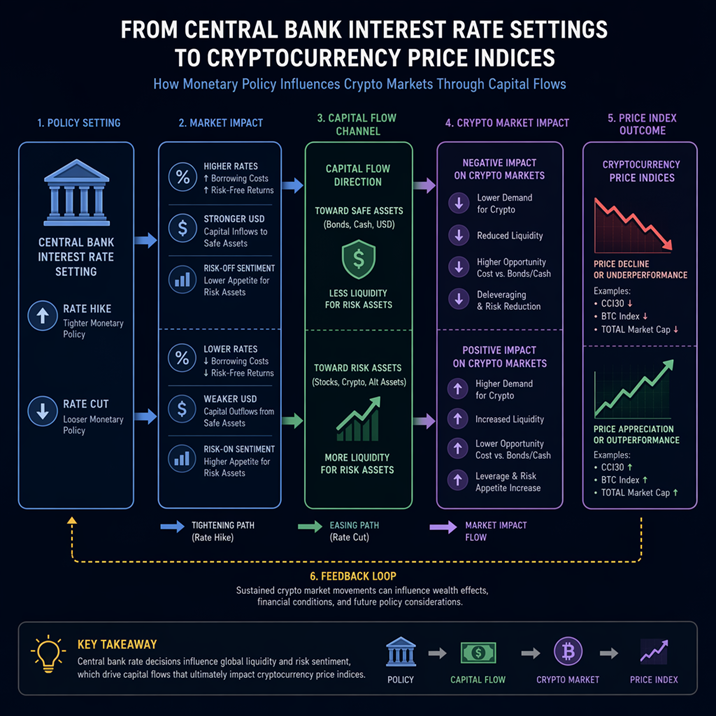
The connection between Federal Reserve and decentralization is ironic but undeniable, given that the movement was born out of the desire for a system that exists outside central bank influence. Yet, the actions of the Federal Reserve directly impact the price of digital assets by changing the availability of capital. When the Fed increases liquidity, it acts as fuel for global asset prices, including decentralized networks. Conversely, restrictive policies suck liquidity out of the market.
This relationship is crucial for investors to understand because it influences the macroeconomic climate that dictates when and how the next crypto bull cycle might begin. While we strive to build a more decentralized future, we are currently still participating in an environment deeply affected by traditional monetary policy settings. By acknowledging this reality, serious participants can better position their portfolios to thrive across different economic cycles, realizing that long-term decentralization is the ultimate goal, even if the current path remains deeply intertwined with the existing financial world.
Analyzing Market Dominance Trends
Analyzing market dominance trends is one of the most effective ways to gauge the health of the entire industry. When Bitcoin’s dominance increases, it usually signals a flight to safety during periods of fear, whereas a decline in dominance often suggests that liquidity is moving into higher-beta assets where investors are searching for growth.
By keeping a log of these fluctuations, participants can anticipate shifts in investor sentiment before they translate into massive volatility. This is particularly relevant when evaluating the impact of new regulations, as some altcoins may be more sensitive to these changes than others. Staying ahead of these trends requires regular monitoring of exchange performance metrics and total sector capitalization. The ability to spot a trend in dominance changes provides a clear advantage when rebalancing or deciding whether to stay in a long position, making it a critical tool in the toolkit of every dedicated cryptocurrency investor.
Comparing ETF Flows vs Global Capital
Comparing ETF flows vs global capital is a modern way to measure the institutional heartbeat of the market. ETFs are largely driven by corporate and fiduciary demand, representing a different type of buyer than the traditional retail trader. When these flows stay strong, it creates an enormous cushion for the price that didn’t exist in previous years. This inflow of professional capital helps stabilize the asset class, making it less susceptible to the wild swings that characterized the earlier stages of its adoption.
By tracking these ETF numbers alongside general global capital inflows, investors can build a comprehensive view of how the demand side of the equation is holding up. This data-heavy approach is far superior to relying on gut feelings, as it provides hard evidence for the long-term thesis. As this demand continues to grow and diversify globally, it will continue to provide the bedrock required for the market to stabilize and grow sustainably.
Executing a Sustainable Price Prediction Plan

Executing a sustainable price prediction plan requires a disciplined approach that eschews the desire for immediate gratification in favor of multi-year goals. The cryptocurrency market, being highly reflexive, often rewards those who look past current price swings to understand the cycle’s larger macroeconomic trends.
Predictions should be based on data—such as tokenomics, institutional trends, and technical support levels—rather than subjective sentiment. By building a plan that accounts for both the potential for growth and the inevitability of temporary pullbacks, investors can remain calm when the markets get rocky. Consistent practice of this discipline will gradually eliminate emotion from the equation, allowing for better-informed entries and exits.
As you aim for the 2026 phase, remember that while you cannot control market conditions, you have full control over your own strategy and your reaction to it, which is the most significant factor in whether or not your investments ultimately succeed during the long journey of holding.
Proven Tactics After a Sharp Market Crash
Proven tactics after a sharp market crash are built on the mindset that volatility is an opportunity disguised as a risk. The primary goal is to remain calm and assess the damage objectively—if the core investment thesis remains intact, then any dip is technically a discount. Experienced investors often use this time to rebalance, liquidating weaker positions to add to their high-conviction holds, such as Bitcoin.
Furthermore, keeping liquidity in the form of stablecoins allows for immediate action when the market presents a golden entry point, rather than waiting for slow bank transfers. It is the ability to act when others are panicking that marks the difference between traders who fold during cycles and those who build generational wealth through it. By keeping a cool head and focusing on fundamentals, you turn the cycle’s unpredictability to your advantage, positioning yourself for significant recovery once the market sentiment inevitably shifts back toward a bullish stance.
Ensuring Confidentiality in Digital Asset Tracks
Recovery analysis for early adopters requires remembering that high-volatility cycles are the norm, not the exception in this asset class. Those who have seen previous cycles know that a recovery rarely happens in a straight line; it is a series of corrections and rallies that slowly build towards a new high. The key is in the analysis of tokenomics and fundamental adoption, which tend to show strength even when the price is struggling.
Early adopters who stay the course through these periods are the ones most likely to capture the explosive growth that marks the middle phase of the market. Staying informed through rigorous analysis and keeping your focus on the long-term goal of the industry—the realization of a truly decentralized financial future—is what powers through the darkest market days. If you can maintain this perspective and look at price drops as necessary phases of a healing market, you become a master of your own investment trajectory.
Refining Diversification During Uncertainty
Refining diversification during uncertainty is the perfect time to reconsider the balance of your portfolio. When volatility is high, it is easy to become over-leveraged on a single asset out of frustration or greed. Taking a step back to re-evaluate whether your portfolio correctly mirrors your risk tolerance can save you from potential regret later. Consider if you have the right mix of long-term store-of-value assets and utility-driven tokens.
A well-refined portfolio doesn’t get rattled by a temporary market dip because it is constructed with multiple sources of growth. By regularly auditing your holdings and pruning assets that no longer conform to your initial investment thesis, you sharpen your focus and reduce your exposure to unnecessary failure. This systematic refinement is not just about protection; it is about creating a lean, effective engine that is ready to perform once the macroeconomic environment becomes friendlier and growth trends return to the dominant market narrative.
Navigating the 2026 Prediction Landscape
Navigating the 2026 prediction landscape is about filtering the massive amount of available data to find the few trends that really matter, such as institutional integration and central bank policy. If we assume the current trajectory of spot Bitcoin ETFs continues, by July 2026 we should see a much more institutionalized, less speculative market. This suggests that the next few years will be about building, and those who patiently accumulate through the noise are likely to see the greatest rewards.
Do not get distracted by the daily price movements that characterize the current, volatile market; instead, look at the big picture of progress and adoption. The tools we develop today, and the networks we solidify, will be the base for that future period of maturity. By keeping your long-term objectives clear and your strategy disciplined, you will not only navigate this landscape but potentially lead as the digital financial era continues its inevitable journey towards mass adoption and stable global functioning.
How Market Analysis Influences Altcoins
How market analysis influences altcoins is crucial because these assets are almost always more volatile than Bitcoin and are highly sensitive to changes in risk appetite. When the general market atmosphere is positive, liquidity flows into these alternatives rapidly, but when fear strikes, they are often the first to experience significant drawdowns. For the investor, this means that your analysis needs to be hyper-targeted: look for projects that have real utility and a strong developer ecosystem that can sustain operations regardless of the price.
Don’t look at social media hype; look at on-chain activity, transaction volume, and the number of active users. If these metrics are trending upwards, the project might be a good candidate for your portfolio even if the current price is depressed by broader market sentiment. By basing your decisions on hard usage data, you lower the risk of holding worthless tokens that have no future beyond their initial marketing push.
Mastering the Future Bitcoin Cycle
Mastering the future Bitcoin cycle requires a deep understanding of its past performances and an awareness of the changing institutional landscape that is altering how it behaves. As global demand increases, the price volatility that once defined the early cycles is expected to decrease, albeit slowly. Mastery means having a strategy for every phase—accumulation during the dips, holding during the consolidation, and preparing to exit or rebalance when the market becomes irrational. It requires discipline, the ability to read macro trends like interest rates, and the foresight to maintain a long-term perspective.
If you can treat Bitcoin not as a lottery ticket but as a foundational, long-term asset, you have already surpassed the majority of market participants. By building your strategy around its cyclical reality, you don’t fight the market; you use its predictable rhythm to build stable, reliable growth. This professional approach to the cycle is what ultimately leads to meaningful success in the digital asset domain.