Bittensor TAO News: Grayscale, Bitcoin, NEAR Protocol highlights how institutional access, network utility, and macroeconomic risk are shaping TAO and AI coins. October market data should be read alongside Bitcoin liquidity, ETF flows, and changing AI spending. Investors can compare independent analysis at crypto market analysis resources while tracking volatility, token emission, and adoption rather than relying on headlines alone.
Editorial market dashboard showing TAO, Bitcoin, Grayscale, and NEAR Protocol price movements across October
Why Bittensor (TAO) and AI Coins Are Dominating Headlines
Why Bittensor (TAO) and AI Coins Are Dominating Headlines comes down to a clear investment narrative: Artificial Intelligence demand is rising while decentralized networks offer alternative infrastructure. Bittensor connects machine-learning models through an open network, and TAO gives participants an economic incentive to provide useful computation or intelligence. Bitcoin remains the market’s liquidity benchmark, so its rallies and corrections often amplify movements in smaller cryptocurrency sectors. Investors should distinguish measurable subnet activity from promotional claims by reviewing emissions, validator participation, developer releases, and real usage.
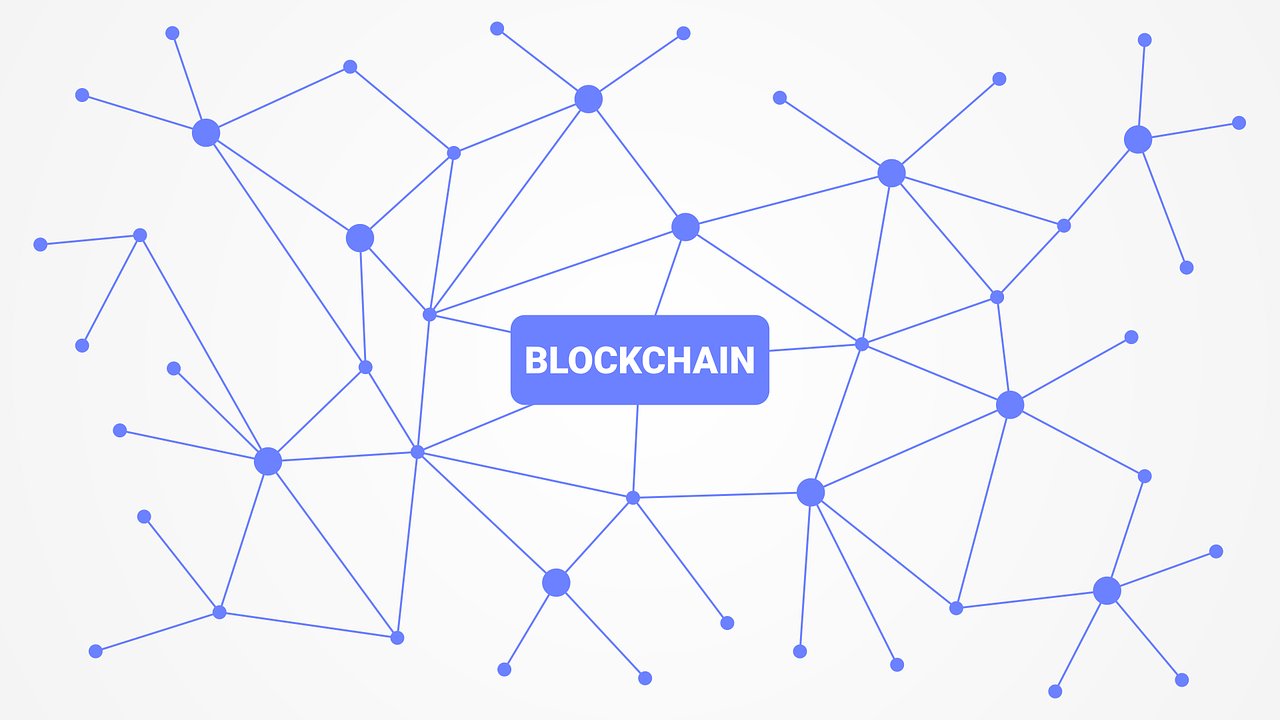
Conceptual illustration of decentralized AI nodes connected through a Bittensor network beside Bitcoin market charts
What the Sudden Selloff Means for Holders of Bittensor (TAO)
What the Sudden Selloff Means for Holders of Bittensor (TAO) is primarily a question of liquidity, valuation, and time horizon. A sharp decline does not automatically invalidate Bittensor’s technology, but it can expose excessive leverage, concentrated wallets, and weak demand for newly issued tokens. Holders should compare TAO’s drawdown with Bitcoin, the Nasdaq Composite, and other AI coins before assigning a network-specific cause. Review circulating supply, token emission, subnet incentives, and exchange depth; then define invalidation levels before adding exposure.
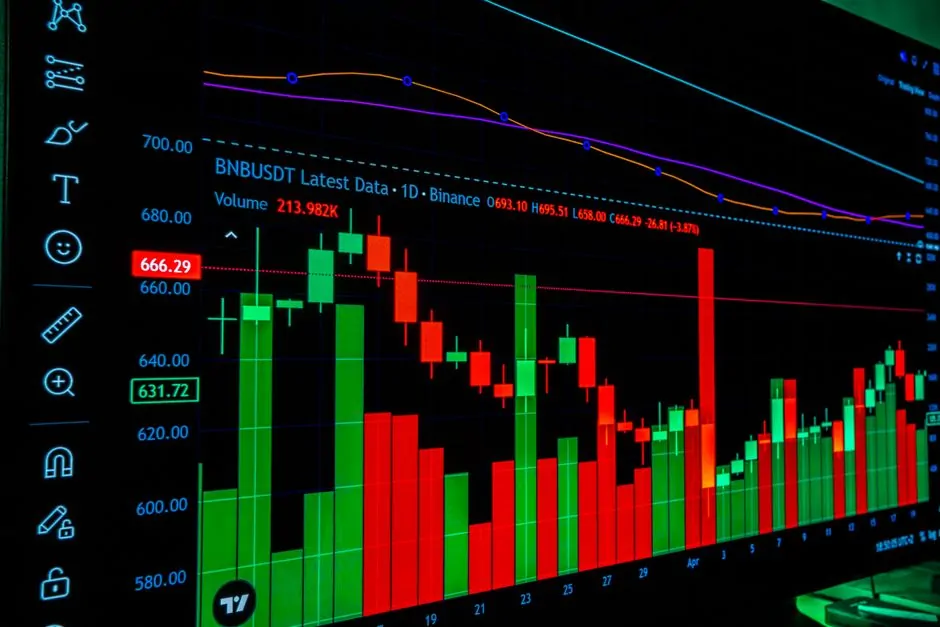
TAO price chart marking a sudden selloff, declining volume, liquidity gaps, and recovery zones
Early warning signs traders spotted before the TAO plunge
Early warning signs traders spotted before the TAO plunge included fading volume, lower highs, widening spreads, and repeated failures near resistance. An Ichimoku breakdown combined with a falling moving average can signal weakening momentum, although neither indicator predicts an outcome alone. Traders should also monitor Bitcoin correlations, open interest, funding rates, and large wallet transfers. A disciplined plan records support, resistance, stop levels, and the evidence required for a rebound.
How liquidity thinned across Bittensor subnet markets
How liquidity thinned across Bittensor subnet markets becomes visible when smaller pools show wider spreads and larger price impact. Subnet participants may withdraw capital during uncertainty, while token emission increases available supply faster than buyers absorb it. Before trading, compare order-book depth, slippage for several position sizes, validator concentration, and recent incentive changes. Using a wallet without checking transaction fees or settlement risk can turn a correct thesis into a poor execution.

Detailed order books and liquidity pools illustrating widening spreads across several Bittensor subnet markets
The 5 Forces Shaping the Broader AI Coins Market This Month
The 5 Forces Shaping the Broader AI Coins Market This Month are Bitcoin liquidity, real AI spending, institutional access, token economics, and regulatory clarity. October sentiment can shift quickly when Bitcoin moves, but long-term demand depends on whether networks deliver useful services. Meta Platforms and NVIDIA demonstrate how corporate spending can support the broader technology narrative without guaranteeing token appreciation. Investors should score each project on revenue or usage, supply schedule, developer activity, custody access, and downside liquidity.

Five-part infographic connecting Bitcoin liquidity, AI spending, institutions, tokenomics, and regulation
How liquidity thinned across Bittensor subnet markets
Institutional money flows into decentralized machine intelligence network tokens remain selective because professional allocators require custody, liquidity, valuation data, and compliance controls. Bitcoin ETFs have established a familiar entry point, while TAO and comparable assets still face smaller markets and limited benchmark coverage. A fund manager assessing Bittensor would likely examine validator economics, subnet performance, token emission, and whether demand comes from users rather than speculation.
Retail sentiment swings that amplify Bittensor volatility
Retail sentiment swings that amplify Bittensor volatility often begin with social-media momentum, dramatic price targets, or simplified comparisons between TAO and Bitcoin. Positive narratives attract leverage, while a single negative catalyst can trigger cascading liquidations. Investors can reduce emotional decisions by using staged entries, fixed maximum exposure, and a written thesis based on subnet activity. Sentiment tools are useful context, not substitutes for volume, liquidity, or fundamental research.

Social sentiment dashboard showing rapidly changing retail discussions and TAO volatility indicators
A Decentralized Machine Intelligence Network Explained in Plain Terms
A Decentralized Machine Intelligence Network Explained in Plain Terms is a marketplace where independent participants provide and evaluate digital intelligence services. Bittensor organizes these services into subnets, with incentives designed to reward useful performance rather than a single company controlling every model. TAO serves as the economic settlement asset, while validators assess contributions and miners provide resources or outputs. The model can encourage experimentation, but users must still evaluate reliability, security, governance, and the sustainability of rewards.

Plain-language network diagram showing miners, validators, subnets, users, and TAO flows
How TAO rewards miners and validators without a central broker
How TAO rewards miners and validators without a central broker depends on protocol rules and competitive evaluation. Participants may mine by supplying useful outputs, validate by measuring quality, and stake to signal economic commitment. A prospective operator should review hardware requirements, registration costs, emissions, validator reputation, and expected net returns rather than using headline yields. Technical users may inspect the Bittensor Python SDK, practice commands with btcli, secure a wallet, stake conservatively, validate results, and mine only after understanding operational risk.
Institutional money flows into decentralized machine intelligence network tokens
Why Bittensor subnets compete rather than cooperate reflects an incentive design in which specialized teams seek rewards for superior contributions. Competition can improve model quality and attract developers, but it may also duplicate infrastructure, encourage short-term optimization, or fragment liquidity. Users should compare each subnet’s task definition, scoring method, emissions, participant concentration, and evidence of external demand. Governance and transparent documentation matter because poorly designed incentives can reward gaming instead of useful intelligence.

Comparative illustration of specialized Bittensor subnets competing across model quality, data, and compute services
Grayscale’s Pivot: Grayscale ETF Moves and Market Position
Grayscale’s Pivot: Grayscale ETF Moves and Market Position matters because regulated investment products can change access, custody, and market visibility. Any proposed exposure to TAO or related AI assets would need to address valuation, liquidity, creation and redemption mechanics, fees, and regulatory approval. Investors should distinguish a filing, a public statement, and an approved product.

Financial news graphic showing Grayscale product filings beside TAO and digital-asset market data
Inside the Grayscale ETF Filing and Its Ripple Effects
Inside the Grayscale ETF Filing and Its Ripple Effects, the key questions concern structure, custody, pricing sources, liquidity, and disclosures. A filing can influence expectations before approval, but it does not guarantee launch or inflows. Traders should read the prospectus, identify permitted holdings, study expense ratios, and compare the product with direct ownership. Ripple effects may include greater analyst coverage, arbitrage activity, and sharper volatility around regulatory decisions.
How liquidity thinned across Bittensor subnet markets
What a Grayscale ETF approval could unlock for AI Coins includes easier brokerage access, standardized reporting, and possible participation from investors restricted from holding tokens directly. The benefits would depend on sustained liquidity and whether institutional demand follows the initial announcement. Approval would not eliminate risks involving token emission, network governance, smart contracts, or valuation. Investors should wait for final terms before estimating inflows or fair value.

Brokerage interface illustrating potential ETF access to diversified AI coin exposure
Fee structures reshaping Grayscale’s competitive edge
Fee structures reshaping Grayscale’s competitive edge could determine whether investors choose a new product over direct custody or competing funds. Compare management fees, trading spreads, creation costs, custody arrangements, tracking quality, and tax treatment. A low headline fee may be offset by weak liquidity or operational expenses. For TAO exposure, investors should also ask whether the fund holds the token directly or uses another structure.

Fee comparison table contrasting direct TAO custody, exchange products, and prospective Grayscale funds
How Grayscale Rebuilt Its Market Position After the Selloff
How Grayscale Rebuilt Its Market Position After the Selloff involves product diversification, clearer disclosures, distribution relationships, and renewed attention to digital commodities. The company’s reputation depends on execution as much as branding. Investors should evaluate assets under management, daily volume, tracking difference, fee competitiveness, and redemption behavior. A recovery in Bitcoin can improve sentiment, but it does not prove that every AI-oriented product will attract durable demand.
Grayscale’s Bitcoin Doubt strategy dissected
Grayscale’s Bitcoin Doubt strategy dissected requires separating cautious scenario analysis from a bearish prediction. Bitcoin remains the dominant liquidity reference, yet portfolio managers may question concentration, volatility, and regulatory dependence. A balanced framework models Bitcoin strength, sideways conditions, and a deep correction before estimating how TAO could respond. Investors should avoid treating a company’s commentary as individualized advice and should verify assumptions against current filings and market data.

Scenario matrix comparing Bitcoin strength, stagnation, correction, and possible TAO responses
Institutional money flows into decentralized machine intelligence network tokens
Why the Grayscale crypto newsletter is watched so closely is that institutional readers use recurring research to frame narratives, risks, and sector rotation. Its influence can grow when commentary reaches investors who lack time to inspect every subnet or token schedule. Readers should compare claims with primary documents, on-chain data, and independent valuation work. For broader media coverage and updates, digital asset news and analysis can provide an additional perspective without replacing due diligence.
The 5 Forces Shaping the Broader AI Coins Market This Month
Should Investors Trust the Grayscale Roadmap for AI Exposure? Trust should be earned through transparent holdings, methodology, fees, custody, and risk controls rather than inferred from a prominent name. Investors should identify what proportion of exposure reaches TAO, how rebalancing works, and whether the product can exit illiquid positions efficiently. A roadmap is useful for planning, but only executed filings and operational results demonstrate delivery.
Institutional money flows into decentralized machine intelligence network tokens
The Grayscale roadmap for diversified AI Coins baskets could reduce single-token concentration by combining infrastructure, compute, data, and application-related assets. Diversification, however, may also dilute exposure to the strongest network and introduce correlated risk during a sector-wide selloff. Investors should inspect weighting caps, rebalancing dates, inclusion rules, liquidity screens, and index methodology before judging the basket.

Diversified portfolio wheel showing AI infrastructure, compute, data, applications, and TAO allocation
Retail sentiment swings that amplify Bittensor volatility
Red flags analysts see in Grayscale’s Bittensor plans include unclear valuation methods, thin trading markets, concentrated ownership, aggressive assumptions about subnet growth, and insufficient disclosure of operational risks. Analysts should also question whether projected demand comes from paying users or incentive-seeking participants. A credible plan explains custody, pricing, liquidity management, emissions, governance, and exit procedures in plain language.

Risk heatmap highlighting liquidity, valuation, concentration, emissions, governance, and custody concerns
Bittensor tao news: Bitcoin AI, Bitcoin Doubt and the Calacanis Take
Bitcoin AI, Bitcoin Doubt and the Calacanis Take captures a debate between established monetary networks and ambitious AI infrastructure projects. Bitcoin offers deep liquidity and a widely understood scarcity narrative, while TAO emphasizes participation in decentralized intelligence markets. Comparing them requires different metrics: security and monetary credibility for Bitcoin, and subnet utility, developer traction, and incentive sustainability for Bittensor.
Jason Calacanis on the AI Coin Selloff: Bold Call or Noise?
Jason Calacanis framed the AI coin selloff as a moment of reckoning rather than a brief wobble, arguing that projects trading on narrative alone deserve to be repriced. His take lands as TAO and peers like NEAR Protocol slide alongside a softer Nasdaq Composite, with Bitcoin’s own hesitation amplifying the risk-off mood across digital commodities. The bull case for Bittensor never rested on a single quarter: an open network of subnets, machine-learning models competing for token emission, and a genuine market mechanism linking subnet incentives to useful compute. But Calacanis is right that token emission without demand is just dilution, and the selloff has separated projects with working infrastructure from those with only a whitepaper. For builders, the Bittensor Python SDK, btcli, and the ability to stake, validate, and mine remain the concrete layer beneath the noise, while traders watch Ichimoku clouds and moving averages for a support test or rebound. Whether his call proves bold or simply loud depends on whether AI spending by Anthropic, Meta Platforms, and NVIDIA eventually flows into decentralized compute rails rather than staying inside closed labs.
Calacanis defends AI Coins despite the brutal drawdown
Calacanis defends AI Coins despite the brutal drawdown by emphasizing long-term interest in Artificial Intelligence and the possibility that infrastructure winners emerge after speculative excess is removed. That argument is not a timing signal. Investors should separate sector conviction from token selection, examine balance-sheet and network evidence, and size positions so a prolonged decline remains survivable.

Podcast studio scene with market charts and AI infrastructure themes during a major drawdown
Institutional money flows into decentralized machine intelligence network tokens
Jason Calacanis warns of froth in Bitcoin AI tokens by highlighting the gap between compelling narratives and verified adoption. His caution is useful because rising AI spending does not automatically create demand for every token. Investors should ask whether a project has paying customers, defensible technology, transparent emissions, and credible governance before accepting a bullish story.
The 5 Forces Shaping the Broader AI Coins Market This Month
The Bitcoin Doubt Debate: Is AI the Real Hedge? should be framed as a portfolio-construction question, not a slogan. Bitcoin may hedge monetary or currency concerns for some investors, whereas AI assets represent exposure to technology adoption and execution risk. TAO can diversify a portfolio only if its return drivers differ meaningfully from Bitcoin and broad technology equities. Correlation should be measured across stress periods, not assumed.
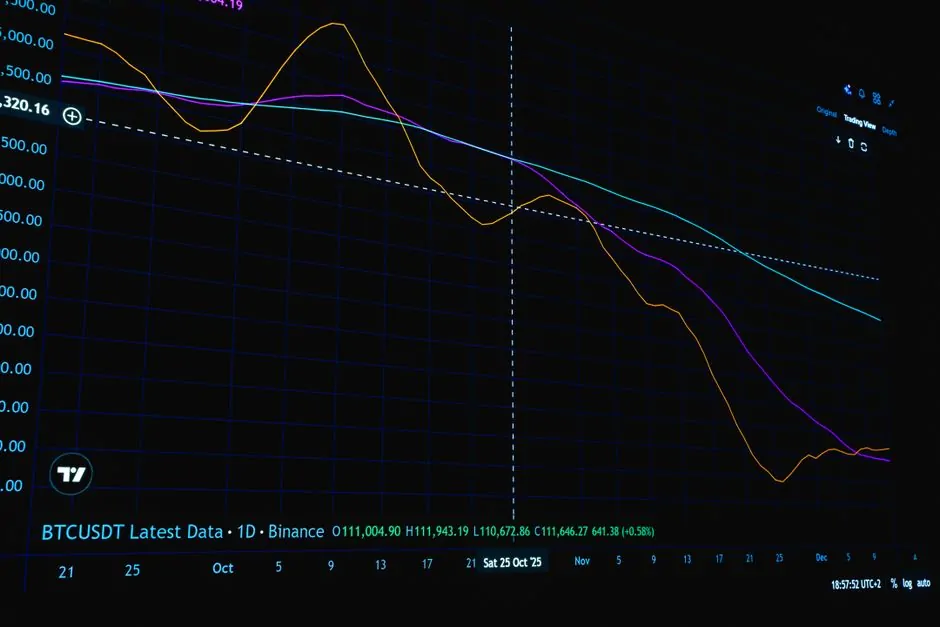
Portfolio correlation chart comparing Bitcoin, TAO, technology equities, and AI-related assets
Institutional money flows into decentralized machine intelligence network tokens
Why some investors stay in Bitcoin while eyeing TAO is explained by different maturity levels and risk profiles. Bitcoin has deeper markets, broader custody support, and established derivatives, while TAO offers more direct exposure to decentralized machine intelligence. A barbell approach may combine a core allocation with a smaller exploratory position, subject to liquidity limits, rebalancing rules, and documented loss tolerance.

Portfolio allocation graphic showing a Bitcoin core and smaller, risk-controlled TAO position
Retail sentiment swings that amplify Bittensor volatility

Bitcoin AI narratives that compete with Bittensor’s roadmap include decentralized compute, tokenized data, AI agents, and applications built around Bitcoin settlement. Competition can attract developers and capital, but it also makes differentiation essential. Bittensor must demonstrate that subnet incentives produce durable quality, while rival ecosystems must show more than marketing partnerships. Compare users, developer releases, throughput, fees, and retention.
2 Lessons From Calacanis on Surviving an AI Coins Selloff
2 Lessons From Calacanis on Surviving an AI Coins Selloff are to avoid leverage and distinguish a promising technology from an investable price. Investors can preserve flexibility by holding cash reserves, setting maximum position sizes, and scaling entries rather than attempting to call the bottom. They should also revisit the thesis after material changes in emissions, governance, or user demand.
Practical investor checklist showing leverage limits, position sizing, cash reserves, and thesis review
Retail sentiment swings that amplify Bittensor volatility
How Calacanis reads panic selling in decentralized machine intelligence network tokens emphasizes psychology, liquidity, and narrative reversal. Panic can create forced selling even when network development continues, but it can also reveal that prior demand was mostly speculative. Track liquidation data, exchange balances, subnet activity, developer commits, and validator participation. A recovery is more credible when usage and liquidity improve together.

Panic-selling visualization combining liquidation cascades, exchange balances, subnet activity, and developer commits
Jason Calacanis on the next TAO cycle
Jason Calacanis on the next TAO cycle is best treated as a hypothesis requiring evidence. A healthier cycle would likely show improving liquidity, stable or productive subnet incentives, broader developer participation, and demand that persists after rewards change. Traders can create a monitoring sheet with weekly price, volume, emissions, active validators, and major governance decisions, then update it consistently rather than reacting to isolated commentary.
NEAR Protocol, 401(k) Money and Institutional AI Spending
NEAR Protocol, 401(k) Money and Institutional AI Spending connects blockchain infrastructure with changing access to retirement capital and enterprise computing demand. NEAR Protocol and Bittensor address different technical priorities, so comparisons should focus on architecture, developer tools, interoperability, and actual usage. Retirement exposure depends on plan rules, fiduciary review, custody, valuation, and participant protections.

Institutional conference graphic connecting NEAR Protocol, Bittensor, retirement accounts, and enterprise AI spending
The 5 Forces Shaping the Broader AI Coins Market This Month
NEAR Protocol’s Quiet Push Into Enterprise AI can be assessed through developer activity, identity tools, transaction design, and partnerships rather than headlines alone. Its role may complement AI applications without replicating Bittensor’s subnet incentive model. Investors should identify the target customer, the workload being improved, and the mechanism that converts usage into durable network demand.

Enterprise architecture diagram showing NEAR Protocol tools supporting AI applications and blockchain services
Institutional money flows into decentralized machine intelligence network tokens
How NEAR Protocol differs from Bittensor on the roadmap is visible in their core priorities. NEAR generally emphasizes scalable application infrastructure and developer experience, while Bittensor focuses on incentivized machine intelligence subnets. Both ecosystems require active users, reliable tooling, sustainable economics, and governance that can adapt without undermining confidence.
Retail sentiment swings that amplify Bittensor volatility
Cross-chain plays linking NEAR Protocol to TAO subnets could improve composability, but bridges introduce smart-contract, oracle, liquidity, and governance risks. Teams should publish audits, emergency procedures, validator assumptions, and transaction limits. Users should verify contract addresses, test small transfers, and avoid assuming that interoperability automatically creates economic value for either network.

Cross-chain bridge diagram linking NEAR Protocol applications with Bittensor TAO subnet services
401(k) Accounts and Crypto Exposure: What Fiduciaries Now Allow
401(k) Accounts and Crypto Exposure: What Fiduciaries Now Allow depends on plan documents, regulatory interpretation, custody capability, and fiduciary evaluation. Some arrangements may provide indirect exposure through funds, while others exclude digital assets entirely. Participants should review fees, liquidity restrictions, valuation procedures, tax treatment, and withdrawal rules before considering any allocation.

Retirement-plan document review showing fiduciary controls, fund access, fees, and digital-asset exposure options
Retail sentiment swings that amplify Bittensor volatility
The 401(k) crypto allocation debate hitting AI Coins funds centers on volatility, suitability, disclosure, and participant protection. A fund containing TAO or other AI assets would need transparent methodology, reliable valuation, liquidity controls, and clear risk communication. Workers should not infer suitability from availability; they should compare retirement goals, time horizon, emergency savings, and total portfolio concentration.
How a 401(k) plan could one day hold Grayscale ETF products
How a 401(k) plan could one day hold Grayscale ETF products would depend on platform availability, employer selection, fund fees, custody, and fiduciary approval. An ETF wrapper may simplify administration, but it does not remove market or tracking risk. Participants should read the investment menu and prospectus, understand limits on trading, and confirm how valuations appear in account statements.
Anthropic, and NVIDIA AI Spending Signal Long-Term Demand
Anthropic, and NVIDIA AI Spending Signal Long-Term Demand because model development requires substantial compute, networking, and specialized hardware. NVIDIA’s accelerator demand and Anthropic’s infrastructure needs show that enterprise AI investment is becoming a major technology theme, but token markets may not capture that value automatically. Investors should connect spending to actual decentralized workloads, revenue pathways, and protocol usage.

Data-center illustration showing AI accelerators, cooling systems, network infrastructure, and decentralized compute connections
Why Anthropic’s compute budget matters for Bittensor
Why Anthropic’s compute budget matters for Bittensor is indirect but important: it demonstrates the scale and cost of intelligence production. Bittensor may benefit if decentralized providers deliver specialized services efficiently, yet it must prove quality, reliability, privacy, and competitive pricing. Track subnet performance, inference demand, hardware economics, and reward distribution instead of assuming that enterprise AI growth guarantees TAO appreciation.
How TAO rewards miners and validators without a central broker
Anthropic partnerships that could feed the decentralized machine intelligence network would require explicit technical integration, compatible privacy standards, and commercial incentives. A public partnership announcement is not evidence of production usage. Investors should look for deployed workloads, measurable throughput, service-level results, and repeat demand. This approach prevents broad AI excitement from being mistaken for Bittensor adoption.
Roadmap Watch: What’s Next for Bittensor and the Latest News
Roadmap Watch: What’s Next for Bittensor and the Latest News should focus on deliverables that can be independently checked. Traders can monitor protocol releases, subnet launches, governance proposals, emission changes, developer tools, and validator participation. The most useful update is not the loudest announcement but the one that changes network capability, user demand, or economic sustainability.

Bittensor roadmap timeline showing protocol releases, subnet launches, governance votes, and emission milestones
The Bittensor Roadmap: 3 Milestones Traders Are Watching
The Bittensor Roadmap: 3 Milestones Traders Are Watching include improved subnet quality measurement, stronger developer tooling, and governance changes that support sustainable growth. Each milestone should be evaluated through delivery dates, adoption data, security reviews, and effects on token supply. A roadmap can guide research, but only completed upgrades and measurable usage should influence valuation assumptions.
Retail sentiment swings that amplify Bittensor volatility
Subnet upgrades that could revive TAO demand would need to improve service quality, user experience, or provider economics. Upgrades may attract capital temporarily, but durable demand requires customers who value the output beyond token rewards. Monitor active users, task completion, validator agreement, emissions, and retention after incentives change.

Subnet upgrade dashboard showing performance scores, active users, emissions, and validator agreement
Governance votes shaping Bittensor’s next hard fork
Governance votes shaping Bittensor’s next hard fork deserve careful review because parameter changes can affect miners, validators, holders, and subnet operators simultaneously. Participants should read proposal text, technical specifications, voting power distribution, implementation tests, and rollback plans. Price reactions may occur before the long-term consequences become measurable.
Where to Follow the Latest News and Related News on AI Coins
Where to Follow the Latest News and Related News on AI Coins requires a disciplined information process. Use official repositories, governance forums, exchange notices, network metrics, and reputable independent reporting. Separate confirmed releases from rumors, record publication dates, and compare claims with primary evidence. A useful research routine tracks Bitcoin, TAO, subnet activity, regulation, and enterprise AI spending together.
The crypto newsletter worth reading for Bittensor daily updates
The crypto newsletter worth reading for Bittensor daily updates should explain catalysts, uncertainty, and data sources rather than merely repeat price targets. Readers can evaluate publication quality by checking corrections, author expertise, links to primary documents, and separation between reporting and promotion. Maintain a watchlist of TAO price, emissions, subnet launches, governance, and liquidity so daily updates become actionable rather than distracting.

Curated newsletter layout featuring Bittensor metrics, governance updates, subnet releases, and market charts
How TAO rewards miners and validators without a central broker
Related News threads covering NEAR Protocol and Grayscale can help investors compare infrastructure development with financial-product access. Read the original filing, proposal, or technical announcement before trusting a summarized thread. For additional commentary and current updates, technology and crypto news coverage can supplement official sources, while readers should verify material claims independently.
A Decentralized Machine Intelligence Network Explained in Plain Terms
A Confident TAO Outlook: Balancing Doubt and Opportunity means acknowledging both technological promise and market fragility. TAO may benefit from decentralized intelligence demand, but valuation depends on real subnet usage, sustainable incentives, liquidity, governance, and competitive execution. Investors should define what evidence would strengthen or weaken their thesis before taking a position.
How TAO rewards miners and validators without a central broker
Positioning TAO beyond the Selloff and into the next cycle begins with survival, not prediction. Use a position size compatible with severe volatility, avoid excessive leverage, and stage purchases only when liquidity and technical structure improve. Review Bitcoin conditions, emissions, validator participation, subnet demand, and governance developments monthly. A recovery supported by usage is more meaningful than a brief speculative rebound.

Long-term TAO strategy chart showing staged entries, volatility bands, network activity, and cycle recovery
Why Bittensor subnets compete rather than cooperate
Essential risk checks before buying Bittensor after a Selloff include verifying exchange liquidity, wallet security, token emission, subnet concentration, validator incentives, governance exposure, and tax implications. Confirm the investment thesis with current data rather than relying on older October or September narratives. Keep emergency funds separate, set a maximum loss, and never treat a falling price as proof of value. For reflective supporting material unrelated to financial advice, faith and personal reflection resources may support a broader decision-making routine, while practical lifestyle and growth resources can provide additional non-market perspective.